
Why Is My House Having Flickering Lights?
Reviewed 2026-07-30 · How we research
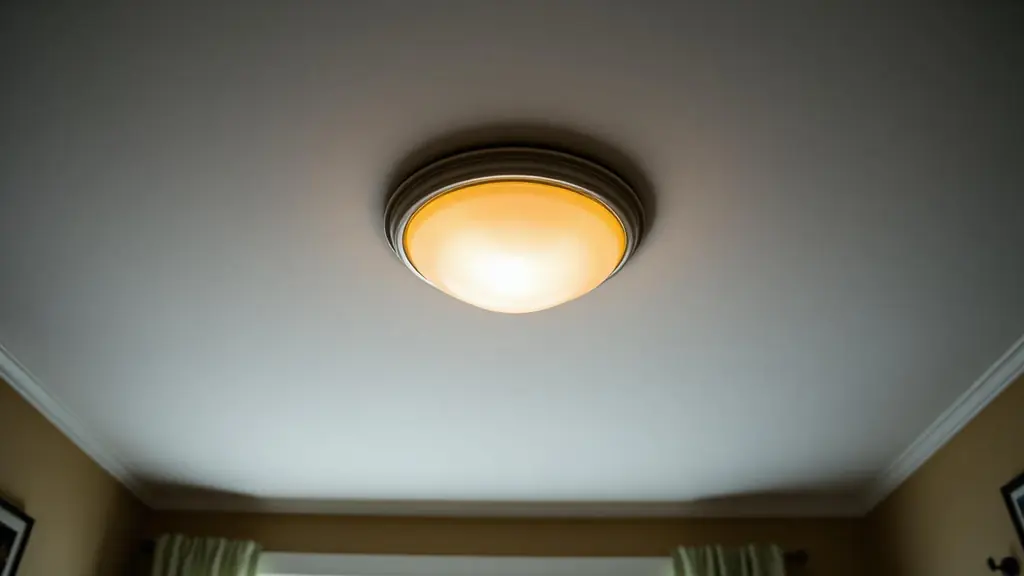
Quick answer: flickering with the lights
Most flickering is an LED bulb fighting an incompatible dimmer or a loose bulb — annoying, not dangerous. Flicker that affects the whole house, or that dips when the AC or dryer starts, points to a loose neutral or an overloaded circuit. Warm outlets, buzzing or burning smells mean stop and call an electrician.
Urgent — act now
One dimmable bulb flickering is a compatibility annoyance. Whole-house flicker, flicker that tracks large appliances, burning smells, warm outlets or scorch marks are an arcing hazard and an immediate call to an electrician.
Flickering lights safety warning: electrical danger signs
Stop and call an electrician or 911 now if you smell burning plastic or an acrid electrical odor, see scorch marks or discoloration at an outlet or panel, feel a warm or hot switch plate or receptacle, hear buzzing or sizzling from the panel, or if lights across the whole house brighten and dim together. Those are signs of arcing or a failed neutral connection. Electrical failures cause roughly 46,700 home fires a year per NFPA data. Do not open the service panel yourself, and if you see smoke or smell burning, get out and call 911.
Split flickering into two buckets before anything else: one fixture, or many. A single flickering fixture is almost always a bulb, socket or dimmer issue you can solve for $20. Flicker across multiple circuits is a supply-side problem and belongs to a licensed electrician.
The distinction matters because one bucket is a Saturday errand and the other is a fire risk.
Most likely causes of flickering with the lights, ranked
1. LED bulb and dimmer incompatibility
Most common by a wide margin since the LED transition
Legacy dimmers were built for incandescent loads of 40–600 watts. An LED draws 6–10 watts, which is below the dimmer's minimum load, so the triac misfires and the light strobes or ghosts. The fix is a CL-rated (LED/CFL-compatible) dimmer and bulbs listed as dimmable, ideally from the manufacturer's compatibility chart.
10-minute self-test: Swap the LED for an old incandescent or halogen of the same base. If the flicker stops, it is the dimmer, not your wiring. Also check whether the flicker happens only at low dim levels — classic minimum-load symptom.
2. A loose bulb, worn socket contact or loose wire at a device
Very common and the one that can escalate
The brass tab in a socket flattens over time and stops making firm contact. Backstabbed receptacles — where the wire is pushed into a spring clip instead of wrapped under a screw — loosen with thermal cycling. Loose connections arc, arcing generates heat, and heat starts fires. This is why intermittent flicker at one outlet or fixture deserves attention rather than tolerance.
10-minute self-test: With power off at the breaker, gently pry the socket tab up 2 mm and reseat the bulb. Then, with the fixture on, wiggle the switch gently — if the light responds to touch, the connection is loose. Feel the cover plate: any warmth is a red flag and a stop-work condition.
3. Large appliance inrush current on a shared or undersized circuit
Common and usually benign
An air conditioner compressor, well pump, dryer or microwave draws several times its running current for the first fraction of a second. That momentary voltage sag dims the lights. A brief dip when the AC starts is normal. A deep, sustained dim, or dimming that has gotten noticeably worse, indicates undersized service or a failing connection.
10-minute self-test: Watch a lamp while someone starts the AC or the microwave. A quick blink that recovers immediately is inrush. A dim that lasts more than a second, or lights that visibly brighten when the appliance shuts off, needs an electrician.
4. A loose or failed neutral — service or panel level
Less common and genuinely dangerous
US homes are fed 240V split into two 120V legs sharing a neutral. If that neutral connection degrades at the meter, panel or utility drop, the legs become unbalanced: lights on one side of the house brighten while the other side dims, and appliances can see well over 120V. This destroys electronics and starts fires. Symptoms include flickering across the whole house that varies as loads change.
10-minute self-test: Observe whether lights in one part of the house brighten at the same instant others dim. That signature is a loose neutral. Do not investigate the panel yourself — call the utility and an electrician the same day.
5. Aluminum branch wiring or federal-era panel problems
Housing-stock specific — homes built 1965–1973
Solid aluminum branch wiring expands and contracts more than copper and oxidizes at terminations, loosening connections over time. The CPSC has found homes with aluminum branch circuits are substantially more likely to have a connection reach fire hazard conditions than homes with copper. Certain vintage panels are also widely regarded in the inspection trade as unreliable.
10-minute self-test: Look at the cable jacket in the panel or at an outlet with the breaker off: aluminum wiring is typically marked AL or ALUMINUM on the sheath. If your house was built between 1965 and 1973, check for it before you do anything else.
What it costs to fix flickering with the lights
| Cause / repair | DIY cost | Professional cost |
|---|---|---|
| Dimmable LED bulb replacement | $4–$15 each | n/a |
| CL-rated LED-compatible dimmer | $20–$40 | $150–$300 |
| Replacing a worn receptacle or switch | $3–$10 part | $120–$250 |
| Tightening panel connections (electrician) | n/a | $150–$350 |
| Whole-home electrical inspection | n/a | $200–$500 |
| Dedicated circuit for a large appliance | n/a | $300–$900 |
| Repairing a loose service neutral | n/a | $300–$1,200 |
| COPALUM or AlumiConn aluminum wiring remediation | n/a | $1,500–$6,000 |
| Panel replacement / service upgrade to 200A | n/a | $2,000–$6,000 |
DIY fixes for flickering with the lights
Tighten the bulb, then swap it
Thirty seconds and free. A surprising share of single-fixture flicker is a bulb that backed off a quarter turn or a cheap LED driver that failed early.
Match dimmer to load
Buy a CL-rated dimmer and check the bulb manufacturer's compatibility list. Also respect the dimmer's minimum load: four 8-watt LEDs on a dimmer with a 20-watt minimum will strobe forever.
Stop using backstabbed receptacles
When replacing a device, wrap the conductor clockwise under the screw terminal and torque it properly. Screw terminals hold far better than push-in clips through years of heating and cooling.
Spread the load
Move the microwave, space heater or window AC off a circuit shared with lighting. A 15A circuit supplies 1,440 watts continuous; a space heater alone takes 1,500.
Feel every plate in the house once
Walk the house and touch each switch and outlet cover. Any warmth means stop and call an electrician. This is a five-minute audit that finds fire hazards.
Ask about AFCI protection
Arc-fault circuit interrupters detect the signature of arcing and cut power. Modern codes require them in most living areas. Retrofitting AFCI breakers on bedroom circuits in an older home is a genuine safety upgrade.
Where homeowners waste money on flickering with the lights
- Replacing every light fixture in the house to chase a flicker caused by one incompatible dimmer.
- Whole-house surge protectors installed as a 'fix' for flickering. Surge protection is worthwhile, but it does nothing about a loose neutral.
- Cheap non-dimmable LEDs on a dimmer circuit. They will always flicker and the packaging says so.
- Ignoring a warm outlet because the light 'only flickers sometimes.' Intermittent arcing is how electrical fires start.
When to call a licensed electrician about flickering with the lights
Call an electrician the same day for whole-house flicker, warm devices, buzzing at the panel, burning smells, or lights that brighten in one area as they dim in another.
Call the utility first if the flicker affects the whole house and you can see the service drop swaying or damaged — the failure may be on their side of the meter, and their response is free.
If you have aluminum branch wiring, ask specifically about CPSC-recognized repair methods: COPALUM crimps or AlumiConn connectors. Simply replacing devices with CO/ALR-rated ones is a partial measure.
Why Is My House Having Flickering Lights — questions homeowners ask
Is flickering lights a fire hazard?
It can be. Flicker caused by a loose connection means an arc, and arcing generates intense localized heat. NFPA attributes roughly 46,700 home structure fires a year to electrical failure or malfunction. Flicker limited to one dimmable LED fixture is a compatibility issue, not a hazard. Warm plates, burning smells, buzzing or whole-house flicker are hazards.
Why do my lights dim when the AC turns on?
Compressor motors draw a large inrush current for a fraction of a second at startup, briefly sagging the voltage. A quick blink that instantly recovers is normal. A deep dim that lasts a second or more, or one that has gotten worse over months, suggests undersized service, a failing connection, or a compressor drawing locked-rotor current — have both the electrical service and the AC checked.
Why do my LED lights flicker when dimmed low?
Most LED lamps draw well under the minimum load a legacy triac dimmer needs to fire reliably, so the dimmer misfires near the bottom of its range. Install a CL-rated dimmer designed for LED loads, and verify your bulbs appear on the dimmer manufacturer's compatibility chart. Adding one incandescent bulb to the circuit is a crude but effective test.
What is a loose neutral and why is it dangerous?
Your service supplies two 120V legs that share a return neutral. If that neutral connection degrades, the legs become unbalanced and voltage on one side can climb far above 120V while the other drops. Appliances fail, and the loose connection itself arcs. The classic sign is lights brightening in one part of the house while dimming in another. Call an electrician and the utility immediately.
Problems related to flickering with the lights
- Why Is My House Water Pressure Low?The first question is whether one fixture is weak or the whole house is weak.Plumbing, Drains & Sewer Get it inspected
- Why Is My House So Hot?Often shows up alongside this problem. A hot house is usually attic heat and window solar gain overwhelming an air conditioner that cannot keep up.Heating, Cooling & Air Get it inspected
- Why Is My House Smelling Like Gas?Often shows up alongside this problem. Natural gas and propane are odorless; utilities add mercaptan so it smells like rotten eggs or sulfur.Smells & Odors Urgent — act now
- Why Is My House Making Creaking Noises at Night?Houses creak at night because framing cools and contracts after sunset.Foundation & Structure Low urgency — monitor
Sources used for flickering with the lights
- NFPA — Home Electrical Fires research report
- US CPSC — aluminum branch circuit wiring hazard and repair methods
- National Electrical Code (NFPA 70) — AFCI requirements
- InterNACHI — electrical inspection standards of practice