
Why Is My House Smelling Like Sewer in the Bathroom?
Reviewed 2026-07-30 · How we research
Quick answer: a sewer in the bathroom smell
A sewer smell in one bathroom means the water seal between you and the drain system has failed. In order of likelihood: a dried-out P-trap in a rarely used fixture, a failed toilet wax ring, biofilm in the shower or sink drain, or a blocked plumbing vent stack. Start by running every fixture in that room for 30 seconds.
Get it inspected
A sewer odor confined to one bathroom is almost always a seal or trap problem, not a broken main. It is unpleasant rather than urgent — but it is an open path to the drain system, so fix it within days.
Bathrooms are the most common room for sewer odor because they hold the most drain openings — toilet, sink, tub or shower, and often a floor drain — and each one depends on a small plug of standing water to block gas from the drain system.
The useful diagnostic detail is that the smell is limited to one room. That rules out a broken main line or a septic failure, which would smell throughout the house or outdoors, and points at a single failed seal you can usually find in ten minutes.
Warning signs of a sewer in the bathroom smell
- The odor is strongest at floor level near the toilet base
- It appears right after a flush, along with a gurgle from the sink or tub
- It is worst in a guest bathroom nobody uses
- It arrives during or just after a hot shower
- The toilet rocks slightly when you shift your weight on the seat
Most likely causes of a sewer in the bathroom smell, ranked
1. A dried-out P-trap in a rarely used fixture
Most common — the cause in roughly half of single-bathroom odor cases
Every fixture has a U-shaped trap holding about a cup of water. In a guest bath, a spare shower or a bathroom floor drain, that water evaporates in about three to four weeks — faster in dry winter air with the heat running. Once it is gone, the drain is an open pipe to the sewer.
10-minute self-test: Run every fixture in the room for 30 seconds, including the shower and the floor drain, then close the door for two hours. If the odor is gone when you come back, a dry trap was the cause.
If that test is negative: If the bathroom is used daily and the smell persists after running water, the traps are full and the problem is elsewhere.
2. A failed toilet wax ring or loose closet flange
Very common — the usual answer when the trap test fails
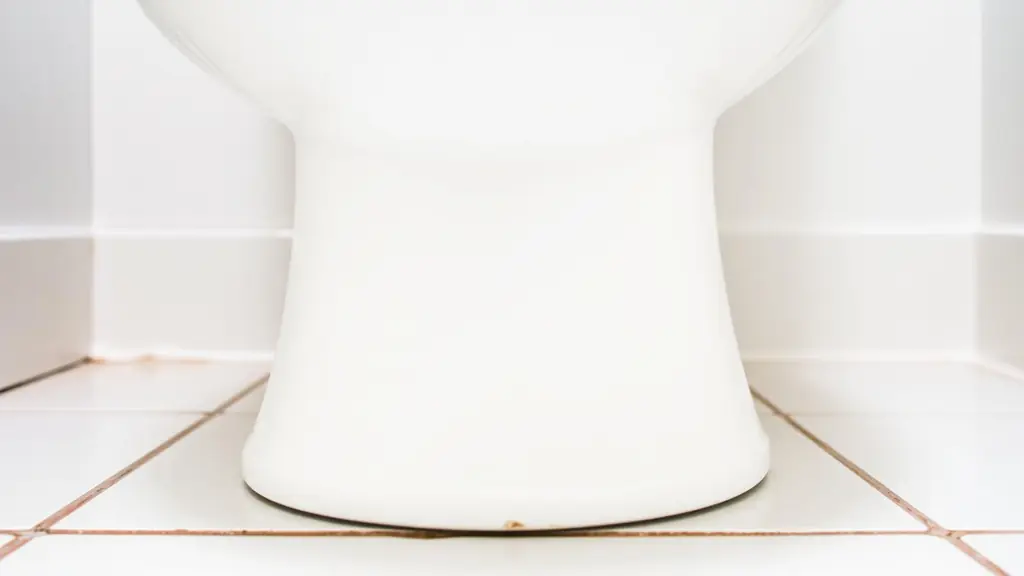
The toilet sits on a wax ring compressed against the closet flange. Rocking, an over-tightened bolt, or age flattens the wax and opens a gap, letting gas escape at the floor line. A flange sitting below finished tile is a chronic version of the same failure and the reason a new wax ring sometimes does not hold.
10-minute self-test: Kneel and smell at the base of the toilet, then at the tank. Floor-level odor points at the ring. Straddle the bowl and shift your weight — any rocking movement means the seal is broken. Look for discolored or lifting flooring around the base.
3. Biofilm in the shower, tub or sink drain
Common — and the one people mistake for a plumbing failure
Hair, soap scum and skin cells feed a bacterial mat inside the first six inches of drain pipe and under the pop-up stopper. Sulfate-reducing bacteria in that mat produce hydrogen sulfide, which smells identical to sewer gas. The giveaway is that the smell blooms with warm water.
10-minute self-test: Pull the sink stopper or shower strainer and wipe the underside and the pipe wall with a paper towel. Black or gray slime that smells sulfurous is your source. A cold-water rinse that briefly kills the odor confirms it.
4. A blocked or restricted plumbing vent stack
Less common but the cause when a flush triggers the smell
The vent through the roof lets air into the drain system so a flush does not siphon water out of nearby traps. Leaves, a bird nest or a winter frost cap block it. Then every flush pulls the sink or tub trap partly empty and you smell gas seconds later, often with an audible gurgle.
10-minute self-test: Flush the toilet and listen at the sink and tub drains. A gurgle or glug within a few seconds means air is being pulled through a trap instead of down the vent. Keep a log of whether the smell always follows a flush.
This cause is not a DIY repair — it needs a licensed plumber.
5. An unsealed or missing overflow, escutcheon or caulk gap
Occasional — usually a second-floor or remodeled bathroom
The tub overflow plate gasket dries and cracks, and the gap around a shower drain or a wall penetration lets air from the joist bay — which connects to the drain chase — into the room. This produces a faint, constant odor with no flush or water connection at all.
10-minute self-test: Unscrew the tub overflow plate and inspect the rubber gasket for cracking or a missing washer. Hold a tissue near the gap while the bathroom exhaust fan runs — visible movement means air is being drawn from the chase.
6. A cracked drain line or corroded cast iron behind the wall
Least common, but the reason nothing else works
Cast iron drain stacks in houses built before roughly 1975 corrode from the inside and develop pinholes, usually at the horizontal runs. ABS or PVC joints can also fail if a fitting was never fully cemented. The odor is constant, unrelated to use, and often accompanied by a damp or stained ceiling below.
10-minute self-test: Look at the ceiling in the room directly beneath the bathroom for staining or a soft spot. This is where you stop testing and call a plumber for a smoke test rather than opening walls yourself.
This cause is not a DIY repair — it needs a licensed plumber.
Your 10-minute check list for a sewer in the bathroom smell
- Run all fixtures in the bathroom for 30 seconds, then reassess after two hours
- Smell at the toilet base, the drain openings and the tub overflow plate separately
- Flush and listen for gurgling at the sink and tub
- Note whether the smell follows a shower, a flush, or is constant
- Check the ceiling below the bathroom for staining
What it costs to fix a sewer in the bathroom smell
| Cause / repair | DIY cost | Professional cost |
|---|---|---|
| Refilling a dry trap | $0 | n/a |
| Toilet wax ring replacement | $8–$20 | $150–$400 |
| Closet flange repair or spacer kit | $20–$60 | $300–$800 |
| Drain biofilm cleaning (brush + enzyme cleaner) | $15–$35 | $120–$250 |
| Tub overflow gasket replacement | $8–$25 | $150–$300 |
| Vent stack clearing from the roof | $0–$40 | $150–$400 |
| Plumbing smoke test to locate a hidden leak | n/a | $250–$600 |
| Replacing a section of cast iron branch drain | n/a | $1,200–$5,000 |
DIY fixes for a sewer in the bathroom smell
Water every trap, then add mineral oil to the floor drain
Two cups per fixture. A tablespoon of mineral oil floats on the floor-drain trap and slows evaporation from weeks to months — the standard fix for a guest bathroom nobody uses.
Reseat the toilet with a new seal
Shut the supply, flush and sponge the bowl dry, unbolt, scrape the old wax, install a wax-free rubber seal (more forgiving than wax), reseat without rocking, shim before tightening, and caulk the base on three sides — leaving the back open so a future leak is visible. Two hours, under $25.
Scrub the drain biofilm instead of bleaching it
Pull the stopper or strainer, brush the first six inches of pipe with a bottle brush, then flush with an enzyme drain cleaner overnight. Bleach kills surface bacteria but does not digest the mat, so the smell returns in days.
Replace the tub overflow gasket
Two screws hold the overflow plate. Swap the flat rubber gasket, reseat the plate snug against the tub wall, and the constant faint odor usually disappears the same day.
Log exactly when the smell appears
After a flush means venting. Floor level near the toilet means the wax ring. During a hot shower means biofilm. Constant and everywhere means a broken line. This one note cuts a plumber's diagnostic time in half.
Mistakes to avoid with a sewer in the bathroom smell
- Pouring bleach or drain opener down a trap that is simply dry — there is no clog to dissolve
- Mixing bleach with any other drain product, which can release chlorine gas in a small room
- Sealing the toilet base fully with caulk before fixing the seal, which hides a leak instead of stopping gas
- Climbing onto a roof to clear a vent without proper footing and a spotter
Where homeowners waste money on a sewer in the bathroom smell
- Plug-in air fresheners and gel deodorizers. They mask an open path to the drain system and change nothing.
- Repeated chemical drain openers for a venting or seal problem. Caustic sits in the pipe and can damage older cast iron.
- Replacing the whole toilet when only the wax ring or flange has failed.
- 'Sewer gas eliminator' additives poured into traps, which do nothing a cup of water does not.
When to call a licensed plumber about a sewer in the bathroom smell
Call a plumber if the odor survives full traps, a new wax ring and a cleaned drain — that combination points at the vent or a concealed line.
Ask for a smoke test before any demolition. Non-toxic smoke pressurizes the drain system and shows every leak point in minutes for $250–$600.
If the house has original cast iron and there is staining on the ceiling below, ask for a camera inspection of the branch drain at the same visit.
How to prevent a sewer in the bathroom smell coming back
- Run water in guest and basement bathrooms monthly
- Brush shower and sink drains every few months before biofilm establishes
- Have the roof vent checked when the gutters are cleaned each fall
- Replace the wax ring any time a toilet is pulled for flooring work
Why Is My House Smelling Like Sewer in the Bathroom — questions homeowners ask
Why does my bathroom smell like sewer only at night?
Overnight the fixtures go unused, the exhaust fan is off, and the door is usually closed, so gas that seeps slowly through a marginal seal accumulates instead of being diluted. Falling overnight temperatures and pressure also push more gas through weak trap seals. It points to a slow leak — a flattening wax ring or a partly evaporated trap — rather than a sudden failure.
Is a sewer smell in the bathroom dangerous?
At the concentrations you get from one failed seal in a ventilated bathroom, it is a nuisance rather than a health hazard. Sewer gas is mostly methane, carbon dioxide and hydrogen sulfide; NIOSH puts hydrogen sulfide's immediately dangerous level at 100 ppm, far above household seepage. Treat it as urgent if the smell causes headache, nausea or eye irritation, or if it is strong enough to fill the rest of the house.
Can a bathroom sewer smell fix itself?
Only in the dry-trap case. Running water refills the trap and the odor is gone within an hour, and it stays gone if the fixture keeps getting used. A wax ring, a vent blockage or a cracked line will not resolve on its own and usually gets worse as the gap widens.
Why does the smell come back a week after I replace the wax ring?
Almost always a closet flange sitting below the finished floor, common after tile was added over the original subfloor. A standard wax ring cannot bridge that gap. A flange spacer kit or an extra-thick wax ring solves it for about $20; a plumber will do the same for $300–$800 if the flange itself is cracked.
Problems related to a sewer in the bathroom smell
- Why Is My House Smelling Like Sewage?Same part of the house — Sewer gas is entering your living space because a barrier failed.Smells & Odors Urgent — act now
- Why Is My House Smelling Musty?A musty smell is microbial volatile organic compounds — geosmin and 2-methylisoborneol — released by mold and bacteria digesting damp material.Smells & Odors Get it inspected
- Why Is My House Smelling Like Rotten Eggs?Same part of the house — Three sources produce a rotten-egg smell: mercaptan added to natural gas, hydrogen sulfide from sewer gas, and sulfate-reducing bacteria in a water heater.Smells & Odors Urgent — act now
- Why Is My House Infested With Flies?A true fly infestation means flies are reproducing on the property, not just wandering in.Pests & Wildlife Get it inspected
Sources used for a sewer in the bathroom smell
- US EPA — Indoor Air Quality guidance on sewer gas and building odors
- NIOSH Pocket Guide to Chemical Hazards — hydrogen sulfide exposure limits
- International Plumbing Code — trap seal and vent termination requirements