
Why Is My House Getting an AC That Runs Constantly?
Reviewed 2026-07-30 · How we research
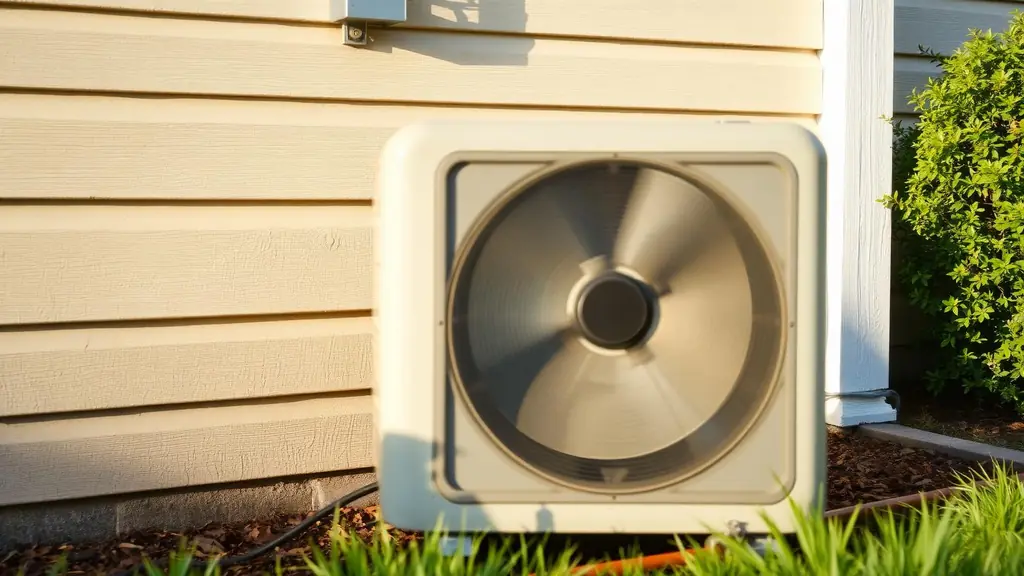
Quick answer: AC that runs constantly
An AC that runs constantly without reaching the thermostat setpoint is usually low on refrigerant, has a dirty condenser or evaporator coil restricting heat exchange, or is undersized for the house. A correctly charged, clean system should cycle off periodically even on the hottest days.
Get it inspected
A constantly running AC wastes energy and stresses the compressor, risking a costlier failure. Worth diagnosing within a week, sooner during extreme heat.
A well-matched AC system cycles on and off in 15-20 minute runs on a design day, satisfying the thermostat and shutting down before starting again. A system that runs continuously for hours without ever reaching setpoint is not doing its job efficiently, and continuous operation accelerates compressor wear.
The two biggest culprits are anything that restricts heat exchange at the coils — dirt, low refrigerant, poor airflow — and equipment that's simply undersized or oversized for the home's actual cooling load.
Warning signs of AC that runs constantly
- AC runs for hours without ever reaching the thermostat setpoint
- Indoor temperature stalls a few degrees above the setpoint no matter how long it runs
- Higher than normal electric bills during cooling season
- Weak airflow from vents while the system runs
- Ice visible on the outdoor unit's refrigerant lines or the indoor coil
Most likely causes of AC that runs constantly, ranked
1. Low refrigerant charge from a leak
Most common — especially in systems over 8 years old
A correctly charged system drops supply air 16-22°F below return air temperature. Low refrigerant from a slow leak reduces the system's heat-absorbing capacity, so it runs far longer to remove the same amount of heat and often never catches up on hot days. Refrigerant does not deplete on its own — any low charge means there's a leak somewhere in the line set or coil.
10-minute self-test: Measure the temperature at a supply register and at the return grille while the system runs. A split under 14°F suggests low charge, restricted airflow, or a dirty coil.
This cause is not a DIY repair — it needs a hvac technician.
2. A dirty condenser or evaporator coil
Very common — worsens gradually with lack of maintenance
The outdoor condenser coil needs unrestricted airflow to reject heat, and the indoor evaporator coil needs clean surfaces to absorb it efficiently. Dirt, grass clippings, and pollen buildup on either coil act as insulation, forcing the system to run longer to move the same amount of heat.
10-minute self-test: Visually inspect the outdoor unit's fins for visible dirt or debris, and check that at least 2 feet of clearance surrounds it on all sides for airflow.
3. An undersized system for the home's cooling load
Common — especially after additions or in homes with poor insulation
A system sized without a proper Manual J load calculation, or one that was adequate before an addition or major window upgrade, may simply lack the tonnage to satisfy the thermostat on the hottest days, running continuously and still falling short by several degrees.
10-minute self-test: Check whether the system reaches setpoint on mild days but falls consistently short only during the hottest afternoons — a pattern that points to marginal, rather than failed, capacity.
This cause is not a DIY repair — it needs a hvac technician.
4. A failing capacitor or contactor reducing compressor performance
Common in systems 8+ years old
A weakening run capacitor doesn't always cause a full failure — it can let the compressor and fan motor run at reduced efficiency, moving less refrigerant and less air per cycle while still technically operating, which shows up as a system that runs constantly but underperforms.
10-minute self-test: Note whether the outdoor fan seems to spin slower than it used to, or if the compressor makes a humming sound without starting — both point toward a weak capacitor.
This cause is not a DIY repair — it needs a hvac technician.
5. Excessive duct leakage or a badly sealed building envelope
Less common as the sole cause but frequently compounds others
ENERGY STAR estimates typical duct systems lose 20-30% of moved air to leaks; combined with an under-insulated attic or leaky windows, the system may be conditioning outdoor air almost as fast as it cools indoor air, making constant operation the only way to make any headway at all.
10-minute self-test: Feel for air leaks around window and door frames, and check if the attic access hatch or knee walls are insulated and sealed.
This cause is not a DIY repair — it needs a hvac technician.
Your 10-minute check list for AC that runs constantly
- Measure supply-to-return temperature split with a thermometer at a register and at the return grille
- Check the outdoor unit for debris, dirt, and adequate clearance
- Note whether the system fails to reach setpoint only on the hottest days or consistently every day
- Check the age of the system and last professional service date
What it costs to fix AC that runs constantly
| Cause / repair | DIY cost | Professional cost |
|---|---|---|
| Coil cleaning (indoor and outdoor) | $20–$50 (outdoor only) | $150–$450 |
| Refrigerant leak repair and recharge | not legal/recommended without EPA cert | $400–$2,200 |
| Capacitor replacement | not recommended | $150–$450 |
| Duct sealing | $30–$80 | $900–$3,000 |
| System replacement with correctly sized equipment | n/a | $6,000–$14,000 |
See the full cost breakdown for this repair →
DIY fixes for AC that runs constantly
Clean the outdoor condenser fins yourself
Turn off power at the disconnect, then gently hose off the outdoor unit's fins from the inside out and clear grass, leaves, and debris from within 2 feet of the unit.
Replace the air filter
A clogged filter restricts airflow across the indoor coil, contributing to the same restricted-airflow symptoms as a dirty coil itself. Replace every 60-90 days.
Close blinds and use fans to reduce load during peak sun hours
Reducing solar heat gain and adding air movement lets the thermostat run at a less demanding setpoint while feeling equally comfortable.
Mistakes to avoid with AC that runs constantly
- Don't keep lowering the thermostat when the system can't keep up — it just runs longer without gaining capacity
- Don't top off refrigerant repeatedly without repairing the leak; it's a temporary fix that wastes money and refrigerant
Where homeowners waste money on AC that runs constantly
- Topping off refrigerant without finding and fixing the leak first
- Buying a bigger thermostat or smart thermostat expecting it to fix a capacity or refrigerant problem
When to call a hvac technician about AC that runs constantly
A technician will check refrigerant charge against manufacturer subcooling and superheat targets rather than just adding refrigerant until pressure looks right.
If the system is over 12-15 years old and undersized, most contractors recommend a Manual J load calculation and full replacement rather than continued repairs on marginal equipment.
What a hvac technician actually does on this job →
How to prevent AC that runs constantly coming back
- Schedule annual AC maintenance before cooling season starts each year
- Keep the outdoor unit clear of debris and vegetation year-round
- Have ductwork and attic insulation assessed if the system is undersized-feeling despite good maintenance
Why Is My House Getting an AC That Runs Constantly — questions homeowners ask
Is it bad for my AC to run all day?
Occasional long runs on extreme heat days are fine, but continuous operation that never reaches setpoint accelerates compressor wear and usually signals low refrigerant, dirty coils, or undersized capacity.
How do I know if my AC is low on refrigerant?
A supply-to-return temperature split under 14°F, ice forming on the refrigerant lines or indoor coil, and a system that runs constantly without cooling effectively are the classic signs — confirmed by a technician's gauge readings.
Should I run the fan on ON or AUTO if the AC runs constantly?
AUTO is correct in nearly all cases; running the fan on ON continuously re-evaporates moisture off the coil and can reduce dehumidification, adding to the sense that the system 'never keeps up.'
Can a dirty air filter really cause the AC to run nonstop?
Yes — a severely clogged filter restricts airflow enough to reduce the coil's heat-exchange capacity, mimicking the symptoms of a bigger mechanical problem.
Problems related to AC that runs constantly
- Why Is My House Getting Weak Airflow From the Vents?Often shows up alongside this problem. Weak vent airflow is most often caused by a clogged air filter restricting the blower, followed by duct leaks, closed or blocked registers, and undersized or crushed ductwork.Heating, Cooling & Air Get it inspected
- Why Is My House Getting Hot Upstairs?Often shows up alongside this problem. Upstairs rooms run hotter mainly because heat naturally rises (the stack effect) and because attic heat radiates down through the ceiling.Heating, Cooling & Air Get it inspected
- Why Is My House Getting High Energy Bills?Often shows up alongside this problem. High energy bills usually come from HVAC-related losses: duct leakage, an aging or oversized system, poor attic insulation, and air leaks around windows and doors.Heating, Cooling & Air Low urgency — monitor
- Why Is My House So Humid?Your house is humid because moisture is entering faster than it leaves.Moisture, Water & Mold Get it inspected
Sources used for AC that runs constantly
- ENERGY STAR — Central Air Conditioner Maintenance Guidance
- Air Conditioning Contractors of America (ACCA) Manual J — Residential Load Calculation
- ASHRAE — Refrigeration and Air Conditioning Standards