
Why Is My House Getting Weak Airflow From the Vents?
Reviewed 2026-07-30 · How we research
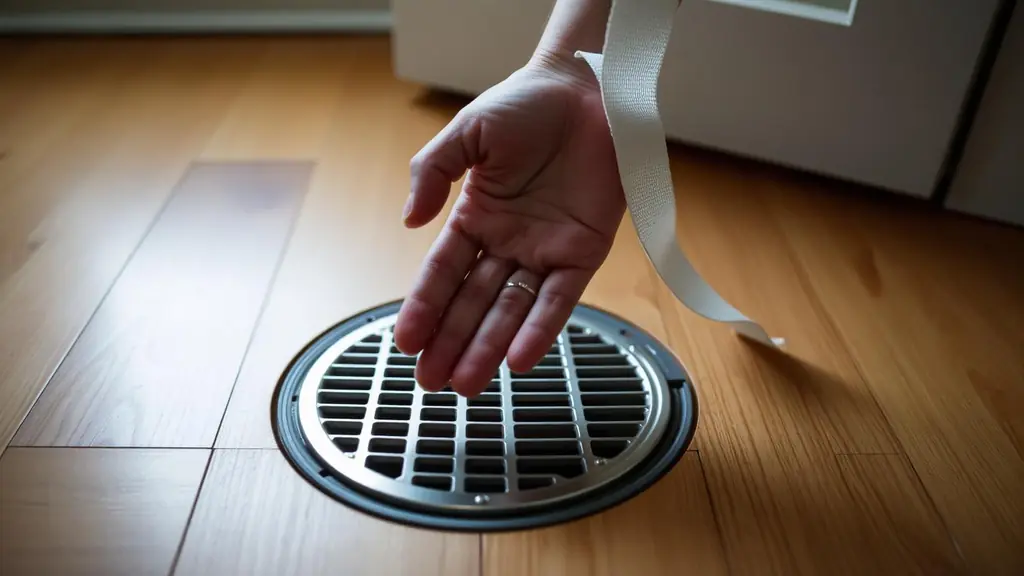
Quick answer: weak airflow from the vents
Weak vent airflow is most often caused by a clogged air filter restricting the blower, followed by duct leaks, closed or blocked registers, and undersized or crushed ductwork. ENERGY STAR estimates typical duct systems lose 20–30% of moved air to leaks before it reaches the vents.
Get it inspected
Weak airflow reduces comfort and efficiency without immediate danger, but ignoring it can freeze the AC coil or crack a heat exchanger. Address it within a few weeks.
Airflow problems trace back to one of three things: something blocking air before it enters the system, something losing air along the way, or the system itself being undersized or malfunctioning. A quick filter check rules out the single most common cause in minutes.
ENERGY STAR estimates the average home's duct system loses 20-30% of the air moving through it to leaks in unconditioned spaces like attics and crawlspaces — meaning a meaningful chunk of what your system produces never reaches the room at all.
Warning signs of weak airflow from the vents
- One or more rooms get noticeably less airflow than others
- Airflow has gradually weakened over the past few months
- Registers make a hissing or whistling sound
- The system runs longer than it used to to reach the same temperature
- Visible dust buildup or a gray, matted filter
Most likely causes of weak airflow from the vents, ranked
1. A dirty or clogged air filter
Most common — the first thing to check every time
A filter loaded with dust and debris restricts airflow across the blower, and ENERGY STAR notes a clogged filter can cut system airflow enough to force the equipment to work harder and cool or heat less effectively throughout the whole house, not just at the vents furthest from the unit. This is the cheapest cause to rule out.
10-minute self-test: Pull the filter and hold it up to a light. If you can't see light through it clearly, it's restricting airflow and needs replacement.
If that test is negative: If the filter was changed within the last 60 days and looks clean, look elsewhere.
2. Closed, blocked, or undersized return air vents
Very common — especially after furniture rearranging
The return vent pulls air back into the system to be reconditioned, and a system starved of return air can't push adequate supply air out regardless of how strong the blower is. Furniture, rugs, or curtains blocking a return, or a single undersized return trying to serve a large house, chokes the whole system's airflow at the source.
10-minute self-test: Check that all return grilles are unobstructed by furniture or rugs, and hold a tissue near the largest return — it should be pulled firmly against the grille.
3. Leaking or disconnected ductwork
Common — especially in attics, crawlspaces and older duct systems
Duct joints sealed only with cloth-backed tape degrade within years, and flexible duct can crush, kink or fully disconnect from a boot fitting. ENERGY STAR's 20-30% typical leakage figure means a meaningful share of your conditioned air is escaping into an attic or crawlspace before it ever reaches a register, especially affecting rooms furthest from the air handler.
10-minute self-test: In an accessible attic or crawlspace, run the system and feel along visible duct joints and boots for air escaping, especially at rooms with the weakest airflow.
This cause is not a DIY repair — it needs a hvac technician.
4. Closed dampers or a zoning system malfunction
Common in homes with zoned HVAC or manual balancing dampers
Many duct systems include manual balancing dampers near the main trunk, and motorized zone dampers in multi-zone systems can fail in the closed position, cutting off airflow to an entire section of the house while leaving the rest normal.
10-minute self-test: Check for small lever handles on visible ductwork near the furnace or air handler — an aligned lever means open, a perpendicular lever means closed.
5. An undersized duct system or blower motor issue
Less common — usually tied to additions or an aging blower
Additions and finished basements sometimes get tied into an existing duct system never sized for the added square footage, permanently starving new rooms of adequate airflow. Separately, a blower motor with worn bearings or a failing capacitor spins slower than its rated CFM, reducing airflow at every vent.
10-minute self-test: If weak airflow is limited entirely to a room added after original construction, undersized ductwork is likely. If airflow is weak system-wide and has declined gradually, suspect the blower.
This cause is not a DIY repair — it needs a hvac technician.
Your 10-minute check list for weak airflow from the vents
- Check and replace the air filter if it's been more than 60-90 days
- Confirm all supply and return vents are open and unobstructed by furniture or rugs
- Check visible duct dampers near the furnace for position
- Note whether weak airflow affects one room, one zone, or the whole house
What it costs to fix weak airflow from the vents
| Cause / repair | DIY cost | Professional cost |
|---|---|---|
| Filter replacement | $15–$40 | n/a |
| Duct sealing (mastic sealant or Aeroseal) | $30–$80 | $900–$3,000 |
| Damper adjustment or repair | $0–$50 | $150–$400 |
| Blower motor replacement | not recommended | $400–$900 |
| Duct system redesign/enlargement | n/a | $2,500–$7,500 |
See the full cost breakdown for this repair →
DIY fixes for weak airflow from the vents
Set a recurring filter reminder
Replace 1-inch pleated filters every 60-90 days, or monthly with pets, and use a MERV 8-13 filter, which ENERGY STAR notes balances filtration with airflow most residential blowers can handle.
Clear furniture and rugs from every return grille
A return needs at least a few inches of clearance on all sides to pull air freely; check every return in the house, not just the main one.
Open all supply registers, even in unused rooms
Closing more than 10-20% of registers to 'save energy' actually raises system pressure and can reduce total airflow and efficiency rather than improving it.
Mistakes to avoid with weak airflow from the vents
- Don't close multiple registers thinking it redirects air more efficiently — it raises static pressure system-wide
- Don't ignore weak airflow for a full season; it can cause coil icing in summer or heat exchanger overheating in winter
Where homeowners waste money on weak airflow from the vents
- Buying a more powerful blower motor before sealing duct leaks — you'd just be pushing more air out of the same holes
- Duct cleaning when the actual problem is leakage, not dust buildup — cleaning and sealing address different issues
When to call a hvac technician about weak airflow from the vents
A technician can measure static pressure across the system with a manometer to quantify whether airflow restriction is at the filter, the ducts, or the blower.
Duct leakage testing (a blower door or duct blaster test) gives an exact leakage percentage rather than guessing from feel.
What a hvac technician actually does on this job →
How to prevent weak airflow from the vents coming back
- Replace filters on a fixed schedule rather than waiting for visible dirt
- Have ducts inspected and sealed every 5-10 years, especially in attics and crawlspaces
- Schedule annual HVAC maintenance to catch blower and capacitor wear early
Why Is My House Getting Weak Airflow From the Vents — questions homeowners ask
How much airflow should come out of a vent?
It varies by room size and register count, but a noticeable, steady stream of air with no whistling or hissing sound is the baseline; whistling indicates a restriction somewhere in the duct run.
Does closing vents in unused rooms save energy?
No. Closing more than a couple of registers increases system static pressure, which can reduce overall efficiency and airflow rather than redirecting air usefully.
How do I know if the problem is my filter or my ducts?
Check the filter first since it takes 30 seconds; if airflow is still weak with a clean filter, and especially if it's isolated to specific rooms, ducts or dampers are the more likely cause.
How much air do typical ducts lose to leaks?
ENERGY STAR estimates the typical home's duct system loses 20-30% of the air moving through it to leaks in unconditioned spaces before it reaches the vents.
Problems related to weak airflow from the vents
- Why Is My House Getting Hot Upstairs?Same part of the house — Upstairs rooms run hotter mainly because heat naturally rises (the stack effect) and because attic heat radiates down through the ceiling.Heating, Cooling & Air Get it inspected
- Why Is My House Getting an AC That Runs Constantly?Often shows up alongside this problem. An AC that runs constantly without reaching the thermostat setpoint is usually low on refrigerant, has a dirty condenser or evaporator coil restricting heat exchange, or is undersized for the house.Heating, Cooling & Air Get it inspected
- Why Is My House So Dusty?If you dust and it returns in two days, air is entering from somewhere unfiltered — usually leaking return ducts pulling dirty air from an attic or crawlspace.Heating, Cooling & Air Get it inspected
- Why Is My House Getting High Energy Bills?Often shows up alongside this problem. High energy bills usually come from HVAC-related losses: duct leakage, an aging or oversized system, poor attic insulation, and air leaks around windows and doors.Heating, Cooling & Air Low urgency — monitor
Sources used for weak airflow from the vents
- ENERGY STAR — Duct Sealing Guidance
- ASHRAE 62.2 — Ventilation and Acceptable Indoor Air Quality in Residential Buildings
- Air Conditioning Contractors of America (ACCA) Manual D — Residential Duct Design