
Why Is My House Getting Scratching Noises in the Attic?
Reviewed 2026-07-30 · How we research
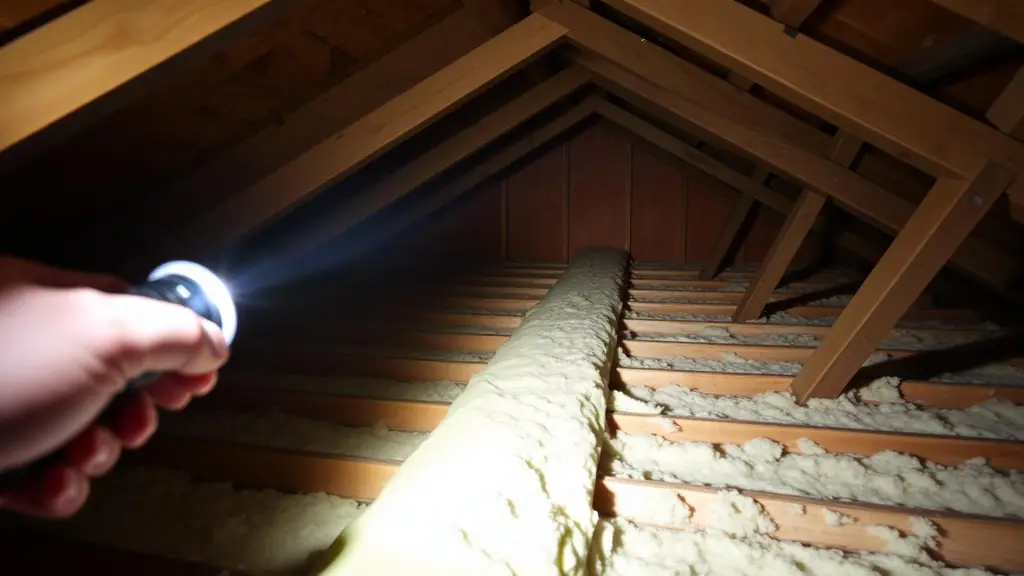
Quick answer: scratching noises in the attic
Scratching in the attic is most often squirrels or rats active at dawn and dusk, or raccoons moving heavily at night. The animal got in through an unsealed gap — a roof-fascia junction, a broken vent screen, or a gap at the eave — and won't leave permanently until that entry point is found and closed.
Get it inspected
Occasional noise is a nuisance, but any wildlife in an attic should be addressed promptly — animals chew wiring (a fire risk), damage insulation, and their droppings can carry disease. A raccoon with young, or any sign of rabies-vector species behaving erratically, needs immediate professional handling.
The timing and sound of the noise narrows down the species before you ever see the animal: squirrels are active at dawn and dusk and sound light and quick; rats are similar timing but scratchier and often heard in walls too; raccoons are heavier, active at night, and can sound like a large animal walking rather than scratching.
Removing the animal solves half the problem — the entry point that let it in has to be found and sealed, or a new animal moves in within weeks.
Warning signs of scratching noises in the attic
- Scratching or scampering sounds concentrated at dawn or dusk (squirrels, rats)
- Heavier thumping or walking sounds at night (raccoons, opossums)
- Visible gaps, chew marks, or damaged vent screens at the roofline or soffit
- Droppings visible in the attic or a strong ammonia-like odor
- Staining on the ceiling from urine soaking through insulation
Most likely causes of scratching noises in the attic, ranked
1. Squirrels nesting in the attic
Most common cause of daytime attic scratching
Squirrels are active at dawn and dusk and chew to keep their teeth worn down, often gnawing through fascia boards, soffit vents, or roof edges to gain entry, especially near overhanging tree branches that give them access to the roofline.
10-minute self-test: Listen for lighter, quick scratching or rolling-nut sounds during early morning or evening hours, and check the roofline near any nearby tree branches for chew marks or a gnawed entry hole.
This cause is not a DIY repair — it needs a wildlife removal specialist.
2. Roof rats or mice in the attic
Very common, especially in homes with overhanging vegetation
Roof rats climb trees and utility lines to access rooflines and can squeeze through gaps as small as 1/2 inch. They're active mostly at night, gnaw on wiring and insulation, and their droppings (dark, spindle-shaped, about 1/2 inch) are a common way to confirm species.
10-minute self-test: Look for droppings near the attic hatch or along joists, and check for gnaw marks on wiring insulation or stored boxes.
This cause is not a DIY repair — it needs a wildlife removal specialist.
3. Raccoons denning in the attic or chimney
Common in spring when females seek denning sites for young
Raccoons can tear through soffit or roof vents to create an entry large enough to fit their body, often choosing an attic specifically to den and raise young in spring. Their movement is noticeably heavier and slower than a rodent's, more like a large animal walking or dragging something.
10-minute self-test: Listen for heavy, deliberate movement at night rather than quick scurrying, and check for a torn or enlarged opening at a roof vent, soffit, or chimney cap.
If that test is negative: Light, quick scratching at dawn/dusk rules out raccoons in favor of squirrels or rats.
This cause is not a DIY repair — it needs a wildlife removal specialist.
4. Bats roosting in the attic
Common in older homes with gaps at the roofline or gable vents
Bats can enter through gaps as small as 3/8 inch and roost in colonies, producing a faint rustling or chittering sound, most noticeable around dusk as they leave to feed. Guano accumulation has a distinctive musty, ammonia-like smell.
10-minute self-test: Watch the roofline at dusk from outside for bats emerging from a gap, and check for small dark droppings that crumble to dust (unlike rodent droppings) below a suspected entry point.
This cause is not a DIY repair — it needs a wildlife removal specialist.
5. Birds nesting in a vent or soffit gap
Less common but frequent in spring
Birds occasionally nest in bathroom or dryer exhaust vent openings or damaged soffit sections, producing chirping and light scratching, typically during spring and early summer nesting season.
10-minute self-test: Check exterior vent covers for missing flaps or visible nesting material, and note if the sound is accompanied by chirping.
Your 10-minute check list for scratching noises in the attic
- Note the time of day the noise occurs — dawn/dusk vs. all night.
- Note whether movement sounds light and quick or heavy and slow.
- Inspect the roofline, soffits, and vents from the ground with binoculars for gaps or damage.
- Look in the attic for droppings, chew marks, or nesting material near any suspected entry.
- Watch the roofline at dusk for bats or other animals emerging.
What it costs to fix scratching noises in the attic
| Cause / repair | DIY cost | Professional cost |
|---|---|---|
| Wildlife inspection | $0 | $100–$300 |
| Squirrel/rat trapping and removal | n/a | $200–$600 |
| Raccoon removal (with possible young) | n/a | $300–$700 |
| Bat colony exclusion | n/a | $400–$1,500 |
| Entry point sealing/exclusion work | $50–$150 | $300–$1,200 |
| Attic insulation replacement after contamination | n/a | $1,500–$4,000 |
| Attic cleanup/decontamination | n/a | $500–$2,500 |
See the full cost breakdown for this repair →
DIY fixes for scratching noises in the attic
Trim overhanging branches
Cut back any tree limbs within 6–8 feet of the roofline to remove the easiest access point for squirrels and rats.
Seal obvious small gaps
Steel wool and caulk, or hardware cloth over vent openings, can close small gaps you find yourself — but only after confirming the animal has actually left, not while it's still inside.
Do not attempt to trap or handle wildlife yourself
Raccoons and bats can carry rabies, and many species are protected during breeding season — professional, licensed wildlife removal is the safe and often legally required approach.
Mistakes to avoid with scratching noises in the attic
- Sealing the entry hole before confirming the animal (and any young) is out — trapping it inside creates a dead-animal odor problem and a desperate, destructive animal.
- Trying to handle raccoons, bats, or their droppings yourself without protective equipment.
- Using poison for rodents in an attic — poisoned rodents often die inside walls, causing a worse odor problem than the noise itself.
Where homeowners waste money on scratching noises in the attic
- General pest control sprays for a wildlife problem — they don't address large mammals or bats.
- Sealing entry points without confirming the attic is empty first.
When to call a wildlife removal specialist about scratching noises in the attic
Hire a licensed wildlife removal specialist rather than a general pest control company for raccoons, bats or squirrels — species-specific, humane exclusion methods and legal requirements (especially for bats) differ significantly from insect treatment.
Ask whether the service includes exclusion (sealing entry points) as well as removal — removal alone without sealing invites a repeat problem.
For raccoons in spring, ask specifically about a one-way exclusion device that lets a mother out but not back in, rather than trapping, if young are suspected to still be inside.
What a wildlife removal specialist actually does on this job →
How to prevent scratching noises in the attic coming back
- Trim tree branches back from the roofline.
- Install chimney caps and vent screens with 1/4-inch hardware cloth.
- Seal gaps at the roofline, soffit and fascia annually as part of exterior maintenance.
- Keep attic entry points inspected especially in spring, the peak wildlife denning season.
Why Is My House Getting Scratching Noises in the Attic — questions homeowners ask
How do I tell if it's squirrels or rats in my attic?
Squirrels are almost exclusively active at dawn and dusk with lighter, quicker movement. Rats are more nocturnal and often also heard scratching inside walls, not just the attic, with droppings that are dark and spindle-shaped.
Is it dangerous to have wildlife in my attic?
Yes, in several ways: chewed electrical wiring is a fire hazard, droppings can carry disease (histoplasmosis from bat guano, hantavirus from rodent droppings), and raccoons can carry rabies. It should be addressed promptly, not left indefinitely.
Can I just seal up the hole I found?
Not until you're certain the animal — and any young — is out. Sealing an occupied entry traps the animal inside, leading to a dead-animal odor and, in the case of raccoons, a desperate animal that will tear a new hole.
Will the noise stop on its own?
Only if the animal leaves voluntarily, which isn't guaranteed, especially if it has denned to raise young. Professional exclusion combined with sealing the entry point is the reliable, permanent fix.
Problems related to scratching noises in the attic
- Why Is My House Getting a Ceiling Stain?Ceiling stains almost always come from water tracking along roof sheathing or rafters from a leak at flashing, a valley or a vent boot, or from a plumbing leak in a bathroom or HVAC line above.Roof, Attic & Gutters Get it inspected
- Why Is My House Full of Spiders?Spiders are a symptom, not the problem.Pests & Wildlife Low urgency — monitor
- Why Is My House Making Creaking Noises at Night?Houses creak at night because framing cools and contracts after sunset.Foundation & Structure Low urgency — monitor
- Why Is My House Smelling Musty?A musty smell is microbial volatile organic compounds — geosmin and 2-methylisoborneol — released by mold and bacteria digesting damp material.Smells & Odors Get it inspected
Sources used for scratching noises in the attic
- CDC — wildlife-borne disease risks (rabies, hantavirus, histoplasmosis)
- National Wildlife Control Operators Association — humane exclusion standards
- EPA — integrated pest and wildlife management guidance
- US Fish and Wildlife Service — bat protection and exclusion timing guidance