
Why Is My House So Dry?
Reviewed 2026-07-30 · How we research
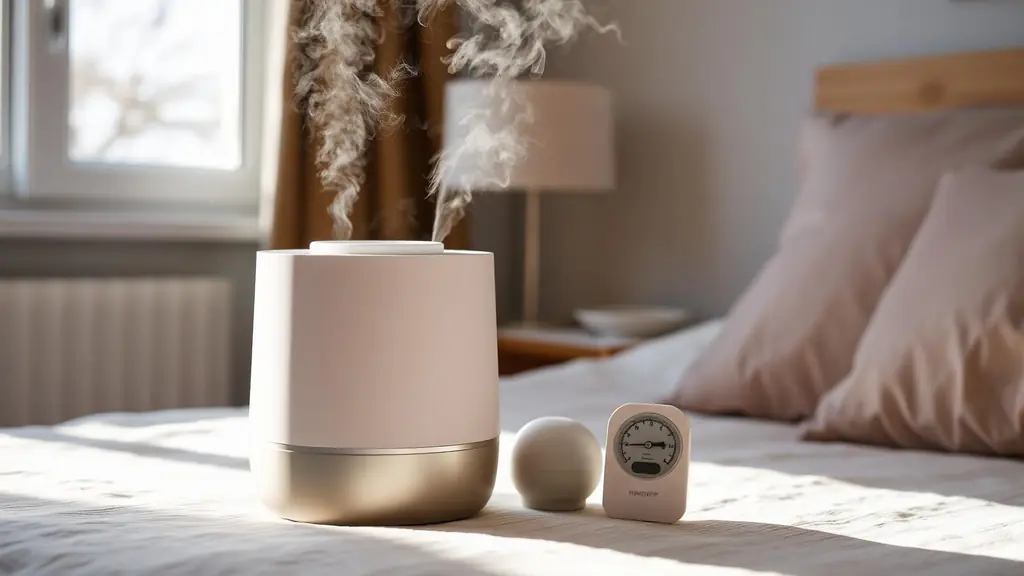
Quick answer: a house that feels so dry
Dry indoor air in winter is a leakage problem. Outdoor air at 20°F and 70% humidity becomes about 12% relative humidity once you heat it to 70°F. The more air your house leaks, the drier it gets. Target 30–40% RH in winter; air sealing does more than a humidifier.
Low urgency — monitor
Uncomfortable rather than dangerous. Below about 30% RH you get static shocks, cracked wood, dry sinuses and, per several studies, better airborne virus survival.
Cold air holds almost no water. When you drag it inside and heat it 50 degrees, the relative humidity collapses. This is why your house is a desert in January and a swamp in July with no change in equipment.
That physics has one practical consequence: the leakier the house, the drier it is. Adding a humidifier treats the symptom. Sealing the leaks treats the cause and cuts the heating bill at the same time.
Most likely causes of a house that feels so dry, ranked
1. High air leakage — the house is exchanging its air too many times an hour
Most common by far
A leaky 1960s house can exchange its entire air volume once an hour in winter wind. Every exchange replaces moist indoor air with bone-dry outdoor air that then gets heated. A tight house holds the moisture your family generates — cooking, showering and breathing produce 2–4 gallons of water a day for a family of four.
10-minute self-test: On a cold windy day, close the house, run the bath and kitchen exhaust fans, and walk the perimeter with an incense stick. Streaming smoke at outlets, baseboards, and the attic hatch means leakage. Also check whether RH drops sharply on windy days — that is the signature.
2. Oversized or continuously running exhaust ventilation
Common in newer homes with always-on ventilation
A continuously running bath fan or an ERV set too aggressively can over-ventilate. ASHRAE 62.2 sets a target rate based on floor area and occupancy — roughly 7.5 CFM per person plus 3 CFM per 100 square feet. Running 150 CFM continuously in a small house dries it out and costs real money to heat.
10-minute self-test: Find every exhaust fan and check whether any is wired to run continuously. Turn them off for 24 hours and watch the hygrometer. A rise of 8–10 points identifies the culprit.
3. A forced-air furnace with a leaky return in an unconditioned space
Common in crawlspace and attic duct systems
Return leaks in an attic pull in outdoor-dry air continuously whenever the system runs, which in January is most of the time. This mechanism dries the house and drives up the heating bill simultaneously — you are heating outside air on purpose.
10-minute self-test: Run the blower and hold an incense stick at return duct seams in the attic or crawlspace. Smoke sucked in marks the leak. Compare hygrometer readings with the system off for two hours versus running.
4. Wood stoves and vented gas fireplaces
Obvious once you look at it
An open fireplace can pull 300–500 CFM of household air up the chimney to feed combustion and draft. That air is replaced by outdoor air through every crack in the building. A cozy fire is one of the most aggressive whole-house dehumidifiers available.
10-minute self-test: Take a hygrometer reading before lighting a fire and again three hours in. A 10-point drop confirms it. Also check whether the stove has an outside combustion air kit — most older installs do not.
5. Whole-house humidifier that is broken, bypassed or shut off
Frequent in homes that used to be comfortable
Bypass and steam humidifiers mounted on the furnace fail quietly: the water solenoid clogs with scale, the pad calcifies, or someone closed the summer bypass damper and never reopened it. Owners assume it is working for years.
10-minute self-test: With the furnace calling for heat, set the humidistat to 45% and listen for the water valve. Pull the humidifier cover: a dry, crusty white pad means no water is reaching it.
What it costs to fix a house that feels so dry
| Cause / repair | DIY cost | Professional cost |
|---|---|---|
| Hygrometer | $10–$25 | n/a |
| Caulk, foam and weatherstripping air sealing | $50–$150 | $800–$2,500 |
| Console humidifier (1–3 rooms) | $60–$200 | n/a |
| Humidifier pad/filter replacement | $15–$40 | $120–$250 |
| Bypass whole-house humidifier | $130–$300 (unit) | $400–$900 installed |
| Steam whole-house humidifier | n/a | $1,200–$2,800 |
| Outside combustion air kit for stove | $80–$200 | $350–$900 |
| Blower-door test to quantify leakage | n/a | $300–$600 |
DIY fixes for a house that feels so dry
Seal before you humidify
Adding moisture to a leaky house pushes water vapor into wall cavities where it condenses on cold sheathing. Air seal the attic plane and rim joist first, then humidify.
Set winter humidity by outdoor temperature
A practical rule: 40% RH when it is 40°F out, 35% at 20°F, 30% at 10°F, 25% below zero. Higher than that and you will get condensation and ice on window glass, then mold on the sills.
Use the moisture you already make
Leave the bathroom door open after a shower and skip the fan on cold days, air-dry laundry on a rack, and let the dishwasher air-dry with the door open. This can add 5–10 RH points for free.
Clean the humidifier every 1–2 weeks
The CDC and EPA both warn that dirty humidifier reservoirs aerosolize bacteria and mold. Empty, scrub, and refill with fresh water — not topped-off water. Use distilled water in ultrasonic units to avoid spraying mineral dust.
Add houseplants and open containers only as a minor assist
Be honest about scale: a large plant transpires a few ounces a day. It helps a bedroom, not a house.
Give the wood stove outside air
An outside combustion air kit stops the stove from using your heated indoor air as fuel supply, which also removes a big source of dryness.
Where homeowners waste money on a house that feels so dry
- Bowls of water on radiators. Evaporation from a few open bowls is measured in ounces; the house loses gallons.
- Running a humidifier at 50% RH in January. You will condense water inside your walls and windows and grow mold on the sills.
- Ultrasonic humidifiers with hard tap water — they aerosolize dissolved minerals as white dust that then shows up in your lungs and on furniture.
- Buying a humidifier before finding out whether the whole-house unit you already own is simply switched off.
When to call a hvac contractor about a house that feels so dry
Call an HVAC contractor to install a steam humidifier if you have a large or very leaky house — bypass units struggle above about 2,500 square feet or in very cold climates.
Get a blower-door test if RH swings dramatically with wind. The test gives you a CFM50 number and a target, and identifies the leaks worth sealing.
If you have a heat pump or high-efficiency furnace, confirm the humidifier is compatible and wired to the correct terminal. Wiring a humidifier to run with the fan instead of the heat call can flood the plenum.
Why Is My House So Dry — questions homeowners ask
What humidity should my house be in winter?
30–40% relative humidity is the practical winter target. The EPA's 30–50% band applies year-round, but in cold weather the upper end causes condensation on windows and inside wall cavities. Drop your setpoint as the outdoor temperature falls: if windows fog, you are too high.
Is dry indoor air bad for you?
Below about 30% RH, mucous membranes dry out, static discharge increases, and several studies show influenza and other enveloped viruses survive longer in the air. It also shrinks wood: hardwood floors gap, trim joints open, and musical instruments crack. It is a comfort and property issue, not a medical emergency.
Why do my windows fog when I run the humidifier?
Glass is the coldest surface in the room. When room air touches it and cools below the dew point, water condenses. Fogging means your indoor humidity is above what the window surface temperature can support — lower the humidistat 5 points. Persistent condensation leads to mold on sashes and rotted sills.
Do humidifiers help with static shocks?
Yes. Static discharge drops off sharply above about 40% RH because a thin conductive film of moisture forms on surfaces. If you are getting shocked walking across carpet, you are almost certainly below 30%.
Problems related to a house that feels so dry
- Why Is My House So Cold?Often shows up alongside this problem. Most cold houses lose heat through air leaks and thin attic insulation, not through a weak furnace.Heating, Cooling & Air Get it inspected
- Why Is My House So Humid?Your house is humid because moisture is entering faster than it leaves.Moisture, Water & Mold Get it inspected
- Why Is My House So Dusty?Often shows up alongside this problem. If you dust and it returns in two days, air is entering from somewhere unfiltered — usually leaking return ducts pulling dirty air from an attic or crawlspace.Heating, Cooling & Air Get it inspected
- Why Is My House Making Creaking Noises at Night?Often shows up alongside this problem. Houses creak at night because framing cools and contracts after sunset.Foundation & Structure Low urgency — monitor
Sources used for a house that feels so dry
- US EPA — indoor relative humidity guidance (30–50%)
- ASHRAE Standard 62.2 — residential ventilation rates
- CDC — humidifier cleaning and respiratory risk guidance
- US DOE Energy Saver — air sealing and winter humidity