

Get it inspected
Uncomfortable, expensive, and a burst-pipe risk below 55°F indoors. Not an emergency unless the heat has failed entirely in freezing weather.
Most likely causes of a cold house, ranked
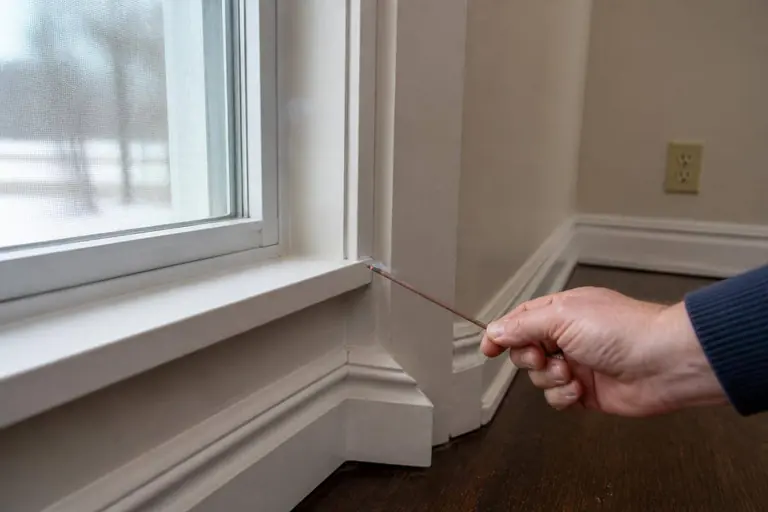
Air leakage through the attic plane and rim joist
Most common — the top finding in the majority of energy audits
Warm air rises and escapes through top-plate gaps, recessed light cans, plumbing chases and the attic hatch, pulling cold air in at the basement rim joist to replace it. This stack effect runs 24 hours a day. A blower-door test on a 1970s home routinely shows 8–15 air changes per hour at 50 pascals; a tight modern build is under 3. Air sealing typically cuts heating costs 10–20% and is roughly a tenth the price of new windows.
10-minute self-test: On a cold, windy day close all windows, turn off combustion appliances, and run the bathroom and kitchen exhaust fans to depressurize the house. Walk the perimeter with a lit incense stick at outlets, baseboards, attic hatch edges and window trim. Anywhere the smoke streams sideways is a leak. Sealing the top ten leaks beats replacing one window.
Not enough attic insulation
Very common in homes built before 1990
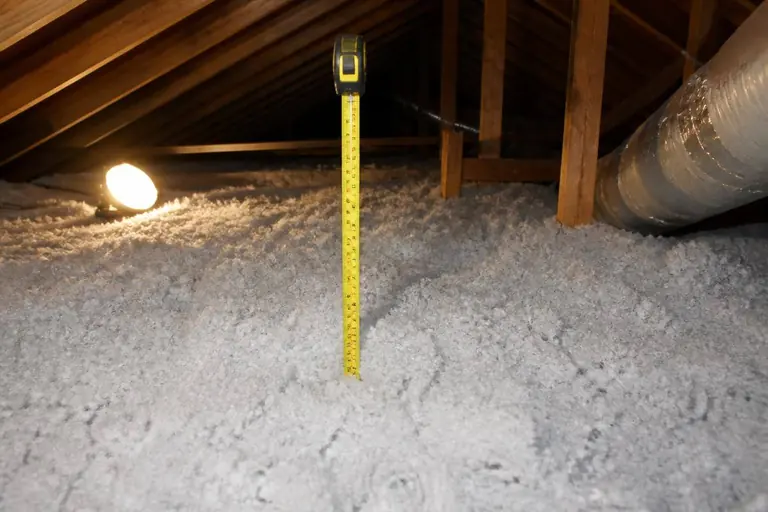
The US Department of Energy recommends R-49 to R-60 in attics for most of the US — about 16–22 inches of blown fiberglass or cellulose. Many houses still have the original 4–6 inches, roughly R-13. Insulation only slows conductive loss, so seal the air leaks first: blowing insulation over unsealed penetrations buries the problem and traps moisture.
10-minute self-test: Take a tape measure into the attic and read the insulation depth in five spots. Under 10 inches means you are losing heat continuously. Also look for dark, dirty streaks in the fiberglass — that is filtered air marking exactly where a leak is.
Unbalanced or leaking ductwork
Common — one cold room while the rest is fine
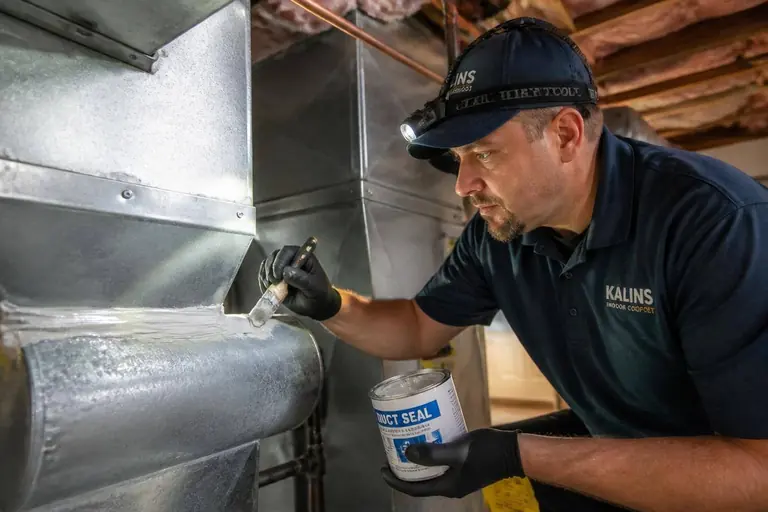
Typical residential duct systems leak 20–30% of the air they carry, and any duct running through an unconditioned attic or crawlspace dumps that heat outside. Long runs to a bonus room over a garage almost always underperform. Sealing duct joints with mastic — never cloth duct tape, which fails in a few years — recovers most of it.
10-minute self-test: Hold your hand at the farthest register and the closest one with the heat running. A big difference in airflow points to leakage or an unbalanced system. Use a $20 infrared thermometer: supply air should be 40–60°F above return air for a gas furnace.
A furnace that is short-cycling or running on a clogged filter
Common and cheap to check
A dirty filter starves the blower, drives up plenum temperature, and trips the high-limit switch. The furnace shuts off before the house warms and the burner cycles every few minutes. A MERV 8–13 pleated filter should be replaced every 60–90 days. Going higher than MERV 13 on an older system can choke airflow.
10-minute self-test: Pull the filter and hold it up to a light bulb. If you cannot see the light through it, it is done. Then time the burner cycles: under 5 minutes repeatedly is short-cycling and needs a technician.
Cold floors over a vented crawlspace or garage
Frequent in crawlspace homes
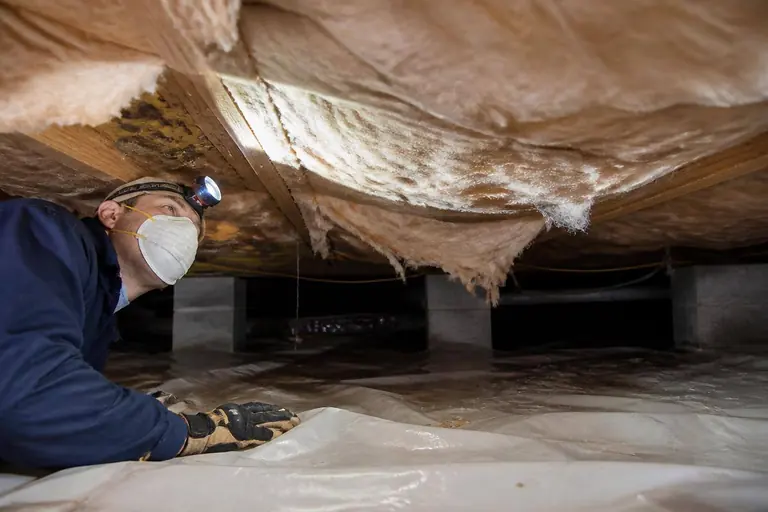
A vented crawlspace at 35°F sits inches below your feet with maybe R-11 of sagging batts between. Radiant loss to a cold floor makes a 70°F room feel like 65°F. Building science now favors sealing and insulating the crawlspace walls rather than the floor above.
10-minute self-test: Point an infrared thermometer at the floor in the cold room and at an interior wall. A gap of more than 5°F means the floor assembly is the problem, not the thermostat.
What it costs to fix a cold house
Caulk and expanding foam for air sealing
DIY cost$50–$150
Professional cost$800–$2,500
Weatherstripping exterior doors
DIY cost$15–$40 per door
Professional cost$150–$300 per door
Insulated attic hatch cover
DIY cost$40–$80
Professional cost$250–$450
Blown attic insulation to R-49
DIY cost$500–$1,200 (rental blower)
Professional cost$1,700–$4,500
Duct sealing with mastic
DIY cost$30–$80
Professional cost$900–$3,000
Furnace filter
DIY cost$8–$25
Professional costn/a
Furnace service / ignition or limit switch repair
DIY costn/a
Professional cost$150–$650
Professional blower-door energy audit
DIY costn/a
Professional cost$300–$600
Replacement windows (whole house)
DIY costn/a
Professional cost$8,000–$25,000
DIY fixes for a cold house
Seal the attic hatch
It is often the single biggest hole in the ceiling. Add adhesive weatherstripping around the frame and glue a 2-inch rigid foam box to the top of the panel. One hour, under $60.
Foam the rim joist
In the basement, the band of framing above the foundation wall is usually bare or stuffed with a decorative batt. Cut 2-inch rigid foam to fit each bay and seal the edges with canned foam. This kills the cold-air intake that feeds the stack effect.
Replace door weatherstripping and add a door sweep
If you can see daylight around a closed exterior door, you have a hole the size of a brick. Sweeps cost $15 and install with four screws.
Reverse ceiling fans to clockwise on low
This pushes the warm air pooled at the ceiling down the walls without creating a draft. In a room with 9-foot ceilings, the temperature difference floor-to-ceiling can be 8°F.
Open curtains on south windows during the day, close them at night
Free solar gain in, radiant loss out. Heavy lined curtains cut window heat loss by roughly 25%.
Set one thermostat schedule and leave it
Setting back 7–10°F for 8 hours a day saves about 10% annually per DOE. Constantly overriding it with the emergency-heat button on a heat pump does the opposite.
Where homeowners waste money on a cold house
- Replacing windows to fix a cold house before air sealing the attic. Windows are typically 10–15% of heat loss; air leakage and the attic are usually 40–50%.
- Space heaters as a long-term strategy. A 1,500W heater costs roughly $0.20/hour and only heats one room.
- Plastic film over windows if the frames themselves leak — seal the frame gaps with rope caulk instead.
- 'Furnace tune-up' subscriptions sold door to door. A real annual service is worthwhile; a $49 inspection that always finds a $2,000 problem is not.
When to call a pro about a cold house
Get a blower-door energy audit before spending on equipment. It costs $300–$600, quantifies your leakage in CFM50, and hands you a prioritized list. Many utilities subsidize or refund it.
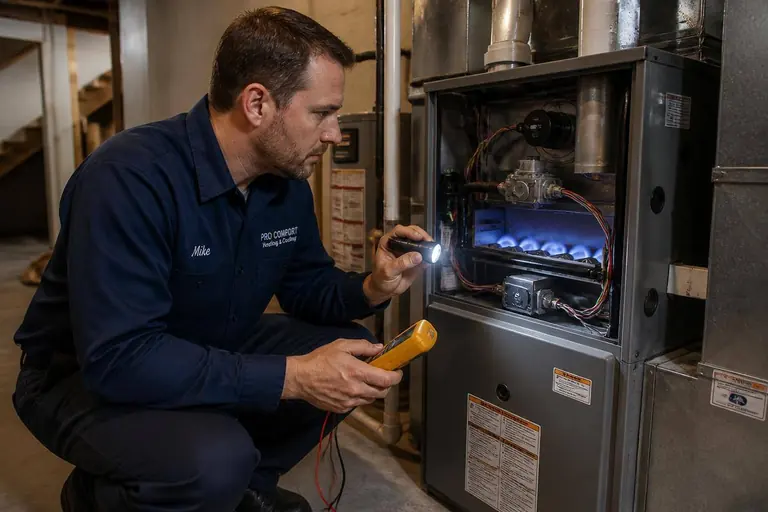
Call an HVAC technician if the furnace short-cycles with a clean filter, if you smell anything burning, or if the flame is yellow and lazy instead of crisp blue — that can indicate incomplete combustion and carbon monoxide.
Get windows quoted last. Replacement windows can take 20–40 years to pay back in energy savings alone. Air sealing pays back in 1–3.
Frequently asked questions
What temperature should I keep my house in winter?
The DOE suggests 68°F while awake and 60–62°F while asleep or away, which saves about 10% a year. Never let indoor temperature fall below 55°F: pipes in exterior walls can freeze and burst, and a burst supply line can release hundreds of gallons an hour.
Why is one room always colder than the rest of the house?
Usually duct-related — a long or crushed run, a closed damper, or a return-air imbalance. Check that the supply register is fully open and unblocked by furniture, then verify the room has a return path (an undercut door or transfer grille). A room with supply air and no return pressurizes and pushes its own heat outside.
Is it cheaper to keep the heat at one temperature all day?
No. That is a persistent myth. A building loses heat in proportion to the indoor-outdoor temperature difference, so a cooler house always loses less. The reheat cost never exceeds the savings from the setback. The one exception is a heat pump, where a deep setback can trigger expensive resistance backup heat — keep those setbacks to 2–4°F or use a thermostat with adaptive recovery.
How much insulation should be in my attic?
DOE recommends R-49 to R-60 for most US climate zones — about 16–22 inches of blown fiberglass or cellulose, or 14–18 inches of loose-fill rock wool. Measure the depth in several spots; settled insulation loses R-value.
Related problems
- Why Is My House So Hot?
- Why Is My House So Dry?
- Why Is My House So Humid?
- Why Is My House Having Flickering Lights?
Sources
- US DOE Energy Saver — recommended insulation R-values and thermostat setbacks
- ENERGY STAR — Rule Your Attic and Home Sealing guidance
- ASHRAE Standard 62.2 — residential ventilation
- InterNACHI — heating system inspection standards