
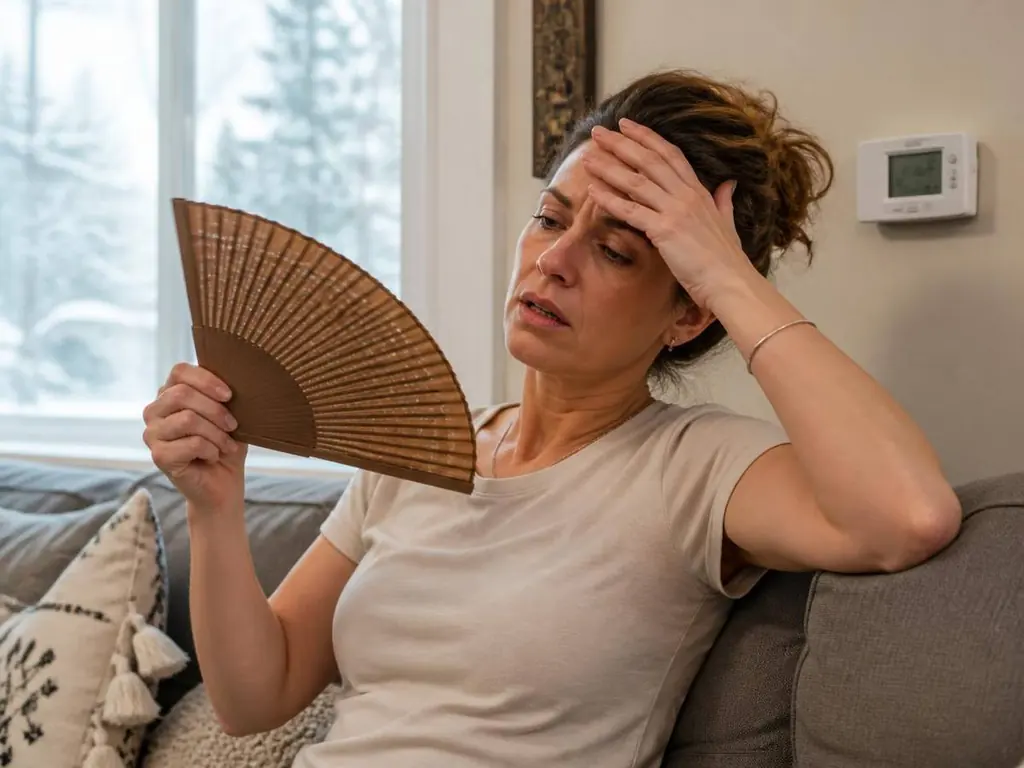
Quick answer: a house that stays hot in cold weather
A house that overheats while it's cold outside is usually a thermostat problem — bad placement, miscalibration, or a wrong schedule — or a stuck zone valve or relay keeping heat running after the setpoint is reached. Duct imbalance and solar gain in specific rooms can add to the effect.
Get it inspected
Uncomfortable and wasteful rather than dangerous, but a stuck zone valve or relay left unaddressed continues wasting fuel or electricity every day it runs.
Warning signs of a house that stays hot in cold weather
- One or more rooms feel noticeably hot while the heating system is actively running
- The thermostat shows the setpoint has been reached, but heat is still coming from the vents or radiators
- Upper floors overheat while lower floors stay comfortable or cold
- A specific zone in a multi-zone system stays hot regardless of its thermostat setting
Most likely causes of a house that stays hot in cold weather, ranked
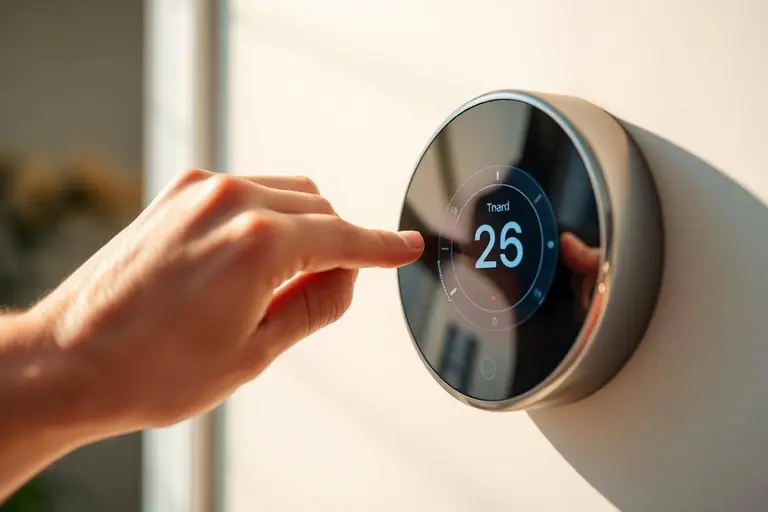
1. Thermostat placement causing it to underread the room
Most common
A thermostat mounted in a naturally cool spot — near an exterior wall, in a drafty hallway, or away from where people actually spend time — keeps calling for heat even after nearby rooms have already overheated, because it's reading a temperature lower than the rest of the house.
10-minute self-test: Compare the thermostat's displayed reading to a separate thermometer placed in the room that feels too hot; a meaningful gap points to placement as the cause.
2. Thermostat miscalibration
Common
Thermostats can drift out of calibration over years of use, reading several degrees cooler than the actual room temperature and triggering longer or more frequent heating calls than needed.
10-minute self-test: Hold a separate accurate thermometer next to the thermostat for 15 minutes and compare readings; a consistent few-degree gap suggests calibration drift.
3. Wrong schedule or setpoint left active
Common
A schedule programmed for colder conditions than currently exist, or a manual override left in place from an earlier cold snap, can keep the setpoint higher than needed for the current weather.
10-minute self-test: Check the programmed schedule and current setpoint against what the household actually wants right now, not what was set weeks ago.
4. Stuck zone valve or damper in a zoned system
Common in zoned or hydronic systems
In a multi-zone forced-air or hot-water system, a zone valve or damper that fails in the open position keeps delivering heat to that area regardless of its own thermostat's setpoint, overheating just that zone while others stay normal.
10-minute self-test: Check whether the affected zone's thermostat has been satisfied while the room still feels hot and the radiator or vents are still warm; that mismatch points at a stuck valve or damper for a technician to inspect.
This cause is not a DIY repair — it needs a hvac technician.
5. Control or relay malfunction
Common
A relay or control board that fails in the closed position can keep the heating call active even after the thermostat is satisfied, similar to how a stuck relay can keep cooling running unexpectedly.
10-minute self-test: Turn the thermostat off entirely and see if heat keeps coming from vents or radiators; if it does, that points to a control fault rather than a thermostat setting issue.
This cause is not a DIY repair — it needs a hvac technician.
6. Furnace or boiler overshoot
Less common
A furnace with a large heat exchanger relative to the house's heating load, or a boiler with slow-responding cast iron radiators, can push the temperature well past the setpoint before the system fully shuts down and the heat dissipates.
10-minute self-test: Watch the thermostat during a heating cycle and note whether room temperature keeps climbing for several degrees after the burner shuts off; consistent overshoot beyond 2-3 degrees is worth mentioning to a technician.
This cause is not a DIY repair — it needs a hvac technician.
7. Unbalanced duct system delivering too much heat to one area
Common
A duct system with dampers set incorrectly, or one that was never balanced after installation, can send disproportionate airflow to certain rooms, overheating them while others stay comfortable or cold.
10-minute self-test: Feel airflow at registers throughout the house; noticeably stronger, hotter airflow in the affected room compared to others points to a balancing issue.
8. Registers closed or open in ways that skew distribution
Common
Closing registers in some rooms to try to direct more heat elsewhere often backfires by raising duct pressure and pushing more air than intended into whichever rooms remain open.
10-minute self-test: Check whether registers throughout the house are all open; if several are closed, that's likely redirecting airflow into the overheating room.
9. Solar gain concentrated in a specific room
Less common but relevant on sunny cold days
A room with large south- or west-facing windows can gain significant passive solar heat even on a cold day, and combined with active heating running at the same time, that room can overheat while the rest of the house stays normal.
10-minute self-test: Note whether the overheating room has large sun-facing windows and whether the problem is worse on clear days versus overcast ones.
10. Stack effect overheating upper floors
Less common as a standalone cause
In multi-story homes, warm air naturally rises and accumulates on upper floors, and if the heating system continues running based on a lower-floor thermostat reading, upstairs rooms can become uncomfortably warm.
10-minute self-test: Compare thermometer readings on different floors at the same time; if upstairs runs consistently several degrees warmer, stack effect combined with thermostat location is likely contributing.
What it costs to fix a house that stays hot in cold weather
| Cause / repair | DIY cost | Professional cost |
|---|---|---|
| Thermostat relocation | $50–$150 | $150–$400 |
| Thermostat recalibration or replacement | $50–$150 | $150–$400 |
| Zone valve or damper replacement | not safe to DIY | $300–$800 |
| Relay or control board replacement | not safe to DIY | $200–$600 |
| Duct rebalancing / damper adjustment | $0–$50 | $200–$600 |
| Zoning system installation to separate upper and lower floors | n/a | $2,500–$5,000 |
See the full cost breakdown for this repair →
DIY fixes for a house that stays hot in cold weather
Open all registers to their intended positions
Closed registers elsewhere in the house often push extra air and heat into the rooms that remain open, so restoring normal airflow can resolve overheating in a specific room.
Reprogram the thermostat schedule to match actual current conditions
Clear out setpoints left from a colder stretch and set a schedule that reflects what the household needs now.
Use blinds or curtains to manage solar gain in a specific overheating room
Closing window coverings during peak sun hours on a cold, clear day can meaningfully reduce a single room's overheating without affecting the rest of the house.
Move the thermostat if it's clearly misplaced
Relocating a thermostat away from an exterior wall, drafty hallway, or direct sun exposure to a more representative interior wall improves accuracy for the whole house.
Mistakes to avoid with a house that stays hot in cold weather
- Don't permanently close registers to try to fix one hot room — it usually raises duct pressure and worsens imbalance elsewhere
- Don't ignore heat that continues after the thermostat is satisfied — that points to a control or valve fault that keeps wasting energy
Where homeowners waste money on a house that stays hot in cold weather
- Replacing the whole furnace or boiler for an overheating complaint that's actually a stuck zone valve or thermostat placement issue
- Closing registers permanently instead of correcting duct balance, which just shifts the problem elsewhere
When to call a pro about a house that stays hot in cold weather
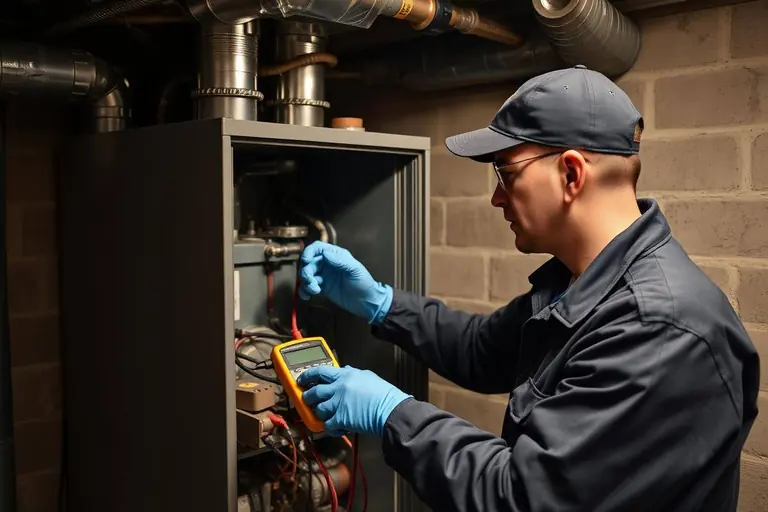
Mention specifically whether heat keeps coming after the thermostat shows satisfied — that detail points straight at a stuck valve or relay rather than a setting issue.
For zoned or hydronic systems, ask the technician to test each zone valve individually rather than only checking the main control.
If overheating is worst on sunny days in one room, mention that too, since it may call for window treatment advice rather than a mechanical repair.
What a hvac technician actually does on this job →
How to prevent a house that stays hot in cold weather coming back
- Have a zoned system's valves and dampers checked annually as part of routine maintenance
- Recalibrate or replace an aging thermostat every several years
- Consider a dedicated zoning system if upper and lower floors consistently run at different temperatures
Frequently asked questions
Why does my house get hot even though the heat should have shut off?
If heat keeps coming after the thermostat shows the setpoint is satisfied, suspect a stuck zone valve, damper, or relay keeping the heating call active regardless of the thermostat.
Why is my upstairs so much hotter than downstairs when the heat is on?
Warm air naturally rises through a house, and if the thermostat is downstairs, it may keep calling for heat well after the upstairs has already become uncomfortably warm.
Can sunlight really overheat a room on a cold day?
Yes — a room with large sun-facing windows can gain significant passive heat even in cold weather, and that combined with active heating can push the room noticeably above the rest of the house.
Should I close vents in the hot room to fix it?
That usually backfires by raising pressure in the duct system and pushing more air into other open registers rather than solving the imbalance; rebalancing dampers properly is a better fix.
Is a stuck zone valve dangerous?
It's not typically a safety hazard, but it wastes fuel or electricity continuously and should be repaired by a technician once identified.
Why does my thermostat say the target temperature is reached but the room still feels hot?
That mismatch points at either a control or relay fault keeping heat running, or a thermostat that's misplaced or miscalibrated relative to the room in question.
Related problems
- Why Is My House Getting Hot Upstairs?
- Why Is My House Cold When It's Warm Outside?
- Why Is My House So Hot?
- Why Is My House Using So Much Electricity?
Sources
- U.S. Department of Energy — Heating Systems
- ACCA — Manual J residential load calculation standard
- Carrier — technical resources
- ENERGY STAR — smart thermostat guidance
- ASHRAE Standard 55 — Thermal Environmental Conditions for Human Occupancy