
Why Is My House Using So Much Electricity?
Reviewed 2026-08-01 · How we research
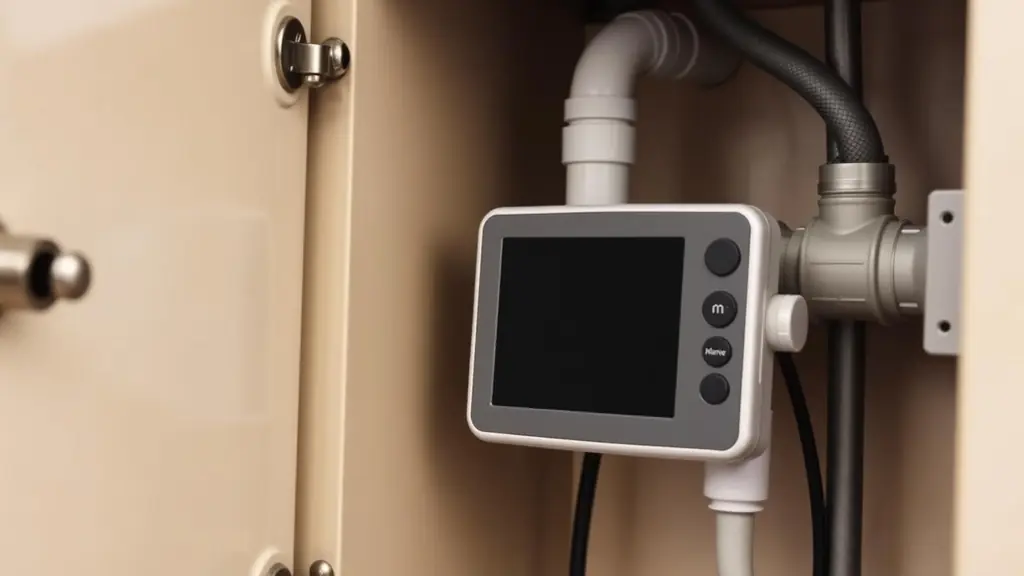
Quick answer: using so much electricity
Unexpectedly high electricity use usually traces to HVAC (especially electric resistance heat), a failing water heater, a large appliance running inefficiently, or a big new load like an EV charger or pool pump. Compare kilowatt-hours (kWh), not dollars, against the same month last year before assuming a rate increase.
Get it inspected
High electricity use isn't a safety hazard on its own, but a sudden or unexplained jump can indicate a failing appliance, a malfunctioning HVAC component, or an electrical fault worth investigating within a few weeks.
Before diagnosing anything, separate a real usage increase from a rate increase. Utility bills combine your consumption (measured in kilowatt-hours, or kWh) with the rate the utility charges per kWh, and rates change independent of anything happening in your house. Compare kWh, not dollars, against the same month in a prior year to see whether you're actually using more electricity.
Once a real usage increase is confirmed, the biggest residential electricity consumers are heating and cooling, water heating, and any large continuous load like a pool pump, well pump or EV charger. Work through the list below in rough order of typical impact.
Warning signs of using so much electricity
- This month's kWh usage is meaningfully higher than the same month last year
- A specific appliance or room feels warmer than expected when running
- A breaker for a major appliance feels warm or trips more than usual
- Utility usage graphs (if your provider offers them) show a new daily spike
- A recently added appliance or system coincided with the bill increase
Most likely causes of using so much electricity, ranked
1. HVAC system running longer or less efficiently than before
Most common — the largest electricity user in most homes
Heating and cooling typically account for the largest share of residential electricity use. A dirty filter, low refrigerant, a failing capacitor, or an aging compressor can all force the system to run longer to reach the same comfort level, and a heat pump running its electric resistance backup heat strip during cold snaps can spike usage sharply, since resistance heat is far less efficient than compressor-based heating.
10-minute self-test: Check whether a heat pump's backup or 'emergency heat' setting has been running, and time how long cooling or heating cycles last compared to before. Noticeably longer cycles point at reduced HVAC efficiency.
This cause is not a DIY repair — it needs a home energy auditor, electrician or hvac technician.
2. Electric resistance auxiliary or backup heat running more than expected
Very common in heat pump homes during cold weather
Heat pumps use efficient compressor-based heating most of the time, but switch to electric resistance backup strips when outdoor temperatures drop very low or when the thermostat calls for a large, fast temperature increase. That backup heat can use several times more electricity per hour than normal heat pump operation, and a thermostat set to jump several degrees at once, or a stuck backup-heat relay, can leave it running far more than needed.
10-minute self-test: Check the thermostat for an 'auxiliary heat' or 'emergency heat' indicator during normal operation. If it lights up often even in moderately cold weather, backup heat may be engaging more than it should.
This cause is not a DIY repair — it needs a home energy auditor, electrician or hvac technician.
3. An aging or oversized water heater
Common, especially with tank units over 10 years old
Water heating is typically the second- or third-largest electricity user in a home. Sediment buildup in an electric tank water heater forces the heating element to work harder and longer, and a failing thermostat or element can cause a unit to run far more than needed to maintain temperature.
10-minute self-test: Check the water heater's age (usually on a label) and listen for it running unusually often, or check if water takes longer than before to get hot, both signs of reduced efficiency.
This cause is not a DIY repair — it needs a home energy auditor, electrician or hvac technician.
4. Pool, spa or well pump equipment running longer or more often
Common where present, easy to overlook
Pool pumps, spa heaters and well pumps often run on schedules or automatic controls that can drift over time, or run continuously if a control fails or a pressure switch malfunctions. These are large, continuous loads that can add substantially to a bill without any obvious sign inside the house.
10-minute self-test: Check the actual runtime schedule programmed into pool or well pump controls against what's actually needed, and listen for a well pump or pressure tank cycling unusually often.
5. A new or increasingly used EV charger
Common and often the exact-sized cause of a bill jump
Level 2 EV charging can use a meaningful amount of electricity per full charge, and a new EV, a longer commute, or more frequent charging can each show up as a large, fairly predictable jump in monthly kWh usage that lines up closely with charging habits.
10-minute self-test: Compare the timing of the electricity increase to when EV ownership started or charging habits changed. Many utilities also show time-of-use charging patterns on the account portal.
6. A malfunctioning refrigerator, freezer or other major appliance
Common, especially with older units
A refrigerator or freezer with a failing door seal, a dirty condenser coil, or a worn compressor runs far more than a properly working unit to maintain the same internal temperature, since it's constantly fighting a loss of cold air or a hotter external environment.
10-minute self-test: Check door seals with a piece of paper — if it slides out easily with the door closed, the seal is worn. Vacuum dust from the condenser coils (usually at the back or bottom) and see if the compressor runs less afterward.
7. A portable or whole-house dehumidifier running frequently
Less common but a real seasonal driver
Dehumidifiers, especially older or undersized units working against a genuinely humid space, can run for many hours a day. This is easy to overlook because the unit is often out of the way in a basement or utility room.
10-minute self-test: Check the dehumidifier's runtime and settings — if it's running nearly continuously, either the humidity source needs addressing or the unit is undersized for the space.
8. A sump pump cycling excessively due to a groundwater or plumbing issue
Less common but noticeable when present
A sump pump that runs far more often than normal, because of unusually wet ground conditions, a plumbing leak feeding the pit, or a failing check valve letting water flow back down, adds a load that's easy to miss since it's typically in a basement or crawlspace.
10-minute self-test: Listen for or check how often the sump pump cycles over a day. Frequent cycling without recent heavy rain suggests an ongoing water source or a mechanical issue worth investigating.
9. Duct leakage, air leaks or inadequate insulation forcing HVAC to work harder
Common as a root cause behind higher HVAC electricity use
ENERGY STAR estimates typical duct systems lose 20-30% of moved air to leaks, and gaps in insulation or air sealing force the HVAC system to run longer to maintain the same indoor temperature, which shows up as higher electricity use even though nothing about the equipment itself has changed.
10-minute self-test: Feel for drafts around windows, doors, outlets and the attic hatch, and check for uninsulated or thin areas in the attic. These often coincide with a home whose HVAC electricity use is proportionally higher for its size.
This cause is not a DIY repair — it needs a home energy auditor, electrician or hvac technician.
Your 10-minute check list for using so much electricity
- Pull your last 12-24 months of kWh usage (not dollar amounts) from your utility account and compare the same months year over year
- Check the thermostat for auxiliary or emergency heat indicators
- Inspect refrigerator and freezer door seals and clean condenser coils
- Review pool, spa, well pump or EV charger schedules and runtimes
- Check the water heater's age and listen for unusually frequent cycling
What it costs to fix using so much electricity
| Cause / repair | DIY cost | Professional cost |
|---|---|---|
| Refrigerator seal or coil cleaning | $0–$30 | $100–$250 |
| Water heater element or thermostat replacement | $40–$100 | $200–$500 |
| Duct sealing | n/a | $450–$1,800 |
| Attic insulation top-up | $300–$800 | $1,500–$4,000 |
| HVAC service call (capacitor, refrigerant, sensor) | n/a | $150–$600 |
| Home energy audit | n/a | $200–$700 |
| Sump pump or well pump repair | n/a | $300–$1,200 |
See the full cost breakdown for this repair →
DIY fixes for using so much electricity
Compare kWh, not dollars, month over month and year over year
Most utility portals show historical kWh usage. This isolates whether you're actually using more electricity or simply paying a higher rate.
Clean refrigerator and freezer coils and check door seals
Dust-free coils and tight seals let these appliances run their normal duty cycle instead of fighting constant heat gain.
Check and correct the thermostat schedule, especially for heat pumps
Avoid large setback jumps that trigger electric resistance backup heat; use smaller, gradual setpoint changes instead.
Review and right-size pool, spa or well pump run schedules
Many of these run on timers that were never adjusted after installation and can often be reduced without affecting function.
Mistakes to avoid with using so much electricity
- Comparing bill dollar amounts month to month without checking kWh — rate changes can make usage look higher or lower than it really is
- Assuming a bill jump is 'just inflation' without checking for a specific new or malfunctioning load
- Ignoring an auxiliary/emergency heat indicator on a heat pump thermostat — it often means a real efficiency or setting problem, not just cold weather
Where homeowners waste money on using so much electricity
- Plug-in 'energy saver' devices marketed to reduce whole-house electricity use — they have no meaningful effect on real consumption
- Switching electricity providers based on advertised rates without confirming your actual kWh usage first — a lower rate doesn't help if usage itself is the real problem
- Replacing an appliance before confirming it's actually the source, using a plug-in watt meter or utility disaggregation data if available
When to call a home energy auditor, electrician or hvac technician about using so much electricity
Ask a home energy auditor for a blower-door test and infrared scan — these pinpoint exactly where air leakage and insulation gaps are forcing HVAC to work harder, rather than guessing.
If a heat pump's auxiliary heat runs often, ask a technician to check both the outdoor thermostat lockout setting and the compressor's actual heating capacity, since a failing compressor forces the system to rely on backup heat more than it should.
Request an electrician check any dedicated circuits (EV charger, pool equipment, well pump) for excessive draw if usage jumped and none of the obvious culprits explain it.
What a home energy auditor, electrician or hvac technician actually does on this job →
How to prevent using so much electricity coming back
- Check your utility's kWh usage history monthly, not just the bill total
- Schedule annual HVAC maintenance to catch efficiency losses before they show up on a bill
- Clean refrigerator coils and check appliance door seals twice a year
- Have a home energy audit done every few years, especially in a home over 15 years old
Why Is My House Using So Much Electricity — questions homeowners ask
Should I compare my bill in dollars or in kWh to figure out if I'm using more electricity?
Compare kilowatt-hours (kWh), not dollar amounts. Utility rates change independent of your household, so a higher bill in dollars doesn't necessarily mean you used more electricity.
What usually uses the most electricity in a house?
Heating and cooling typically account for the largest share, followed by water heating and any large continuous load like a pool pump, well pump or EV charger.
Why did my electric bill jump specifically in winter?
If you have a heat pump, check whether its electric resistance backup or 'emergency heat' has been running more than usual — that backup heat uses substantially more electricity than normal heat pump operation.
Can a bad refrigerator seal really affect my whole bill?
It can add up meaningfully over a month, since a worn seal forces the compressor to run far more often to compensate for constant cold-air loss, especially in an older unit.
How do I know if my electricity increase is from a new appliance or a malfunction?
Compare the timing of the increase to any recent additions (EV, pool, new appliance) first. If nothing new was added, check HVAC runtime, water heater age, and appliance condition for signs of declining efficiency.
Is it worth getting a home energy audit if I can't find the cause myself?
Yes. A professional home energy audit uses tools like blower-door testing and infrared scanning to identify air leakage, insulation gaps and equipment inefficiencies that aren't visible or measurable with basic homeowner checks.
Can duct leaks increase my electric bill even if my AC seems to work fine?
Yes. Leaky ducts force the HVAC system to run longer to deliver the same comfort, which increases electricity use even though the equipment itself hasn't changed or failed.
Problems related to using so much electricity
- Why Is My House Getting High Energy Bills?Same part of the house — High energy bills usually come from HVAC-related losses: duct leakage, an aging or oversized system, poor attic insulation, and air leaks around windows and doors.Heating, Cooling & Air Low urgency — monitor
- Why Is My House So Hot?A hot house is usually attic heat and window solar gain overwhelming an air conditioner that cannot keep up.Heating, Cooling & Air Get it inspected
- Why Is My House So Cold in Winter?A house that's cold every winter, even with heat running, is most often losing heat through thin attic insulation and air leaks at the attic plane, rim joist, windows and doors — not a broken furnace.Heating, Cooling & Air Get it inspected
- Why Is My House Getting an AC That Runs Constantly?An AC that runs constantly without reaching the thermostat setpoint is usually low on refrigerant, has a dirty condenser or evaporator coil restricting heat exchange, or is undersized for the house.Heating, Cooling & Air Get it inspected
- Why Is My House Humidity So High?Chronically high whole-house humidity is almost always a combination of outdoor moisture entering the building, indoor moisture (showers, cooking, laundry) not being exhausted outside, and an air conditioner or dehumidifier that isn't removing enough water vapor.Moisture, Water & Mold Get it inspected
- Why Is My House Getting Sweating Air Ducts?Air ducts sweat when cold air inside the duct chills the metal or duct board surface below the surrounding air's dew point, and insufficient or damaged duct insulation is the most common reason that surface stays cold enough to condense.Moisture, Water & Mold Get it inspected
Sources used for using so much electricity
- U.S. Department of Energy — Home Energy Assessments
- ENERGY STAR — Heating and Cooling Guide
- U.S. Department of Energy — Dehumidifiers
- U.S. EPA — Indoor Air Quality: Moisture Control