
Why Is My House So Cold in Winter?
Reviewed 2026-08-01 · How we research
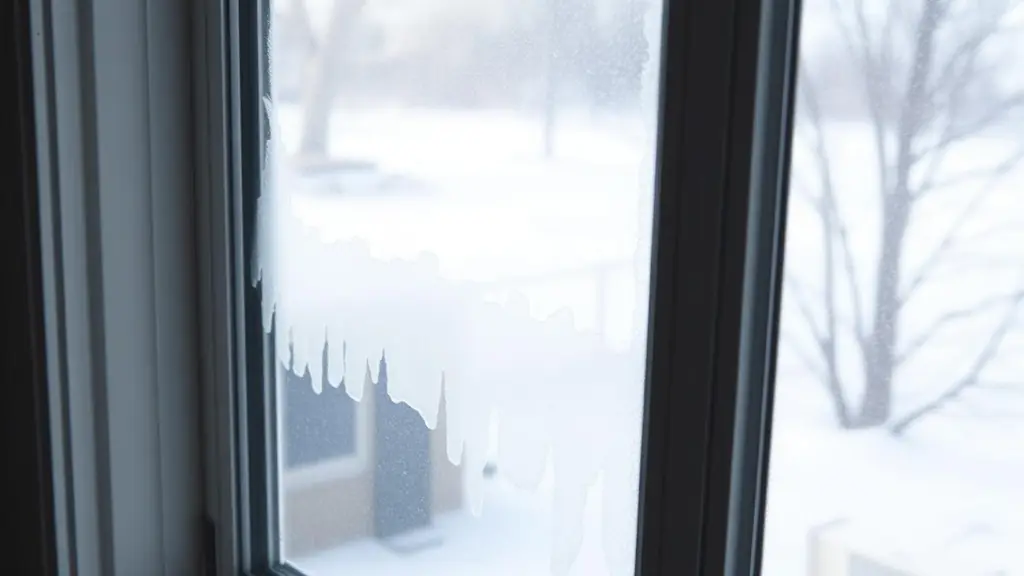
Quick answer: a house that feels so cold in winter
A house that's cold every winter, even with heat running, is most often losing heat through thin attic insulation and air leaks at the attic plane, rim joist, windows and doors — not a broken furnace. ENERGY STAR data shows air sealing and insulation upgrades typically deliver the biggest comfort gains per dollar.
Get it inspected
Uncomfortable and expensive through the season, but not urgent unless indoor temperature drops near freezing, which raises pipe-freeze risk.
Winter cold that shows up every year, rather than a sudden new problem, is usually about the building envelope — how well the house holds the heat it makes — rather than the heating equipment itself. The fixes here are largely about insulation, air sealing and duct performance, and they tend to pay for themselves faster than most people expect.
Work through the envelope causes below roughly in the order given, since air sealing and attic insulation are typically both the most common findings and the best return on investment, according to ENERGY STAR's home sealing guidance.
Warning signs of a house that feels so cold in winter
- The house feels cold every winter despite a working furnace
- Upstairs and downstairs temperatures differ noticeably
- Rooms near exterior walls or above a garage stay chilly
- Drafts are noticeable near outlets, baseboards, or window trim
- Energy bills spike every winter beyond what the weather explains
Most likely causes of a house that feels so cold in winter, ranked
1. Thin or missing attic insulation
Most common finding in older homes
The Department of Energy recommends R-49 to R-60 of attic insulation for most US climates, roughly 16–22 inches of blown fiberglass or cellulose. Many homes built before the 1990s still have only 4-6 inches, letting heat escape through the ceiling continuously all winter.
10-minute self-test: Measure attic insulation depth with a tape measure in several spots. Under 10 inches means significant ongoing heat loss through the ceiling plane.
2. Air leaks at the attic plane, top plates and chases
Very common
Gaps around recessed lighting, plumbing and wiring chases, the attic hatch, and top plates let warm indoor air escape into the attic continuously, pulling cold air in elsewhere to replace it. ENERGY STAR guidance treats air sealing as the step to do before adding insulation, since insulation alone doesn't stop moving air.
10-minute self-test: On a cold, windy day, run exhaust fans to depressurize the house and walk the attic hatch and ceiling penetrations with a lit incense stick. Smoke pulling toward a gap indicates a leak.
3. Rim joist and basement leakage
Common
The band of framing where the foundation wall meets the floor structure is frequently uninsulated or only lightly stuffed with a decorative batt, and gaps here let cold basement air rise into the living space through the stack effect.
10-minute self-test: In the basement, look at the rim joist band for visible gaps, and feel for a draft with your hand run along the top of the foundation wall.
4. Old windows and doors leaking air and losing heat
Common, especially with single-pane or original windows
Older windows lose heat both through the glass itself and through gaps in aging weatherstripping and frames, and doors without a proper sweep let a continuous stream of cold air in at floor level.
10-minute self-test: Hold a lit candle or lit incense stick near window and door edges on a windy day; visible movement of the flame or smoke indicates air leakage.
5. Duct leakage in an unconditioned attic or crawlspace
Common in homes with ducted heating
Ducts running through unconditioned spaces lose a portion of their heat to that space before air even reaches the register, and leaking joints compound the loss.
10-minute self-test: Compare register airflow and warmth between a room near the furnace and one at the far end of the ductwork; a large gap points to duct losses.
6. HVAC performance issues layered on top of envelope loss
Less common as the primary cause but worth checking
A dirty filter, aging equipment, or a system nearing the end of its service life will underperform, and that shortfall becomes obvious specifically in winter when heat loss is at its highest.
10-minute self-test: Replace the filter and time furnace burner cycles; cycles that run under five minutes repeatedly suggest a system-side issue worth a technician visit.
7. Room-to-room temperature imbalance
Common in multi-story homes
Warm air naturally rises, leaving lower floors and rooms far from the furnace colder, especially in homes with a single thermostat controlling the whole house.
10-minute self-test: Compare thermometer readings room to room at the same height off the floor; consistent multi-degree differences point to distribution or zoning rather than total heat loss.
8. Uninsulated or vented crawlspace
Common in crawlspace homes
A vented crawlspace sits close to outdoor temperature all winter, and floors above it lose heat radiantly even with some underfloor insulation, especially if batts have sagged or fallen.
10-minute self-test: Use an infrared thermometer on the floor above the crawlspace versus an interior wall; a gap of more than a few degrees points to the floor assembly.
9. Uncontrolled ventilation or an oversized exhaust fan running too much
Least common but a real factor
A bathroom or whole-house fan left running excessively, or an older furnace with an always-open combustion air intake, can pull more outdoor air into the house than intended, adding to the heating load.
10-minute self-test: Check whether any exhaust fans or vents are inadvertently left running continuously, and note any always-open fresh-air intake near the furnace.
Your 10-minute check list for a house that feels so cold in winter
- Measure attic insulation depth in several spots
- Run the incense-stick draft test at the attic hatch and rim joist
- Check window and door edges for airflow with a candle or incense
- Compare register airflow near and far from the furnace
- Confirm no exhaust fans are running continuously
What it costs to fix a house that feels so cold in winter
| Cause / repair | DIY cost | Professional cost |
|---|---|---|
| Air sealing (caulk, foam, weatherstripping) | $50–$150 | $800–$2,500 |
| Blown attic insulation to R-49 | $500–$1,200 | $1,700–$4,500 |
| Rim joist foam insulation | $100–$300 | $600–$1,500 |
| Duct sealing with mastic | $30–$80 | $900–$3,000 |
| Weatherstripping and door sweeps | $15–$60 per door | $150–$300 per door |
| Home energy audit with blower-door test | n/a | $300–$600 |
| Window replacement (whole house) | n/a | $8,000–$25,000 |
See the full cost breakdown for this repair →
DIY fixes for a house that feels so cold in winter
Seal the attic hatch first
Add weatherstripping around the frame and a rigid foam box on top of the panel; it's often the single largest hole in the ceiling plane.
Foam the rim joist in the basement
Cut rigid foam to fit each bay along the foundation wall and seal edges with canned spray foam to stop cold air entering at the base of the stack effect.
Add door sweeps and replace worn weatherstripping
A visible gap of daylight around a closed door is a continuous cold-air leak that costs under $20 in materials to close.
Top up attic insulation only after air sealing is done
Insulation over unsealed gaps buries the leak rather than fixing it, so sealing first, then insulating, produces the real gain.
Mistakes to avoid with a house that feels so cold in winter
- Don't add attic insulation over unsealed air leaks — seal first
- Don't cover soffit vents when adding insulation, which can cause moisture and ice-dam problems
- Don't assume a colder-than-usual winter means the furnace is failing before checking the envelope
Where homeowners waste money on a house that feels so cold in winter
- Replacing windows before air sealing the attic and rim joist, which usually deliver more comfort per dollar
- Buying a bigger furnace to compensate for an envelope that's losing heat quickly
- Space heaters used as a long-term substitute for envelope repairs, which raise electric bills without solving the cause
When to call a home energy auditor or insulation contractor about a house that feels so cold in winter
Ask for a blower-door test as part of the audit; it quantifies total air leakage rather than guessing from a walkthrough.
Have the auditor check attic insulation depth and duct condition together, since they're usually accessed at the same time.
Prioritize air sealing and insulation before considering equipment replacement, since a tighter envelope may mean smaller equipment is sufficient.
What a home energy auditor or insulation contractor actually does on this job →
How to prevent a house that feels so cold in winter coming back
- Get a home energy audit with a blower-door test to prioritize which leaks matter most
- Re-check attic insulation depth every few years, since it settles and compacts
- Replace worn weatherstripping annually before the heating season
Why Is My House So Cold in Winter — questions homeowners ask
Is a cold house in winter always about the furnace?
No — in most cases the furnace is working fine and the house is simply losing heat faster than average through thin insulation and air leaks in the envelope.
How much attic insulation do I actually need?
The Department of Energy recommends R-49 to R-60 for most US climates, roughly 16–22 inches of blown fiberglass or cellulose, well beyond the 4-6 inches common in older homes.
Why is my upstairs warmer than downstairs in winter?
Warm air naturally rises through a house, a pattern called stack effect, which tends to leave lower floors relatively cooler unless the system is zoned or balanced to compensate.
Does sealing air leaks really matter as much as insulation?
Yes — ENERGY STAR guidance recommends air sealing before or alongside insulation, since insulation alone slows conductive heat loss but does nothing to stop moving air carrying heat straight out of the house.
Can a home energy audit tell me exactly where the heat is going?
A blower-door test combined with an infrared camera can pinpoint specific leak locations and give a measured air-changes-per-hour number, rather than the general estimate a walkthrough alone provides.
Will fixing the crawlspace help if my house is a slab or basement instead?
No — the crawlspace-specific causes only apply if you have one; for slab or basement homes, focus on the attic, rim joist, and window/door sealing instead.
Problems related to a house that feels so cold in winter
- Why Is My House So Cold?Same part of the house — Most cold houses lose heat through air leaks and thin attic insulation, not through a weak furnace.Heating, Cooling & Air Get it inspected
- Why Is My House Getting Drafty Windows?Windows feel drafty most often because of worn weatherstripping, gaps in the frame's air-sealing caulk, or old single-pane glass with no insulating value.Windows, Doors & Exterior Low urgency — monitor
- Why Is My House Getting Ice Dams on the Roof?Ice dams form when heat escaping into the attic melts snow on the upper roof, and the meltwater refreezes at the colder, unheated eave, building a ridge of ice that backs water up under the shingles.Roof, Attic & Gutters Get it inspected
- Why Is My House Getting High Energy Bills?High energy bills usually come from HVAC-related losses: duct leakage, an aging or oversized system, poor attic insulation, and air leaks around windows and doors.Heating, Cooling & Air Low urgency — monitor
- Why Is My House So Cold Even With the Heating On?Same part of the house — When heat runs constantly but the house stays cold, airflow is usually restricted by a dirty filter or leaky ducts, or the heat pump is struggling in cold weather without backup heat engaging.Heating, Cooling & Air Urgent — act now
Sources used for a house that feels so cold in winter
- U.S. Department of Energy — Heating Systems
- ENERGY STAR — Home Sealing and Insulation
- ENERGY STAR — Attic Insulation and Air Sealing
- U.S. DOE Building America — crawlspace and foundation moisture control
- ACCA — Manual J residential load calculation standard