
Why Is My House Getting Ice Dams on the Roof?
Reviewed 2026-07-30 · How we research
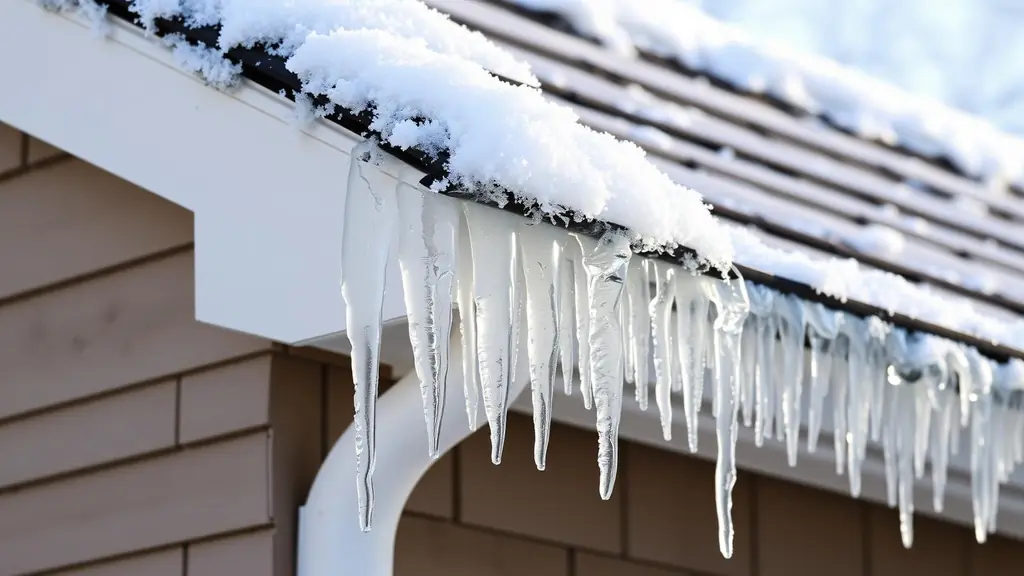
Quick answer: ice dams on the roof
Ice dams form when heat escaping into the attic melts snow on the upper roof, and the meltwater refreezes at the colder, unheated eave, building a ridge of ice that backs water up under the shingles. The root cause is almost always insufficient attic insulation or ventilation, not the roofing material itself.
Get it inspected
Ice dams that are small and melt off within a day are a low-level nuisance. Thick, recurring ice dams with any sign of interior water staining mean active roof leakage and need prompt attic and roof correction.
Ice dams are a heat-loss problem disguised as a roofing problem. A roof at a uniform, cold temperature doesn't form dams — snow just sits until it melts from sunlight. Dams form specifically when the upper roof is warmer than the eave, which happens when heated attic air escapes through insufficient insulation or air sealing.
Fixing an ice dam permanently means fixing the attic, not just chipping ice off the roof edge.
Warning signs of ice dams on the roof
- Icicles hanging from the gutters or eaves
- A visible ridge of ice at the roof edge with water pooling behind it
- Interior ceiling stains near exterior walls appearing specifically in winter
- Attic insulation that's wet or matted near the eaves
- Uneven snow melt on the roof — bare patches over the attic center, snow-covered at the eaves
Most likely causes of ice dams on the roof, ranked
1. Insufficient or unevenly distributed attic insulation
Most common root cause
When attic insulation is too thin or has settled unevenly, heat from the living space below escapes upward and warms the roof deck from underneath, melting snow on the upper roof even while the eave overhang — which has no heated space beneath it — stays cold. Meltwater running down refreezes right at that cold-to-warm transition.
10-minute self-test: On a snowy day, look at the roof from the street: bare or thin snow over the main roof field with a thick band of snow and ice remaining right at the eaves is the classic ice dam signature.
This cause is not a DIY repair — it needs a roofing contractor or insulation contractor.
2. Air leaks from the living space into the attic
Very common and often the primary driver even with adequate insulation
Gaps around recessed lights, bathroom exhaust fans that vent into the attic instead of outside, unsealed attic hatches, and plumbing stack penetrations let warm, moist air bypass the insulation entirely and heat the roof deck directly, which is often a bigger contributor to ice dams than insulation R-value alone.
10-minute self-test: On a cold day, check the attic for frost on the underside of the roof sheathing directly above can lights, the attic hatch, or exhaust fan penetrations — frost there indicates warm air leaking up.
This cause is not a DIY repair — it needs a roofing contractor or insulation contractor.
3. Inadequate or blocked soffit and ridge ventilation
Common and compounds the insulation problem
Proper attic ventilation keeps the roof deck at outdoor temperature by continuously flushing any heat that does escape. Code baseline is about 1 square foot of net free vent area per 150 square feet of attic floor, balanced between soffit intake and ridge exhaust. Insulation stuffed into soffit vents, or a ridge vent blocked by shingle overspray, breaks this airflow and lets heat pool at the roof deck.
10-minute self-test: Check whether soffit vents are visibly blocked by insulation from inside the attic, and confirm a ridge or gable vent is present and unobstructed.
4. A low-slope roof section or complex roofline that traps snow
Common on additions, dormers and roof valleys
Roof valleys, low-slope porch roofs, and areas where an addition meets the main roofline collect more snow and drain more slowly, making them more prone to ice damming even with good attic conditions elsewhere in the house.
10-minute self-test: Check whether the ice dam recurs in the same spot each winter — a valley, dormer, or low-slope section — rather than uniformly across all eaves.
5. No ice-and-water shield membrane at the eaves
Common in roofs installed before modern code adoption
IRC R905.1.2 requires a self-adhering ice barrier extending from the eave to at least 24 inches inside the exterior wall line in regions with a history of ice damming. Roofs without this membrane have only standard underlayment protecting the eave, which isn't designed to resist standing water backed up by an ice dam.
10-minute self-test: Check your roofing invoice or ask a roofer to confirm whether an ice-and-water shield was installed at the eaves during the last roof replacement.
This cause is not a DIY repair — it needs a roofing contractor or insulation contractor.
Your 10-minute check list for ice dams on the roof
- Check attic insulation depth and evenness, especially near the eaves.
- Look for frost on the roof deck above recessed lights, fans, and the attic hatch.
- Confirm soffit vents are not blocked by insulation.
- Note whether dams recur in the same location each year.
- Use a roof rake from the ground to remove snow within 3–4 feet of the eave after storms.
What it costs to fix ice dams on the roof
| Cause / repair | DIY cost | Professional cost |
|---|---|---|
| Roof rake snow removal | $40–$80 (tool) | $150–$400 per visit |
| Ice dam steaming/removal service | n/a | $400–$1,000 |
| Air sealing attic penetrations | $50–$150 | $400–$1,200 |
| Adding attic insulation to code depth | $400–$1,200 | $1,500–$4,500 |
| Soffit/ridge vent correction | $100–$300 | $500–$2,000 |
| Ice-and-water shield installation (with reroof) | n/a | $1,000–$3,000 added to reroof cost |
| Full roof replacement with proper detailing | n/a | $8,500–$22,000 |
See the full cost breakdown for this repair →
DIY fixes for ice dams on the roof
Rake snow off the lower roof edge
A roof rake used from the ground to remove snow within 3–4 feet of the eave after storms reduces the meltwater available to form a dam — do this before ice forms, not after.
Seal accessible attic air leaks
Caulk or foam around the attic hatch, plumbing stacks, and wiring penetrations you can safely reach — this stops warm air bypass cheaply.
Never use a hammer or chisel on roof ice
Removing ice dams by force from the roof can tear shingles and cause more damage than the dam itself; use calcium chloride socks laid perpendicular across the dam to melt channels instead.
Mistakes to avoid with ice dams on the roof
- Chipping or hammering ice off the roof — it damages shingles and risks injury.
- Adding insulation without first air-sealing penetrations — trapped warm air will still reach the roof deck.
- Assuming new gutters or gutter guards will stop ice dams — the cause is attic heat loss, not the gutters.
Where homeowners waste money on ice dams on the roof
- Repeated professional ice-dam steaming without ever correcting the attic insulation or air sealing.
- Heat cables installed as the only fix — they help locally but don't stop the underlying heat loss from recurring.
When to call a roofing contractor or insulation contractor about ice dams on the roof
Fix the attic — insulation and air sealing — before spending money on roof-level fixes; a roofer without an insulation partner is only treating the symptom.
Have a blower-door or infrared attic inspection done in winter to pinpoint exact air-leak locations rather than guessing.
If a roof replacement is due anyway, insist on ice-and-water shield at the eaves per IRC R905.1.2, especially in cold climates.
What a roofing contractor or insulation contractor actually does on this job →
How to prevent ice dams on the roof coming back
- Insulate the attic to current code R-value recommendations for your climate zone.
- Air seal all penetrations between living space and attic before adding insulation.
- Confirm balanced soffit-to-ridge ventilation at roughly 1:150 net free area.
- Route bathroom exhaust fans outside, never into the attic.
- Have ice-and-water shield installed at the eaves during any roof replacement.
Why Is My House Getting Ice Dams on the Roof — questions homeowners ask
Do heat cables stop ice dams?
They can create a channel for meltwater to escape but don't fix the root cause. Without correcting attic insulation and air sealing, ice dams will keep forming around and above the cables.
Why does my roof have bare patches with snow still at the edges?
That pattern means heat is escaping through the attic and melting snow over the warmer, insulated part of the roof, while the unheated eave overhang stays cold and refreezes the runoff — the classic ice dam signature.
Can ice dams cause a leak even with a new roof?
Yes, if the eaves lack an ice-and-water shield membrane or the ice dam is severe enough to back water up higher than the shield extends. A newer roof reduces but doesn't eliminate the risk without proper attic conditions.
Is it safe to remove an ice dam myself?
Removing snow with a roof rake from the ground is safe. Climbing onto an icy roof or chipping at ice is not, and hammering can tear shingles — use calcium chloride socks or hire a professional steaming service instead.
Problems related to ice dams on the roof
- Why Is My House Getting a Ceiling Stain?Often shows up alongside this problem. Ceiling stains almost always come from water tracking along roof sheathing or rafters from a leak at flashing, a valley or a vent boot, or from a plumbing leak in a bathroom or HVAC line above.Roof, Attic & Gutters Get it inspected
- Why Is My House Getting Overflowing Gutters?Often shows up alongside this problem. Gutters overflow most often because of clogged debris blocking flow to the downspout, insufficient slope toward the outlet, undersized gutters or downspouts for the roof area, or gutters pulling away from the fascia.Roof, Attic & Gutters Low urgency — monitor
- Why Is My House So Cold?Most cold houses lose heat through air leaks and thin attic insulation, not through a weak furnace.Heating, Cooling & Air Get it inspected
- Why Is My House Smelling Musty?A musty smell is microbial volatile organic compounds — geosmin and 2-methylisoborneol — released by mold and bacteria digesting damp material.Smells & Odors Get it inspected
Sources used for ice dams on the roof
- US DOE — ice dam formation and attic insulation guidance
- IRC R905.1.2 — ice barrier requirements at eaves
- InterNACHI — attic ventilation and ice dam inspection guidance
- NRCA — ice dam prevention and roofing best practices