
Why Is My House Getting Drafty Windows?
Reviewed 2026-07-30 · How we research
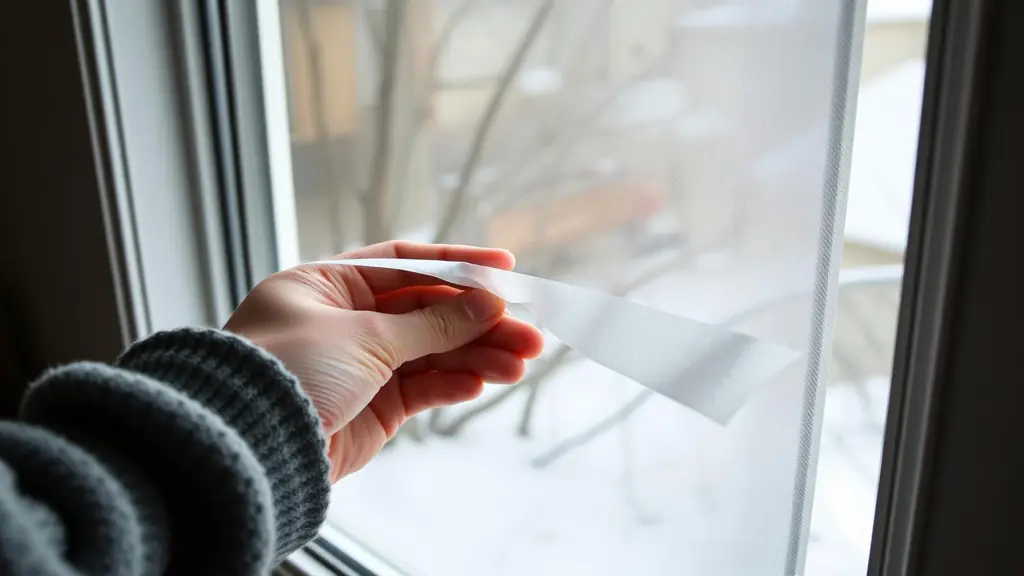
Quick answer: drafty windows
Windows feel drafty most often because of worn weatherstripping, gaps in the frame's air-sealing caulk, or old single-pane glass with no insulating value. A dollar-bill test in the sash and a hand check around the frame perimeter usually identify the exact leak point in a few minutes.
Low urgency — monitor
Drafts are a comfort and energy-cost issue in the large majority of cases, not a safety concern, though ice or condensation buildup around leaky windows in freezing climates can eventually damage the sill and framing if left unaddressed for years.
A draft is moving air, and moving air at a window comes from one of two places: a gap around the sash where it meets the frame, or a gap between the window frame and the rough opening in the wall. Cold glass alone (radiant chill) can feel like a draft but isn't actually air movement.
Distinguishing sash leaks from frame leaks determines whether the fix is a $10 tube of caulk or a window replacement.
Warning signs of drafty windows
- Visible curtain movement near a closed window on a windy day
- A noticeably cold spot felt with a bare hand a few inches from the glass or frame
- Condensation or frost forming between the sash and frame in winter
- A loose or rattling sash when the window is closed and locked
- Visibly cracked, missing, or compressed weatherstripping
Most likely causes of drafty windows, ranked
1. Worn or missing weatherstripping at the sash
Most common cause on windows over 10–15 years old
The foam, felt, or vinyl weatherstripping that seals the moving sash against the frame compresses and degrades with age and sun exposure, opening a gap right where the two window parts meet, even on an otherwise well-built window.
10-minute self-test: Close a dollar bill in the window at several points around the sash and pull — if it slides out easily with little resistance at any point, the seal has failed there.
2. Unsealed gap between the window frame and rough opening
Common, especially after any siding, trim or exterior work
The gap between a window frame and the framed wall opening is supposed to be filled with insulation and sealed with caulk or flashing tape on the exterior. Original construction gaps, or exterior caulk that has cracked and shrunk over the years, let outside air directly into the wall cavity and around the window frame.
10-minute self-test: On a windy day, run a lit incense stick or a hand slowly around the interior trim perimeter — flickering smoke or a felt breeze at the trim (not the glass) indicates a frame-perimeter leak.
3. Single-pane glass or a failed double-pane seal
Common in homes with original windows over 20–30 years old
Single-pane glass has an insulating value (R-value) of roughly R-1, compared to roughly R-3 for double-pane with an insulating gas fill, so a large expanse of single glass radiates cold strongly enough to feel like a draft. A failed double-pane seal, visible as fogging or condensation between the panes, has the same effect once the gas fill has escaped.
10-minute self-test: Check for visible fogging, mineral streaking, or condensation trapped between the panes of a double-pane window, which confirms a failed seal rather than just an air leak.
4. Warped, rotted or out-of-square window frame
Less common but requires more than weatherstripping to fix
Wood frames that have absorbed moisture and warped, or a frame that's shifted slightly out of square from house settling, can prevent the sash from closing tightly no matter how new the weatherstripping is, leaving a persistent gap.
10-minute self-test: Close the window and check visually whether the sash sits flush and even against the frame on all sides, or whether there's a visible wedge-shaped gap on one side.
This cause is not a DIY repair — it needs a window contractor.
5. Missing or damaged exterior caulk and flashing
Common on older siding, especially after repainting cycles
Exterior caulk around the window trim and any flashing above the window are the first line of defense against wind-driven air and water intrusion. Cracked, missing, or painted-over caulk lets wind push air directly into the wall cavity and around the frame from outside.
10-minute self-test: Inspect the exterior trim perimeter for cracked, missing, or gapped caulk lines, particularly at the top corners where water and wind pressure concentrate.
Your 10-minute check list for drafty windows
- Do a dollar-bill test around the sash perimeter.
- Feel for airflow at the interior trim on a windy day.
- Check for fogging or condensation between double-pane glass.
- Inspect exterior caulk and trim for cracks or gaps.
- Check whether the sash closes flush and square against the frame.
What it costs to fix drafty windows
| Cause / repair | DIY cost | Professional cost |
|---|---|---|
| Weatherstripping replacement | $10–$30 per window | $60–$150 per window |
| Interior/exterior caulking | $8–$20 per tube | $150–$400 whole house |
| Window film or plastic sheeting (temporary) | $15–$40 per window | n/a |
| Single window sash/glass replacement | n/a | $250–$700 |
| Full window replacement | n/a | $450–$1,200 per window |
| Whole-house window replacement (10–15 windows) | n/a | $6,000–$18,000 |
See the full cost breakdown for this repair →
DIY fixes for drafty windows
Replace sash weatherstripping
Peel-and-stick foam or V-strip weatherstripping installed along the sash channel closes most air gaps for under $15 per window and takes about 20 minutes.
Caulk the interior and exterior trim
A paintable exterior-grade caulk along both the interior trim and exterior siding-to-trim joint stops perimeter leaks cheaply and quickly.
Use removable window film for a winter fix
Shrink-fit plastic film adds an extra air gap over drafty glass for the season, a low-cost stopgap while budgeting for eventual replacement.
Add a door sweep-style seal to sliding windows
Sliding windows often benefit from the same brush or vinyl sweep seals used on doors, applied to the bottom track.
Mistakes to avoid with drafty windows
- Caulking a window shut that's needed for emergency egress from a bedroom.
- Ignoring a failed double-pane seal — it won't reseal itself and the insulating gas is already gone.
- Painting over weatherstripping instead of replacing it, which stiffens and defeats the seal.
Where homeowners waste money on drafty windows
- Full window replacement when the actual problem is worn weatherstripping that a $15 kit would fix.
- Premium 'draft-proof' caulks and sealants applied over frames that are structurally warped or rotted — they need repair, not just sealant.
When to call a window contractor about drafty windows
Get a window contractor's opinion before committing to full replacement — many drafts are fixed for under $200 total with weatherstripping and caulk across the whole house.
Prioritize replacement for windows with failed double-pane seals or rotted frames, where weatherstripping alone can't solve the problem.
Ask about ENERGY STAR-rated replacements for your climate zone if you do replace, since U-factor and solar heat gain requirements vary significantly by region.
What a window contractor actually does on this job →
How to prevent drafty windows coming back
- Inspect and replace weatherstripping every 8–10 years.
- Recaulk exterior trim joints during routine exterior maintenance cycles.
- Consider storm windows as a cost-effective interim upgrade for older single-pane windows.
- Address exterior caulk failures promptly to prevent moisture intrusion into the wall cavity.
Why Is My House Getting Drafty Windows — questions homeowners ask
How do I find exactly where a window is drafty?
Run a dollar bill test around the sash — if it pulls out easily anywhere, that's a seal gap. Then feel around the interior trim perimeter on a windy day for airflow, which indicates a frame gap rather than a sash gap.
Is cold glass the same as a draft?
No. Cold glass radiates a chill you can feel a few inches away even with no air movement, especially with single-pane or failed double-pane glass. A true draft involves actual moving air, which you can confirm with the dollar-bill or hand test.
Can I fix a drafty window without replacing it?
Often yes. New weatherstripping and fresh caulk resolve the majority of drafts for under $30 per window. Replacement becomes necessary mainly for failed double-pane seals or a rotted, out-of-square frame.
How much does a drafty window cost in energy bills?
The U.S. Department of Energy estimates that heat loss and gain through windows accounts for 25–30% of residential heating and cooling energy use, so multiple leaky windows can measurably raise a monthly utility bill.
Problems related to drafty windows
- Why Is My House Getting Doors That Stick?Often shows up alongside this problem. Doors stick most often because of seasonal wood swelling, loose hinge screws, or paint buildup on the frame — all easy fixes.Foundation & Structure Low urgency — monitor
- Why Is My House So Cold?Most cold houses lose heat through air leaks and thin attic insulation, not through a weak furnace.Heating, Cooling & Air Get it inspected
- Why Is My House Getting Ice Dams on the Roof?Ice dams form when heat escaping into the attic melts snow on the upper roof, and the meltwater refreezes at the colder, unheated eave, building a ridge of ice that backs water up under the shingles.Roof, Attic & Gutters Get it inspected
- Why Is My House Smelling Musty?A musty smell is microbial volatile organic compounds — geosmin and 2-methylisoborneol — released by mold and bacteria digesting damp material.Smells & Odors Get it inspected
Sources used for drafty windows
- US DOE — window energy performance and air-sealing guidance
- ENERGY STAR — window U-factor and climate zone recommendations
- InterNACHI — window and door inspection standards
- IRC — emergency egress window requirements