
Why Is My House Humidity So High?
Reviewed 2026-08-01 · How we research
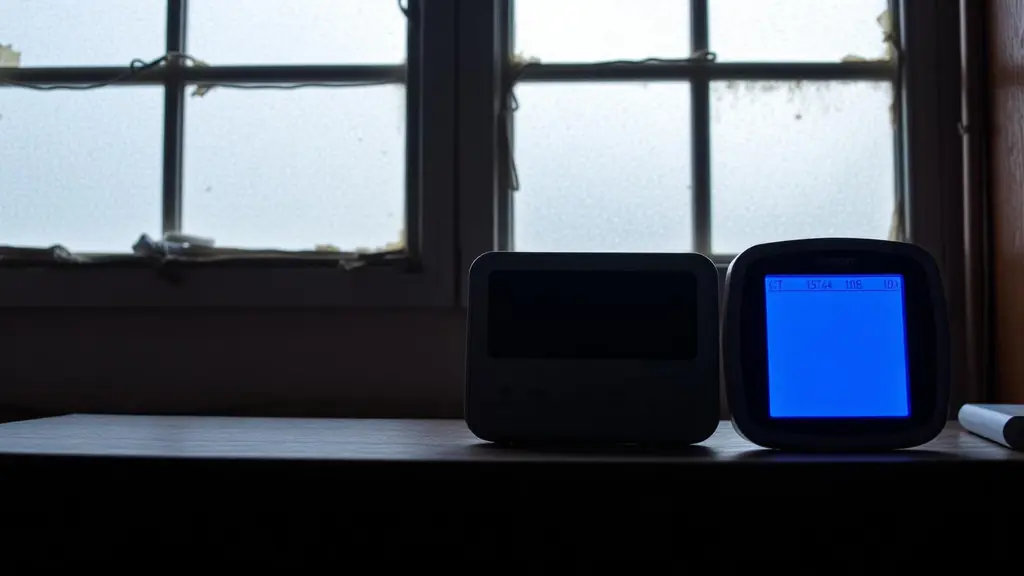
Quick answer: humidity so high
Chronically high whole-house humidity is almost always a combination of outdoor moisture entering the building, indoor moisture (showers, cooking, laundry) not being exhausted outside, and an air conditioner or dehumidifier that isn't removing enough water vapor. The EPA recommends keeping indoor relative humidity between 30% and 50%, never above 60%.
Get it inspected
Relative humidity that stays above 60% for weeks supports mold growth on drywall, dust and wood, and drives up cooling costs. It is not an emergency, but correct it within a season, not years.
Unlike a sudden humidity spike, chronically high indoor humidity builds slowly and usually has more than one contributing cause layered together — a leaky building envelope letting in humid outdoor air, moisture-generating activities inside that aren't vented outdoors, and cooling or dehumidification equipment that isn't sized or running enough to keep up.
The fix almost always starts with measuring, not guessing. A basic hygrometer placed away from vents, kitchens and bathrooms tells you the real number. If it consistently reads above 50–60%, work through the causes below roughly in order, since the first few explain most chronic humidity complaints.
This page covers persistent, ongoing high humidity. If your humidity jumped suddenly rather than building up over time, see the sudden-humidity page instead — that points to an acute problem like a leak or equipment failure rather than a chronic imbalance.
Warning signs of humidity so high
- Hygrometer consistently reads above 55–60% relative humidity
- Windows fog most mornings even in mild weather
- A persistent musty smell in closets, basements or closed rooms
- Clammy or sticky-feeling air even when the thermostat is satisfied
- Wood doors and drawers sticking seasonally
Most likely causes of humidity so high, ranked
1. Humid outdoor air infiltrating through the building envelope
Most common — roughly a third of cases
Gaps around doors, windows, attic hatches, rim joists and duct penetrations let outdoor air leak into the house continuously. In humid climates or during humid seasons, every cubic foot of that infiltrated air carries its outdoor moisture load with it, and the AC has to remove all of it in addition to cooling the space. Older or leaky homes can pull in enough outdoor air that no amount of indoor ventilation control fixes the humidity by itself.
10-minute self-test: On a humid day, run a lit incense stick or a tissue along window and door frames, electrical outlets on exterior walls, and the attic hatch. Visible smoke movement or the tissue fluttering shows an air leak contributing to the load.
This cause is not a DIY repair — it needs a hvac technician or moisture-control specialist.
2. A hidden plumbing leak or ongoing ground moisture source
Common, often overlooked
A slow supply-line leak inside a wall, a dripping water heater, or an irrigation line running near the foundation can add a steady trickle of water vapor to the house for months without ever pooling visibly. Unlike a sudden leak, this kind of source raises the average humidity gradually and is easy to miss because there's no obvious puddle.
10-minute self-test: Turn off every fixture and appliance that uses water, then check your water meter. If it still ticks over 15–20 minutes, water is moving somewhere in the system even though nothing is visibly running.
This cause is not a DIY repair — it needs a hvac technician or moisture-control specialist.
3. A damp basement or crawlspace feeding moisture into living space
Common in houses with unfinished lower levels
Basements and crawlspaces sit against the ground, and bare earth floors, uninsulated foundation walls and unsealed sump pits release water vapor continuously. Stack effect — the natural tendency of warm air to rise through a house — pulls that damp basement or crawlspace air up into living areas even when the space is closed off.
10-minute self-test: Compare a hygrometer reading in the basement or crawlspace access to one in the living area. A basement or crawlspace reading 15+ percentage points higher than upstairs is very likely feeding the whole-house number.
This cause is not a DIY repair — it needs a hvac technician or moisture-control specialist.
4. Insufficient exhaust ventilation for showers, cooking and laundry
Common, especially in tightly sealed or newer homes
A single 10-minute shower releases roughly half a pint of water vapor, and cooking on a stovetop for an hour can add a pint or more. If bathroom and kitchen exhaust fans are undersized, vent into the attic instead of outdoors, or simply aren't run long enough, that moisture stays in the house and raises the whole-house average day after day.
10-minute self-test: Hold a tissue near each exhaust fan grille while it runs — it should hold firmly against the grille. Then check in the attic that each duct actually terminates outside rather than dumping into the attic space.
5. A clothes dryer venting indoors or through a disconnected duct
Less common but adds a large moisture load when present
A dryer evaporates several pints of water per load. A duct that has come loose behind the machine, is crushed, or was never run to the exterior dumps that entire load of warm moist air directly into the house or attic instead of outside.
10-minute self-test: Run the dryer for a few minutes and check outside at the exterior vent hood for strong, unobstructed airflow. If you feel little or no airflow outside, check the duct run behind and beneath the dryer for disconnection.
6. An air conditioner that isn't removing enough moisture
Common in mild or humid climates
Air conditioners dehumidify as a side effect of cooling, by condensing moisture on the cold evaporator coil. If the system is oversized for the space, it satisfies the thermostat quickly and shuts off before it has run long enough to pull much water out of the air, leaving the space cold but still humid. A correctly sized, properly maintained system removes far more moisture per hour of runtime.
10-minute self-test: Watch a full cooling cycle with a stopwatch. If the system regularly runs less than 10-15 minutes per cycle in humid weather, it is likely short-cycling and under-dehumidifying — see the AC-and-humidity page for more on this specific pattern.
This cause is not a DIY repair — it needs a hvac technician or moisture-control specialist.
7. Leaky supply or return ducts pulling in humid attic or crawlspace air
Common in homes with ducts outside conditioned space
ENERGY STAR estimates typical duct systems lose 20–30% of moved air to leaks. A leaky return duct running through a hot attic or damp crawlspace can pull humid unconditioned air into the supply stream, adding moisture the AC then has to fight continuously.
10-minute self-test: With the system running, feel along accessible duct joints and boots in the attic, crawlspace or basement for air movement or dust staining, both signs of a leak at that connection.
This cause is not a DIY repair — it needs a hvac technician or moisture-control specialist.
8. No dedicated dehumidification for a naturally humid climate or lot
Less common as a sole cause, common as the missing piece
In consistently humid regions or on lots with poor drainage, air conditioning alone — especially in shoulder seasons when cooling load is low — often can't keep relative humidity in the 30-50% range the EPA recommends. Homes in these situations typically need a standalone dehumidifier or a whole-house unit tied into the ductwork.
10-minute self-test: Track indoor humidity through a mild, low-cooling-demand week (spring or fall). If it climbs above 60% even though the AC barely runs, added dehumidification capacity is the missing piece.
Your 10-minute check list for humidity so high
- Log indoor relative humidity twice a day for a week with a basic hygrometer
- Compare basement/crawlspace humidity to living-area humidity
- Check that all exhaust fans vent outdoors and pull strongly at the grille
- Confirm the dryer duct is connected, intact and unobstructed at the exterior hood
- Time a full AC cooling cycle in humid weather
What it costs to fix humidity so high
| Cause / repair | DIY cost | Professional cost |
|---|---|---|
| Air-sealing gaps and penetrations | $50–$200 | $300–$1,200 |
| Bathroom/kitchen exhaust fan repair or replacement | $40–$150 | $200–$500 |
| Dryer vent repair or reroute | $30–$100 | $150–$400 |
| Duct sealing | n/a | $450–$1,800 |
| Portable dehumidifier | $150–$300 | n/a |
| Whole-house dehumidifier tied into ductwork | n/a | $1,500–$3,000 |
| AC resizing or replacement for chronic under-dehumidification | n/a | $4,000–$9,000 |
See the full cost breakdown for this repair →
DIY fixes for humidity so high
Run exhaust fans through and after every shower and cooking session
Run bathroom fans 15-20 minutes after showers and kitchen exhaust through cooking, to clear moisture before it spreads through the house.
Air-seal the obvious gaps
Caulk and weatherstrip windows, doors and the attic hatch, and seal penetrations around pipes and wiring on exterior walls.
Add a portable dehumidifier to the worst room or the basement
A properly sized unit set to maintain 45-50% relative humidity handles moisture the AC alone can't remove, especially in shoulder seasons.
Reconnect or replace a damaged dryer vent
Use rigid or semi-rigid metal duct, keep the run as short and straight as possible, and confirm strong airflow at the exterior hood.
Mistakes to avoid with humidity so high
- Running a bigger AC to fix humidity — an oversized unit short-cycles and dehumidifies worse, not better
- Ignoring basement or crawlspace moisture because it's out of sight — it feeds the whole house through stack effect
- Relying on portable dehumidifiers indefinitely instead of fixing an air-sealing or ventilation gap that's causing the load
Where homeowners waste money on humidity so high
- A larger, more powerful AC installed to 'dry out' the house — oversizing worsens humidity control
- Moisture-absorbing crystals or charcoal bags as a whole-house strategy — they have negligible capacity against a real infiltration or ventilation problem
- Repeated mold-killing sprays on visible spots without addressing the humidity source that keeps regrowing it
When to call a hvac technician or moisture-control specialist about humidity so high
Ask a technician to measure actual system runtime and moisture removal, not just supply-air temperature, since a system can cool fine while dehumidifying poorly.
A home energy audit with a blower-door test quantifies how much outdoor air is actually infiltrating, which turns guesswork into a prioritized repair list.
If a whole-house dehumidifier is recommended, confirm it ties into the existing ductwork rather than standing alone, so it treats the whole house rather than one room.
What a hvac technician or moisture-control specialist actually does on this job →
How to prevent humidity so high coming back
- Keep a hygrometer visible and check it weekly
- Have ducts inspected for leaks every few years, especially if they run through attics or crawlspaces
- Service the AC annually, including coil cleaning, so it dehumidifies at full capacity
- Address basement or crawlspace moisture sources before they migrate upstairs
Why Is My House Humidity So High — questions homeowners ask
What indoor humidity level should I be aiming for?
The EPA recommends keeping indoor relative humidity between 30% and 50%, and never letting it sit above 60% for extended periods, since mold and dust mites thrive above that threshold.
Why is my house humid even with the AC running all summer?
Air conditioners dehumidify as a byproduct of cooling. If the system is oversized, poorly maintained, or the ducts are leaky, it can satisfy the thermostat without running long enough to remove much moisture — see the dedicated AC-and-humidity page for the full breakdown.
Can a basement really make the whole house feel humid?
Yes. Warm air rising through a house (stack effect) continuously pulls basement or crawlspace air upward, so an unaddressed damp lower level raises humidity throughout the living space even with the door closed.
Will opening windows help lower indoor humidity?
Only if outdoor air is drier than indoor air. In summer in most climates, outdoor air is more humid than conditioned indoor air, so opening windows usually raises indoor humidity rather than lowering it.
Do house plants meaningfully raise indoor humidity?
A few plants add a small, generally insignificant amount of moisture through transpiration. Dozens of large plants in a small, poorly ventilated room can contribute measurably, but they're rarely the main cause of chronic high humidity.
How long does it take to bring chronic high humidity back under control?
Ventilation and air-sealing fixes often show measurable improvement within days. Structural fixes like duct sealing or crawlspace encapsulation can take a few weeks to fully stabilize humidity readings.
Is a whole-house dehumidifier worth it?
In consistently humid climates or homes where AC alone can't hold 50% relative humidity, a ducted whole-house dehumidifier is often more cost-effective long-term than running several portable units.
Problems related to humidity so high
- Why Is My House So Humid With the AC On?Often shows up alongside this problem. If your AC keeps the temperature comfortable but the air still feels damp, the system is very likely short-cycling — running in bursts too brief to pull humidity out of the air — or its fan setting, drainage or airflow is undermining its dehumidification even while it cools normally.Moisture, Water & Mold Get it inspected
- Why Is My House So Humid All of a Sudden?Same part of the house — A sudden jump in humidity, as opposed to a gradual buildup, points to something that changed recently: the AC stopped dehumidifying, a condensate drain backed up, a new plumbing or roof leak started, a window was left open during humid weather, or an exhaust fan failed.Moisture, Water & Mold Get it inspected
- Why Is My House So Humid?Same part of the house — Your house is humid because moisture is entering faster than it leaves.Moisture, Water & Mold Get it inspected
- Why Is My House Getting a Damp Crawl Space?A damp crawl space almost always comes from ground moisture evaporating through exposed dirt, groundwater seeping in, or humid outside air condensing inside a vented crawl space during summer.Moisture, Water & Mold Get it inspected
- Why Is My House Smelling Musty?A musty smell is microbial volatile organic compounds — geosmin and 2-methylisoborneol — released by mold and bacteria digesting damp material.Smells & Odors Get it inspected
- Why Is My House Getting Mold on the Walls?Mold on a wall means that section of drywall or framing has stayed damp for 24–48 hours or longer.Moisture, Water & Mold Get it inspected
Sources used for humidity so high
- U.S. EPA — Indoor Air Quality: Moisture Control
- U.S. EPA — A Brief Guide to Mold, Moisture and Your Home
- ENERGY STAR — Heating and Cooling Guide
- U.S. Department of Energy — Home Energy Assessments
- U.S. Department of Energy — Dehumidifiers