
Why Is My House Getting Condensation on the Windows?
Reviewed 2026-07-30 · How we research
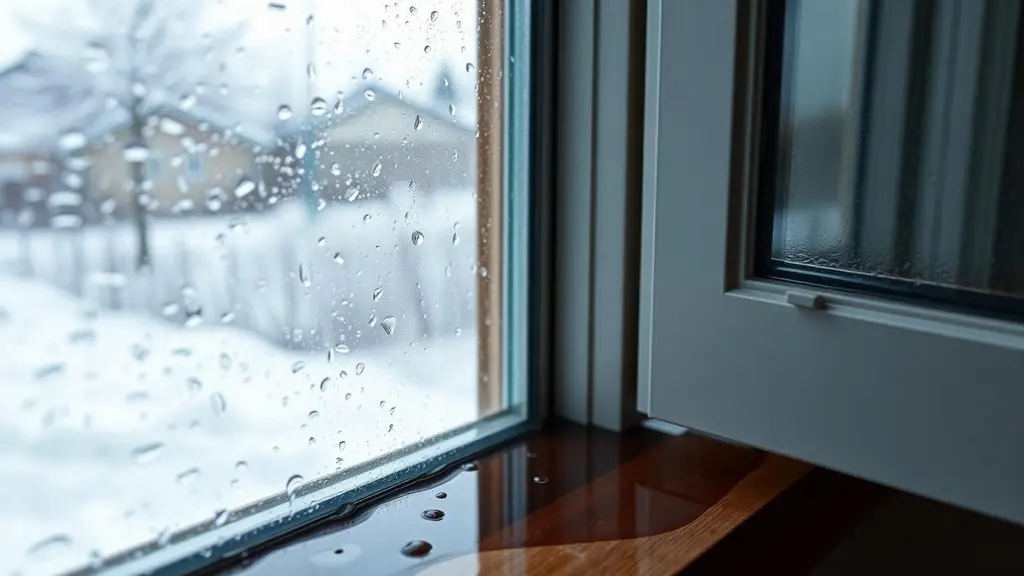
Quick answer: condensation on the windows
Window condensation happens when indoor air holds more moisture than the cold glass surface can support at that temperature — it is a humidity problem, not a window defect, unless it appears between the panes of a double-pane unit.
Low urgency — monitor
Occasional condensation on cold mornings is normal and low risk. Daily heavy condensation that wets sills and trim over weeks can rot wood and grow mold, so it deserves attention within a season.
Glass is the coldest surface in most rooms, so it is the first place water vapor condenses when indoor humidity is too high for the outdoor temperature. The EPA recommends keeping indoor relative humidity between 30% and 50% specifically because condensation and mold risk climb sharply above that range in winter.
The pattern of the condensation — inside the glass, between the panes, or only in certain rooms — tells you whether the fix is a humidity habit, a window seal, or a ventilation gap.
Warning signs of condensation on the windows
- Water pooling on the sill every cold morning
- Fogging that appears between the two panes of glass, not on the surface
- Condensation concentrated in bathrooms, kitchens or a bedroom with a fish tank
- Wood trim around windows feeling soft or showing dark staining
Most likely causes of condensation on the windows, ranked
1. Indoor relative humidity too high for the outdoor temperature
Most common — roughly half of cases
As outdoor temperature drops, the glass surface temperature drops with it, and a lower indoor humidity is needed to avoid reaching the dew point on that glass. Cooking, showering, houseplants, aquariums and even breathing add several pints of water vapor to indoor air daily, and older single-pane or aluminum-frame windows condense at higher indoor humidity than efficient double-pane units.
10-minute self-test: Check a $12 hygrometer placed away from vents. If indoor relative humidity reads above 40% while it is below freezing outside, that is the direct cause per ASHRAE guidance for cold-climate condensation control.
2. Poor air circulation at the window from curtains or furniture
Common in specific rooms
Heavy drapes, blinds closed tight to the glass, or furniture pushed against a window all block warm room air from mixing at the glass surface, letting a stagnant cold-air layer form and condense even when whole-house humidity is normal.
10-minute self-test: Compare condensation on a window with open curtains and airflow to one that is blocked. If the blocked window fogs first and worst, circulation is the driver in that room.
If that test is negative: If every window fogs equally regardless of curtains or furniture placement, the cause is whole-house humidity, not local airflow.
3. Bathroom or kitchen exhaust fans not vented outdoors or not used
Common, easy to check
A shower releases roughly half a pint of water vapor over 10 minutes, and cooking on a stovetop for an hour can add a pint or more. Fans that vent into the attic instead of outside, or fans that are simply not run long enough, leave that moisture in the house to migrate and condense on the nearest cold glass.
10-minute self-test: Hold a tissue near the bathroom fan grille while it runs; it should be pulled firmly against the grille. Then check in the attic whether the duct actually terminates outside rather than dumping into the attic space.
This cause is not a DIY repair — it needs a hvac technician.
4. Failed window seal (only relevant for fogging between panes)
Less common overall, but the only cause requiring window replacement
Double- and triple-pane windows have a sealed gas-filled gap between panes. When that seal fails, humid air migrates in and condenses between the panes where no cleaning or humidity control can reach it. This shows as a permanent haze or streaking that never wipes off from either side.
10-minute self-test: Try to wipe the fog from both the inside and outside of the glass. If it does not clear and reappears in the same cloudy pattern regardless of humidity control, the seal has failed.
This cause is not a DIY repair — it needs a hvac technician.
5. Unvented combustion or drying appliances adding moisture
Less common but significant when present
An unvented gas fireplace, a kerosene heater, or a dryer vented indoors or through a disconnected duct all add substantial water vapor as a combustion byproduct or evaporation, on top of raising carbon monoxide risk for unvented combustion appliances.
10-minute self-test: Check that the clothes dryer duct is intact and terminates outside, and confirm any gas fireplace or heater is vented per its manufacturer listing.
This cause is not a DIY repair — it needs a hvac technician.
Your 10-minute check list for condensation on the windows
- Measure indoor relative humidity with a hygrometer in the room where condensation is worst
- Confirm bathroom and kitchen fans vent to the outdoors, not the attic
- Check whether fog is on the room-side surface or trapped between panes
- Verify the dryer duct is connected and unobstructed
What it costs to fix condensation on the windows
| Cause / repair | DIY cost | Professional cost |
|---|---|---|
| Hygrometer and humidity monitoring | $10–$25 | n/a |
| Running bath/kitchen fans longer, rerouting to exterior | $0–$150 | $200–$500 |
| Dehumidifier for problem rooms | $150–$300 | n/a |
| Whole-house ventilation (ERV/HRV) install | n/a | $1,500–$4,000 |
| Window reglazing or full sash seal repair | n/a | $150–$400 per window |
| Full window replacement (per window) | n/a | $400–$1,200 |
See the full cost breakdown for this repair →
DIY fixes for condensation on the windows
Run exhaust fans 15–20 minutes after every shower and while cooking
This clears the moisture spike before it migrates to cold surfaces elsewhere in the house.
Keep indoor humidity between 30% and 50%
Use a portable dehumidifier in humid rooms or a whole-house model tied to the HVAC system, targeting the EPA's recommended range.
Open curtains and blinds a few inches from window glass
Letting warm room air reach the glass reduces the stagnant cold layer where condensation forms first.
Crack a window or use trickle vents briefly in tightly sealed homes
Very airtight homes without mechanical ventilation trap moisture; a few minutes of outdoor air exchange daily helps in the shoulder seasons.
Mistakes to avoid with condensation on the windows
- Ignoring condensation that pools on sills daily — it rots wood trim and paint within one to two winters
- Running unvented gas or kerosene heaters as a primary heat source
- Wiping condensation without addressing the humidity source — it returns the same night
Where homeowners waste money on condensation on the windows
- Replacing windows to fix condensation that is actually a whole-house humidity problem — new windows will fog too until humidity is controlled
- Caulking or resealing a window with failed between-pane seals — the gas fill cannot be restored without replacing the sealed unit
When to call a hvac technician about condensation on the windows
Ask an HVAC technician to evaluate whether your home needs a whole-house dehumidifier or an ERV/HRV rather than treating it room by room.
Get a window contractor to confirm seal failure with a moisture meter before paying for full replacement versus reglazing.
If condensation appears only in one room, have that room's exhaust duct routing verified — misrouted ducts into attics are a common builder-grade mistake.
What a hvac technician actually does on this job →
How to prevent condensation on the windows coming back
- Install and use exhaust fans vented to the exterior in every bathroom and the kitchen
- Keep a hygrometer visible in a main living space
- Have dryer ducts inspected annually for disconnects or lint blockage
Why Is My House Getting Condensation on the Windows — questions homeowners ask
Is window condensation a sign of a bad window?
Only if the fog is trapped between the panes and will not wipe away. Condensation on the room-side surface of the glass means indoor humidity is too high for that glass temperature, which is a house issue, not a window defect.
What humidity level stops window condensation in winter?
The EPA's 30–50% indoor relative humidity range is the target, but during hard freezes even 40% can fog older or single-pane windows. Lowering to 30–35% during the coldest weeks usually solves it.
Can window condensation cause mold?
Yes. Wood window sills and frames that stay wet daily can support mold growth within 24–48 hours of sustained wetting, per EPA guidance, and the wood itself can begin to rot within one to two seasons.
Why is condensation worse in my bedroom than the rest of the house?
Bedrooms with closed doors, closed curtains and less air circulation trap humidity from breathing and sleeping. Cracking the door or using a small fan for circulation often resolves single-room condensation.
Problems related to condensation on the windows
- Why Is My House Getting Mold Around the Windows?Often shows up alongside this problem. Mold around windows almost always grows on trapped condensation, not a window leak.Moisture, Water & Mold Low urgency — monitor
- Why Is My House So Humid?Your house is humid because moisture is entering faster than it leaves.Moisture, Water & Mold Get it inspected
- Why Is My House Getting Sweating Air Ducts?Same part of the house — Air ducts sweat when cold air inside the duct chills the metal or duct board surface below the surrounding air's dew point, and insufficient or damaged duct insulation is the most common reason that surface stays cold enough to condense.Moisture, Water & Mold Get it inspected
- Why Is My House Smelling Musty?A musty smell is microbial volatile organic compounds — geosmin and 2-methylisoborneol — released by mold and bacteria digesting damp material.Smells & Odors Get it inspected
Sources used for condensation on the windows
- EPA — Moisture Control Guidance for Building Design, Construction and Maintenance
- ASHRAE 160 — Criteria for Moisture-Control Design Analysis in Buildings
- U.S. Department of Energy — Ventilation for Indoor Air Quality