
Why Is My House Getting Sewage Backups?
Reviewed 2026-07-30 · How we research
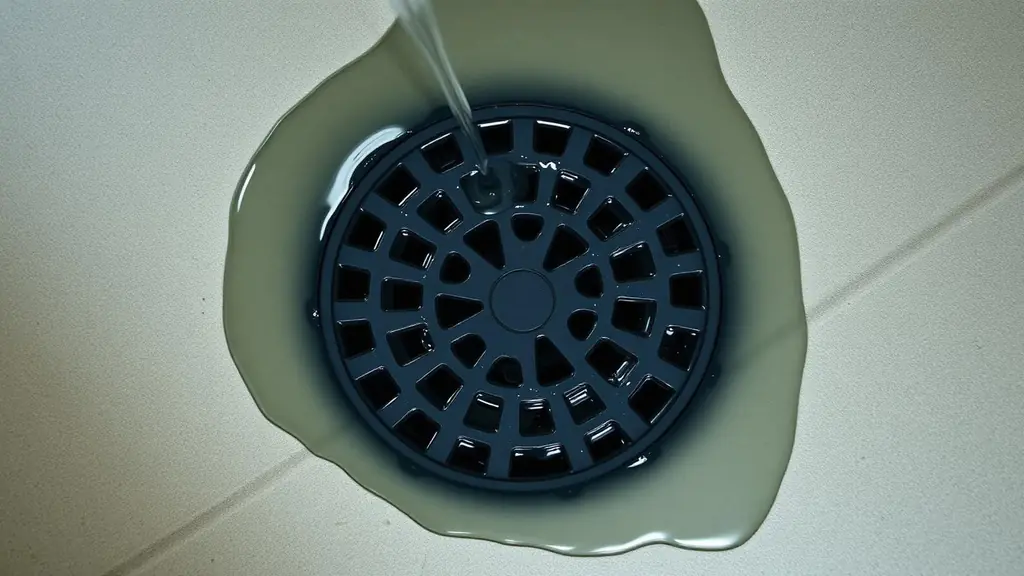
⚠️ What to do first during a sewage backup
Sewage contains bacteria, viruses and parasites. Do not touch or wade through backed-up sewage without gloves, boots and eye protection, and shut off water use in the house immediately until the line is cleared.
Quick answer: sewage backups
Sewage backs up when the main sewer line is blocked or damaged and wastewater has nowhere to go but back up through the lowest drains in the house, usually a basement floor drain or lowest-level toilet.
Urgent — act now
A sewage backup is a health hazard and an active emergency. Stop using water in the house and call a plumber immediately.
A sewage backup means the entire drainage system downstream of your house has stopped moving. Because the sewer lateral is the single path all wastewater must travel, a full blockage anywhere along it pushes water back to the lowest, most vulnerable fixtures first.
Treat every backup as contaminated black water under CDC guidance. Stop using water immediately, ventilate the area, and call a licensed plumber before attempting any cleanup.
Warning signs of sewage backups
- Water or sewage rising from a basement floor drain
- Toilets overflowing when other fixtures are used
- Multiple drains backing up simultaneously
- Strong sewage odor throughout the lower level
Most likely causes of sewage backups, ranked
1. Tree root intrusion in the sewer lateral
Most common — roughly 4 in 10 backups in homes over 30 years old
Roots infiltrate pipe joints seeking moisture, growing into dense mats that trap paper, wipes and grease until the line is fully blocked. Clay and cast-iron laterals common before 1980 are especially prone to root infiltration at every joint.
10-minute self-test: Do not attempt to clear the line yourself. Note whether backups correlate with heavy rain, which raises groundwater into root-damaged pipe.
This cause is not a DIY repair — it needs a licensed plumber or sewer specialist.
2. Collapsed or bellied sewer pipe
Common in homes 40+ years old
Cast-iron pipe corrodes and clay pipe shifts with soil movement over decades, eventually collapsing or sagging into a belly that traps solids permanently. This produces recurring backups even after snaking because the physical low point in the pipe remains.
10-minute self-test: If a plumber has snaked the line before and backups returned within months, suspect a structural pipe failure rather than a simple clog.
This cause is not a DIY repair — it needs a licensed plumber or sewer specialist.
3. Grease, wipes and foreign object blockage
Very common in kitchens and older bathrooms
Cooking grease solidifies inside the pipe as it cools, and 'flushable' wipes do not break down the way toilet paper does, per EPA wastewater guidance. Both build into a solid mass that eventually blocks the entire line rather than a single fixture.
10-minute self-test: Review recent household habits — grease poured down the sink or wipes flushed — which points strongly toward this cause.
This cause is not a DIY repair — it needs a licensed plumber or sewer specialist.
4. Municipal sewer main surcharge during heavy rain
Common in combined sewer or older municipal systems
During heavy storms, some municipal combined sewer systems become overwhelmed and back up into connected home laterals, especially where a home lacks a backwater valve. This is not a defect in the home's own pipe but a system-wide surcharge event.
10-minute self-test: Note whether backups occur only during or immediately after heavy rainfall and whether neighbors report the same issue, which points to a municipal surcharge rather than a private line problem.
This cause is not a DIY repair — it needs a licensed plumber or sewer specialist.
5. Failed or absent backwater valve
Relevant in homes with finished basements below street level
The IPC recommends backwater valves for fixtures installed below the elevation of the next upstream manhole. Without one, any surcharge or blockage downstream flows freely back into the lowest fixtures in the house.
10-minute self-test: Check whether your basement has a backwater valve access cover, typically a round plate near the foundation wall; its absence in a below-grade bathroom is a red flag.
This cause is not a DIY repair — it needs a licensed plumber or sewer specialist.
Your 10-minute check list for sewage backups
- Stop all water use in the house immediately
- Note which fixtures back up first (lowest drains indicate main line blockage)
- Check for a backwater valve access cover in the basement
- Photograph affected areas for insurance before cleanup begins
What it costs to fix sewage backups
| Cause / repair | DIY cost | Professional cost |
|---|---|---|
| Emergency plumber dispatch and diagnosis | n/a | $150–$500 |
| Sewer camera inspection | n/a | $250–$700 |
| Hydro-jetting to clear roots/grease | n/a | $350–$900 |
| Backwater valve installation | n/a | $600–$2,000 |
| Sewer line repair (spot repair) | n/a | $1,500–$4,500 |
| Full sewer line replacement | n/a | $4,000–$25,000 |
| Sewage cleanup and disinfection (remediation company) | n/a | $1,000–$7,000 |
See the full cost breakdown for this repair →
DIY fixes for sewage backups
Stop water use immediately
Turn off washing machines, dishwashers and avoid flushing toilets the moment you notice a backup to prevent additional wastewater from making the overflow worse.
Do not attempt DIY cleanup of contaminated water
CDC guidance treats sewage-contaminated water as black water requiring PPE and professional disinfection, not household cleaning products alone.
Shut off the main water supply if backup is severe
This limits any additional water entering the system while you wait for a plumber, especially if fixtures are actively overflowing.
Mistakes to avoid with sewage backups
- Flushing toilets or running water anywhere in the house until the blockage clears
- Wading into or touching backed-up sewage without gloves and boots
- Using a shop vac not rated for hazardous liquid on sewage water
- Delaying professional service, since pressure can force sewage into more of the house
Where homeowners waste money on sewage backups
- Repeated snaking of a line with a known structural collapse instead of pursuing a permanent repair
- DIY chemical drain cleaners for a full main-line backup, which do nothing against roots or collapsed pipe
When to call a licensed plumber or sewer specialist about sewage backups
Call an emergency plumber immediately rather than a general handyman; sewage backups require camera diagnosis before any clearing method is chosen.
Ask whether your homeowner's insurance policy includes sewer backup coverage, since standard policies often exclude it without an endorsement.
What a licensed plumber or sewer specialist actually does on this job →
How to prevent sewage backups coming back
- Install a backwater valve if fixtures sit below street level
- Schedule hydro-jetting every 1–2 years for lines with known root history
- Never flush wipes, even ones labeled flushable, per EPA guidance
- Have the sewer lateral camera-inspected before buying a home over 30 years old
Why Is My House Getting Sewage Backups — questions homeowners ask
What should I do first when sewage backs up?
Stop all water use immediately, avoid contact with the contaminated water, and call an emergency plumber. Do not attempt to flush the toilet or run appliances until the blockage is cleared.
Is sewage backup covered by homeowners insurance?
Standard homeowners policies typically exclude sewer backup damage unless you have purchased a specific sewer backup endorsement, which is usually a low-cost add-on.
How can I tell if the backup is my pipe or the city's?
If backups occur only during heavy rain and neighbors report the same issue, the municipal main is likely surcharging. If it happens regardless of weather and is isolated to your home, the problem is in your private lateral.
Can a backwater valve really prevent this?
Yes. A properly installed backwater valve closes automatically when sewage attempts to flow backward, which the IPC recommends for any fixture installed below the upstream manhole elevation.
Problems related to sewage backups
- Why Is My House Getting Gurgling Drains?Often shows up alongside this problem. Gurgling happens when a partial clog or a blocked vent stack prevents air from moving freely through the drain system, so air bubbles back up through the water in a trap instead of venting through the roof.Plumbing, Drains & Sewer Get it inspected
- Why Is My House Getting Slow Drains?Often shows up alongside this problem. A slow drain is a partial blockage restricting flow, most often hair and soap scum in a bathroom sink, grease in a kitchen sink, or a developing clog further down a shared branch or main line.Plumbing, Drains & Sewer Low urgency — monitor
- Why Is My House Smelling Like Sewage?Same part of the house — Sewer gas is entering your living space because a barrier failed.Smells & Odors Urgent — act now
- Why Is My House Water Pressure Low?The first question is whether one fixture is weak or the whole house is weak.Plumbing, Drains & Sewer Get it inspected
Sources used for sewage backups
- International Code Council — International Plumbing Code (IPC), Section 715: Backwater Valves
- CDC — Guidelines for Cleanup After a Sewage Backup
- EPA — Wastewater Collection System Toolbox: Grease and Wipes Guidance