
Why Is My House Getting Gurgling Drains?
Reviewed 2026-07-30 · How we research
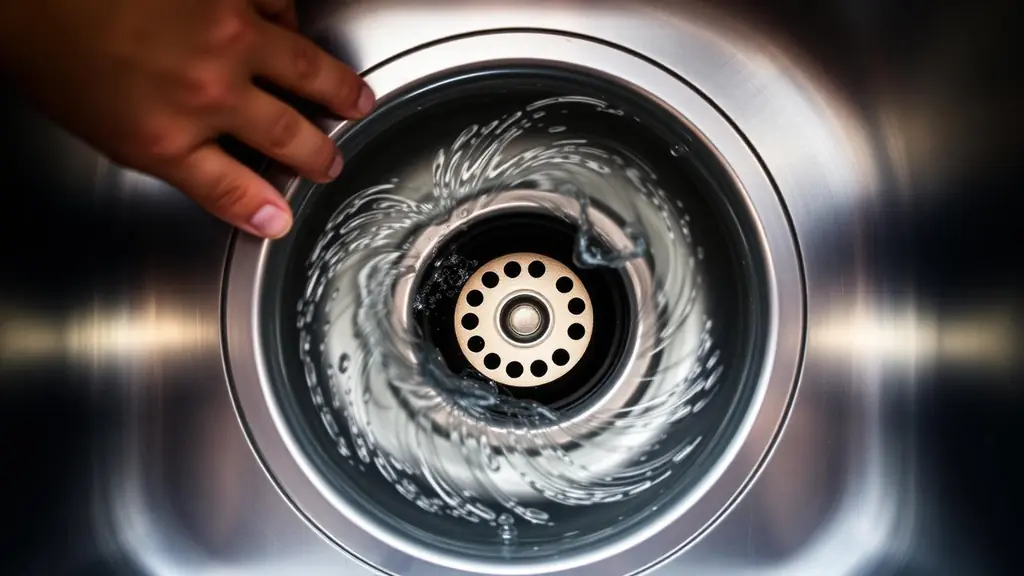
Quick answer: gurgling drains
Gurgling happens when a partial clog or a blocked vent stack prevents air from moving freely through the drain system, so air bubbles back up through the water in a trap instead of venting through the roof.
Get it inspected
A gurgle is trapped air forcing its way past a restriction. It rarely floods a house on its own, but it signals a partial blockage or vent failure that gets worse without attention.
Every fixture drain is supposed to move water out while air moves in behind it through a vent pipe that runs to the roof. When something blocks that airflow — a clog downstream or ice and debris in the vent — the system pulls air back through the path of least resistance, which is often another fixture's trap.
The location of the gurgle tells you a lot. A single sink that gurgles when the washing machine drains points at a shared branch line; every fixture gurgling at once points at the main line or vent stack.
Warning signs of gurgling drains
- Gurgling when a toilet flushes or a washing machine drains
- Bubbles rising in a nearby drain when another fixture is used
- A faint sewage smell accompanying the gurgle
- Slow draining paired with the gurgling sound
Most likely causes of gurgling drains, ranked
1. Partial clog in the branch or main drain line
Most common — roughly 4 in 10 cases
Grease, hair, soap scum and paper accumulate along pipe walls and narrow the passage. As water tries to push past the restriction, it forms a slug that traps air behind it, and that air escapes back through the nearest trap as a gurgle. This typically develops gradually and worsens over weeks.
10-minute self-test: Run water in a tub or shower for two minutes while watching a nearby toilet or floor drain. If it gurgles or the water level rises, the clog is downstream in a shared line, not in that fixture's own trap.
If that test is negative: If only one isolated fixture gurgles and nothing else is affected, the clog is local to that fixture's trap arm, not the main line.
2. Blocked or undersized plumbing vent stack
Very common, especially in older homes
IPC and UPC codes require every fixture trap to be vented so atmospheric pressure equalizes as water drains. Bird nests, leaves, ice caps in winter, or a vent stack that was undersized during a remodel all restrict airflow, forcing the drain to pull air through trap water instead. Whole-house gurgling across multiple fixtures is the classic sign.
10-minute self-test: Go outside and look at the roof vent pipe (usually 2–4 inches wide) for visible debris or ice buildup. If you can safely see into it, check for blockage; if not, note the multi-fixture gurgle pattern for your plumber.
This cause is not a DIY repair — it needs a licensed plumber.
3. Sagging or bellied drain pipe (P-trap or under-slab)
Common in houses over 25 years old
A section of pipe that has settled below grade creates a low spot where standing water and debris collect, forming a partial dam. Air compresses against this dam and escapes as gurgling every time water flows through, and the same spot often develops a slow drain first.
10-minute self-test: Check whether the gurgling fixture has also become progressively slower to drain over recent months. A steady decline plus gurgling suggests a developing belly rather than a one-time clog.
This cause is not a DIY repair — it needs a licensed plumber.
4. Tree root intrusion in the sewer lateral
Common in homes with mature trees near the sewer line
Roots seek the moisture and nutrients inside sewer pipe joints and can infiltrate clay, cast-iron or even PVC joints, creating a mat that traps solids and restricts airflow. Homes built before 1980 with clay tile laterals are especially vulnerable, and symptoms typically appear at the lowest drains in the house first.
10-minute self-test: Note whether gurgling and slow drainage are worst at the lowest-level toilet or floor drain and whether they worsen after heavy rain, which is a strong root-intrusion pattern.
This cause is not a DIY repair — it needs a licensed plumber.
5. Dry or improperly installed trap allowing air siphoning
Less common, usually after a fixture is rarely used
An S-trap or a trap installed with incorrect fall can self-siphon water out during drainage, and once the water seal is compromised the trap gurgles as sewer gas and air move freely through it. Infrequently used floor drains and laundry sinks are the usual culprits.
10-minute self-test: Pour a quart of water into any rarely used drain and see if gurgling stops for a day or two; if it does, the trap was simply dry, not blocked.
Your 10-minute check list for gurgling drains
- Run water in one fixture while watching another for a gurgle response
- Inspect the roof vent stack for visible debris or ice
- Pour water down rarely used drains to refill dry traps
- Note whether gurgling is isolated to one fixture or house-wide
What it costs to fix gurgling drains
| Cause / repair | DIY cost | Professional cost |
|---|---|---|
| Pour water into dry trap | $0 | n/a |
| Chemical or enzyme drain treatment | $10–$25 | n/a |
| Manual drain snaking | $25–$50 (rental) | $150–$350 |
| Vent stack clearing | n/a | $200–$500 |
| Sewer camera inspection | n/a | $250–$700 |
| Hydro-jetting for root intrusion | n/a | $350–$900 |
| Sewer line repair or relining | n/a | $3,000–$12,000 |
See the full cost breakdown for this repair →
DIY fixes for gurgling drains
Refill dry traps
Pour a quart of water into any rarely used floor drain or laundry sink to restore the water seal that blocks sewer gas and stops siphon-related gurgling.
Try an enzyme drain cleaner weekly
Enzyme products digest organic buildup on pipe walls over days rather than dissolving it instantly like caustic cleaners, which can damage older pipes.
Clear visible roof vent debris
If you can safely access the roof, remove leaves, nests or ice from the vent opening; do not attempt this on a steep or wet roof.
Avoid chemical drain cleaner overuse
Repeated caustic cleaner use corrodes older metal pipes and can make a subsequent camera inspection harder to interpret.
Mistakes to avoid with gurgling drains
- Pouring grease down any drain, which is a leading cause of branch-line clogs
- Repeated heavy chemical drain cleaner use on older cast-iron or galvanized pipe
- Ignoring house-wide gurgling, which often precedes a full sewage backup
Where homeowners waste money on gurgling drains
- Repeated chemical drain cleaner purchases without ever identifying the actual blockage location
- Replacing individual fixture traps when the gurgle source is a shared vent or main line
When to call a licensed plumber about gurgling drains
Ask for a sewer camera inspection before authorizing hydro-jetting so you know whether roots, a belly, or a simple clog caused the gurgle.
If gurgling affects every fixture in the house, treat it as a main-line issue and get it inspected before it progresses to a backup.
What a licensed plumber actually does on this job →
How to prevent gurgling drains coming back
- Have main line and vent stacks inspected every 2–3 years in homes over 20 years old
- Install drain strainers to catch hair and food debris before it reaches the pipe wall
- Avoid planting trees within 10 feet of the sewer lateral
- Schedule hydro-jetting proactively if you have known root intrusion history
Why Is My House Getting Gurgling Drains — questions homeowners ask
Is a gurgling drain an emergency?
Not usually on its own, but house-wide gurgling combined with slow drains often precedes a sewage backup within days to weeks, so it deserves prompt attention rather than immediate emergency dispatch.
Why does my toilet gurgle when the washing machine drains?
They likely share a branch drain line. A partial clog downstream forces air from the washing machine's discharge back up through the toilet trap, producing the gurgle.
Can I fix a gurgling drain myself?
Isolated gurgling from a dry trap is a simple DIY fix — just add water. House-wide gurgling from a vent blockage or main line clog usually requires a plumber with a camera and snake.
Does gurgling mean my septic tank is full?
On a septic system, gurgling combined with slow drains throughout the house can indicate the tank needs pumping, which the EPA recommends every 3–5 years for an average household.
Problems related to gurgling drains
- Why Is My House Getting Slow Drains?Same part of the house — A slow drain is a partial blockage restricting flow, most often hair and soap scum in a bathroom sink, grease in a kitchen sink, or a developing clog further down a shared branch or main line.Plumbing, Drains & Sewer Low urgency — monitor
- Why Is My House Getting Sewage Backups?Often shows up alongside this problem. Sewage backs up when the main sewer line is blocked or damaged and wastewater has nowhere to go but back up through the lowest drains in the house, usually a basement floor drain or lowest-level toilet.Plumbing, Drains & Sewer Urgent — act now
- Why Is My House Smelling Like Sewage?Worth ruling out before it becomes urgent. Sewer gas is entering your living space because a barrier failed.Smells & Odors Urgent — act now
- Why Is My House Getting a Toilet That Keeps Running?Often shows up alongside this problem. A running toilet is almost always caused by a worn flapper that fails to seal, a float set too high, or a fill valve that will not fully shut off, letting water continuously leak from the tank into the bowl.Plumbing, Drains & Sewer Low urgency — monitor
Sources used for gurgling drains
- International Code Council — International Plumbing Code (IPC), Chapter 9: Vents
- EPA — Septic System Maintenance Guidelines
- U.S. Department of Housing and Urban Development — Residential Plumbing Inspection Manual