
Why Is My House Getting Slow Drains?
Reviewed 2026-07-30 · How we research
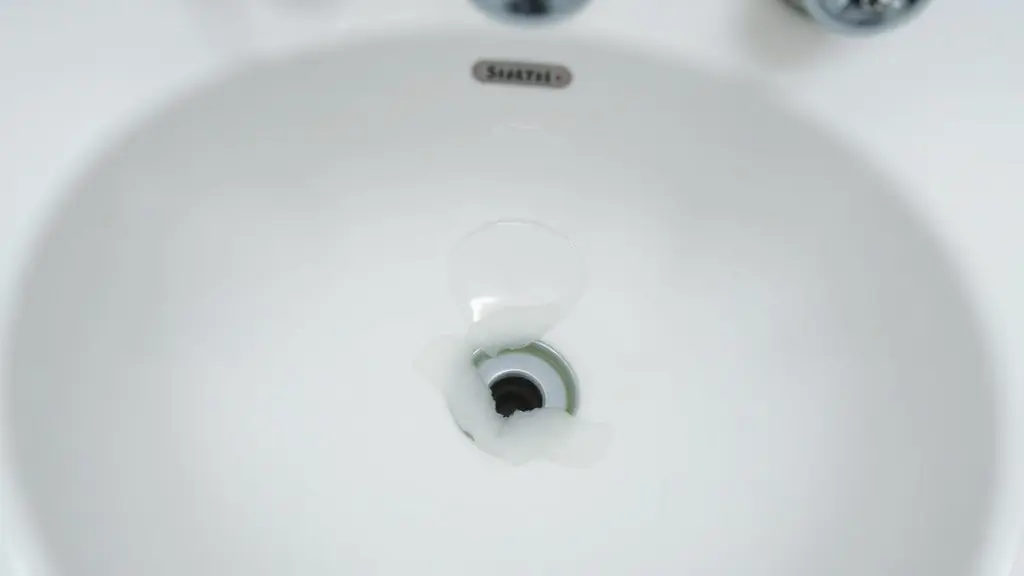
Quick answer: slow drains
A slow drain is a partial blockage restricting flow, most often hair and soap scum in a bathroom sink, grease in a kitchen sink, or a developing clog further down a shared branch or main line.
Low urgency — monitor
A single slow drain is usually a minor maintenance issue, but multiple slow drains throughout the house can indicate a developing main line blockage worth addressing before it becomes a full backup.
A slow drain is simply a partial version of a full clog — something is narrowing the pipe's interior diameter enough to reduce flow without stopping it entirely. Whether that something is local to the fixture or shared across multiple fixtures determines whether a $10 tool or a professional visit is the right next step.
The single fastest diagnostic is checking whether other fixtures are also slowing down, since an isolated single-fixture slowdown and a house-wide pattern point toward completely different causes.
Warning signs of slow drains
- Water pooling in a sink or tub before it fully drains
- Draining that has gradually worsened over weeks
- Gurgling accompanying the slow drain
- Multiple fixtures slowing down around the same time
Most likely causes of slow drains, ranked
1. Hair and soap scum buildup in bathroom drains
Most common — roughly 4 in 10 cases in bathrooms
Hair combines with soap scum and skin oils to form a sticky mass that clings to the inside of tub and sink drains, narrowing the passage gradually over weeks to months. This is almost always isolated to the specific fixture where it accumulates.
10-minute self-test: Remove the drain stopper or strainer and look for visible hair wrapped around the mechanism, which is present in the large majority of bathroom slow-drain cases.
2. Grease and food debris buildup in kitchen drains
Very common in kitchen sinks
Cooking grease solidifies as it cools inside the pipe, and combined with food particles that pass the garbage disposal, it narrows the drain diameter over time, most often in the trap or the horizontal run just past it.
10-minute self-test: Check whether the slow draining is limited to the kitchen sink and whether it worsens noticeably after cooking with oil or grease, which strongly suggests grease buildup.
3. Partial clog in a shared branch line
Common when multiple fixtures are affected
When two or more fixtures on the same floor or same branch line slow down around the same time, the restriction is usually in the shared pipe downstream of both fixtures rather than in either fixture's individual trap.
10-minute self-test: Run water in one slow fixture while checking whether a second nearby fixture also gurgles or shows signs of backup, which confirms a shared-line source.
This cause is not a DIY repair — it needs a licensed plumber.
4. Mineral scale buildup in older galvanized drain pipe
Common in homes over 40 years old
Galvanized pipe can develop internal mineral scale and corrosion that narrows the interior diameter significantly over decades, producing a slow, gradual decline in drainage across multiple fixtures fed by the same pipe run.
10-minute self-test: Note whether the slowdown has developed gradually over years rather than weeks, and whether it affects fixtures connected to older, unreplaced sections of pipe.
This cause is not a DIY repair — it needs a licensed plumber.
5. Early-stage root intrusion or belly in the main line
Less common but worth ruling out for whole-house slowdowns
Before a root mass or pipe belly fully blocks a sewer lateral, it typically causes a gradual slowdown across the lowest fixtures in the house first, worsening over weeks as the obstruction grows.
10-minute self-test: Check whether the slowest drains in the house are consistently the lowest-level fixtures, and whether the problem has worsened progressively rather than appearing suddenly.
This cause is not a DIY repair — it needs a licensed plumber.
Your 10-minute check list for slow drains
- Remove and inspect drain stoppers for hair buildup
- Note whether slow draining is isolated to one fixture or multiple
- Track whether the slowdown has been gradual over weeks or sudden
- Test whether running one fixture affects drainage or gurgling at another
What it costs to fix slow drains
| Cause / repair | DIY cost | Professional cost |
|---|---|---|
| Manual hair/debris removal | $0 | n/a |
| Enzyme drain cleaner (monthly maintenance) | $10–$25 | n/a |
| Drain snaking (single fixture) | $25–$50 (rental) | $150–$300 |
| Main line snaking | n/a | $200–$500 |
| Hydro-jetting | n/a | $350–$900 |
| Sewer camera inspection | n/a | $250–$700 |
See the full cost breakdown for this repair →
DIY fixes for slow drains
Remove hair manually from the drain
Use a plastic drain-cleaning tool (a $6 barbed stick) to pull hair and debris directly out of the drain opening, which resolves most bathroom slow drains immediately.
Flush kitchen drains with hot water and dish soap
Run hot water with a squirt of dish soap down the kitchen drain weekly to help break up grease before it hardens into a significant clog.
Use enzyme drain treatments proactively
A monthly enzyme treatment digests organic buildup gradually and helps prevent slow drains from developing into full clogs, unlike caustic one-time chemical cleaners.
Mistakes to avoid with slow drains
- Pouring grease down any kitchen drain, which is the leading cause of kitchen sink slow drains
- Repeated heavy use of caustic chemical drain cleaners, which can damage older pipe over time
- Ignoring a slowdown that affects multiple fixtures, which can progress toward a full backup
Where homeowners waste money on slow drains
- Repeated chemical drain cleaner purchases for a fixture that a $6 hair-removal tool would fix instantly
- Paying for main line hydro-jetting when the issue is isolated to a single fixture's trap
When to call a licensed plumber about slow drains
If slow drainage affects multiple fixtures at once, ask for a camera inspection before snaking so you know whether you are dealing with a simple clog, roots or a pipe belly.
For recurring kitchen sink slowdowns despite regular cleaning, ask about hydro-jetting, which clears grease residue more thoroughly than a cable snake.
What a licensed plumber actually does on this job →
How to prevent slow drains coming back
- Install drain strainers in every tub, shower and sink to catch hair before it enters the pipe
- Never pour grease down a kitchen drain; dispose of it in a sealed container instead
- Flush drains monthly with hot water and a mild enzyme treatment
- Schedule a professional drain cleaning every 1-2 years for homes with a history of slow drains
Why Is My House Getting Slow Drains — questions homeowners ask
Why is my sink draining slowly but not completely clogged?
A partial blockage — usually hair, soap scum or grease — is narrowing the pipe's interior diameter enough to slow flow without fully stopping it, and it will typically progress to a full clog if not addressed.
How can I tell if a slow drain will become a full clog?
If the slowdown has been getting progressively worse over days to weeks rather than staying constant, it is actively narrowing further and will likely become a full clog without intervention.
Are chemical drain cleaners safe to use regularly?
No. Repeated use of caustic chemical drain cleaners can corrode older metal pipe over time and make future camera inspections harder to interpret; enzyme-based products are a gentler ongoing option.
When should I call a plumber for a slow drain instead of doing it myself?
Call a plumber if multiple fixtures are slow at once, if snaking a single fixture does not resolve it, or if the slowdown keeps returning within weeks after a DIY fix.
Problems related to slow drains
- Why Is My House Getting Gurgling Drains?Same part of the house — Gurgling happens when a partial clog or a blocked vent stack prevents air from moving freely through the drain system, so air bubbles back up through the water in a trap instead of venting through the roof.Plumbing, Drains & Sewer Get it inspected
- Why Is My House Getting Sewage Backups?Often shows up alongside this problem. Sewage backs up when the main sewer line is blocked or damaged and wastewater has nowhere to go but back up through the lowest drains in the house, usually a basement floor drain or lowest-level toilet.Plumbing, Drains & Sewer Urgent — act now
- Why Is My House Getting a Toilet That Keeps Running?The same licensed plumber handles this one. A running toilet is almost always caused by a worn flapper that fails to seal, a float set too high, or a fill valve that will not fully shut off, letting water continuously leak from the tank into the bowl.Plumbing, Drains & Sewer Low urgency — monitor
- Why Is My House Water Pressure Low?Often shows up alongside this problem. The first question is whether one fixture is weak or the whole house is weak.Plumbing, Drains & Sewer Get it inspected
Sources used for slow drains
- International Code Council — International Plumbing Code (IPC), Chapter 7: Sanitary Drainage
- EPA — Fats, Oils and Grease (FOG) Disposal Guidance