
Why Is My House Getting a Toilet That Keeps Running?
Reviewed 2026-07-30 · How we research
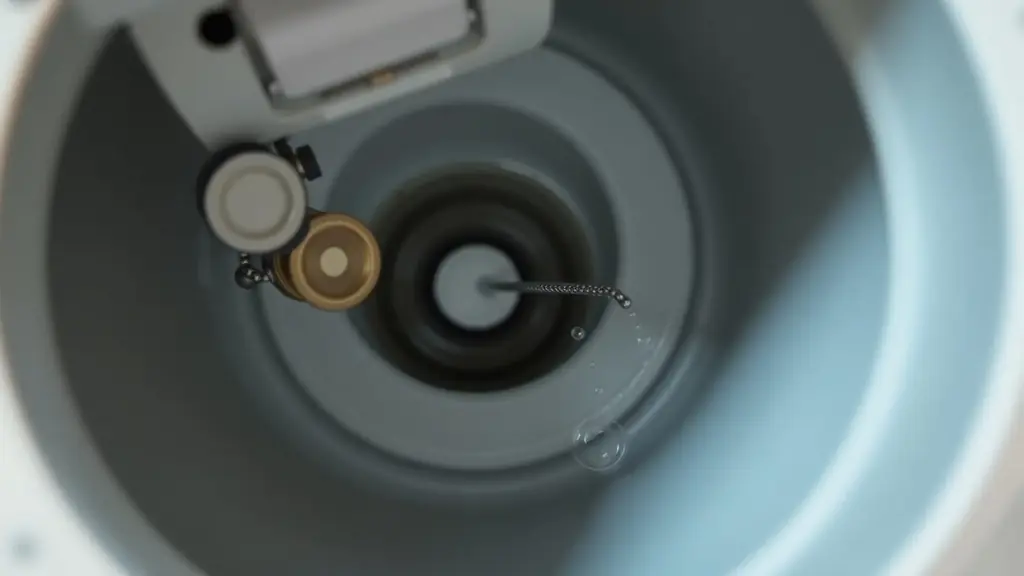
Quick answer: toilet that keeps running
A running toilet is almost always caused by a worn flapper that fails to seal, a float set too high, or a fill valve that will not fully shut off, letting water continuously leak from the tank into the bowl.
Low urgency — monitor
A running toilet is not a safety issue, but it can waste hundreds of gallons of water per day and noticeably raise a water bill if left unfixed.
Every running toilet has one job to do wrong: it is letting water leave the tank that should be staying put. There are only three parts inside a toilet tank capable of causing that, so diagnosis is usually a five-minute job.
The EPA estimates a running toilet can waste over 200 gallons of water per day, so even a quiet, barely-audible run is worth investigating quickly.
Warning signs of toilet that keeps running
- Water audibly running or trickling into the tank periodically
- The toilet refills itself without being flushed
- A hissing sound from the tank
- Noticeably higher water bill with no other explanation
Most likely causes of toilet that keeps running, ranked
1. Worn or misaligned flapper valve
Most common — roughly 6 in 10 cases
The flapper is a rubber or silicone seal at the bottom of the tank that lifts to release water during a flush and should drop back to seal the tank completely. Rubber flappers degrade, warp or accumulate mineral deposits over 3–5 years, preventing a full seal and letting water leak continuously into the bowl.
10-minute self-test: Add a few drops of food coloring to the tank water and wait 15 minutes without flushing. If color appears in the bowl, the flapper is leaking and needs replacement.
2. Float set too high, causing constant overflow into the tube
Very common
The float determines the water level at which the fill valve shuts off. If it is set too high, water constantly overflows into the overflow tube, which drains directly into the bowl and makes the tank endlessly refill in a self-perpetuating running cycle.
10-minute self-test: Remove the tank lid and watch the water level; if it is at or above the top of the overflow tube, adjust the float downward by roughly 1 inch and observe whether the running stops.
3. Fill valve failing to fully shut off
Common in tanks over 8–10 years old
The fill valve (ballcock or modern float-cup style) controls water entering the tank and can wear internally, allowing a slow trickle even after the tank reaches its set level. This produces a periodic refill cycle even when the flapper is confirmed to be sealing properly.
10-minute self-test: With the flapper confirmed sealed via the food coloring test, listen for hissing or watch for slow water movement at the fill valve itself, which points to fill valve wear rather than the flapper.
4. Warped or corroded flush valve seat
Less common, usually in older toilets
The flush valve seat is the surface the flapper seals against, and mineral buildup or corrosion on this seat can prevent even a brand-new flapper from forming a watertight seal, regardless of flapper condition.
10-minute self-test: Run a finger around the flush valve seat (with water shut off and tank drained) to feel for roughness, pitting or mineral ridges that would prevent a good seal.
Your 10-minute check list for toilet that keeps running
- Perform the food coloring dye test to check the flapper seal
- Check the float height relative to the overflow tube
- Listen for hissing at the fill valve after the tank should be full
- Feel the flush valve seat for roughness or mineral buildup
What it costs to fix toilet that keeps running
| Cause / repair | DIY cost | Professional cost |
|---|---|---|
| Flapper replacement | $5–$15 | $75–$150 |
| Float adjustment | $0 | n/a |
| Fill valve replacement | $10–$25 | $100–$200 |
| Full toilet fill/flush mechanism kit | $20–$35 | $120–$250 |
| Toilet replacement (severe flush valve damage) | n/a | $300–$800 |
See the full cost breakdown for this repair →
DIY fixes for toilet that keeps running
Replace the flapper
Shut off the water supply, drain the tank, unhook the old flapper and attach a new one matched to the toilet's brand and model, which resolves the majority of running toilet cases for under $15.
Adjust the float
On a ball-float style, gently bend the float arm down; on a cup-style float, adjust the clip or screw to lower the shut-off water level about 1 inch below the top of the overflow tube.
Replace the fill valve
A universal fill valve kit installs in about 20 minutes with basic tools and resolves running caused by internal fill valve wear that adjustment alone cannot fix.
Mistakes to avoid with toilet that keeps running
- Ignoring a running toilet for months, since it can waste over 200 gallons per day per EPA estimates
- Overtightening plastic fill valve or flapper connections, which can crack components
Where homeowners waste money on toilet that keeps running
- Replacing the entire toilet when a $10 flapper or fill valve would solve the issue
- Using in-tank cleaning tablets marketed for toilets, which accelerate the exact rubber degradation causing the running in the first place
When to call a licensed plumber about toilet that keeps running
If a new flapper does not stop the running, ask a plumber to check the flush valve seat for wear rather than replacing flappers repeatedly.
For toilets over 15–20 years old with recurring fill valve or flapper failures, replacing the whole toilet is often more cost-effective than repeated part replacement.
What a licensed plumber actually does on this job →
How to prevent toilet that keeps running coming back
- Replace the flapper every 3–5 years as preventive maintenance
- Avoid in-tank bleach tablets, which accelerate rubber flapper degradation
- Check float height and flapper seal annually as part of routine home maintenance
Why Is My House Getting a Toilet That Keeps Running — questions homeowners ask
How much water does a running toilet waste?
The EPA estimates a continuously running toilet can waste more than 200 gallons of water per day, which can add a noticeable amount to a monthly water bill even for a seemingly minor leak.
How do I know if my toilet flapper is leaking?
Add a few drops of food coloring to the tank and wait 15 minutes without flushing. If color shows up in the bowl, the flapper is not sealing and needs replacement.
Can I fix a running toilet myself?
Yes, in nearly all cases. Flapper replacement, float adjustment and fill valve replacement are all straightforward tasks that take under 30 minutes with basic tools.
Why does my toilet randomly run for a few seconds every so often?
This intermittent 'phantom flush' pattern almost always indicates a slow flapper leak. Water seeps past the flapper slowly enough that the tank only needs a brief refill every 10–20 minutes rather than running continuously.
Problems related to toilet that keeps running
- Why Is My House Getting a High Water Bill?Often shows up alongside this problem. A high water bill without a change in usage habits usually means a running toilet, an underground leak between the meter and the house, an irrigation system malfunction, or a fixture leak that has gone unnoticed.Plumbing, Drains & Sewer Get it inspected
- Why Is My House Getting Gurgling Drains?Often shows up alongside this problem. Gurgling happens when a partial clog or a blocked vent stack prevents air from moving freely through the drain system, so air bubbles back up through the water in a trap instead of venting through the roof.Plumbing, Drains & Sewer Get it inspected
- Why Is My House Water Pressure Low?The first question is whether one fixture is weak or the whole house is weak.Plumbing, Drains & Sewer Get it inspected
- Why Is My House Getting Slow Drains?Often shows up alongside this problem. A slow drain is a partial blockage restricting flow, most often hair and soap scum in a bathroom sink, grease in a kitchen sink, or a developing clog further down a shared branch or main line.Plumbing, Drains & Sewer Low urgency — monitor
Sources used for toilet that keeps running
- EPA WaterSense — Fix a Leak Week Toilet Leak Data
- International Association of Plumbing and Mechanical Officials — Uniform Plumbing Code Fixture Guidance