
Why Is My House Getting a High Water Bill?
Reviewed 2026-07-30 · How we research
Quick answer: high water bill
A high water bill without a change in usage habits usually means a running toilet, an underground leak between the meter and the house, an irrigation system malfunction, or a fixture leak that has gone unnoticed.
Get it inspected
A high water bill by itself is not dangerous, but it often indicates an active hidden leak that can cause structural water damage the longer it continues undetected.
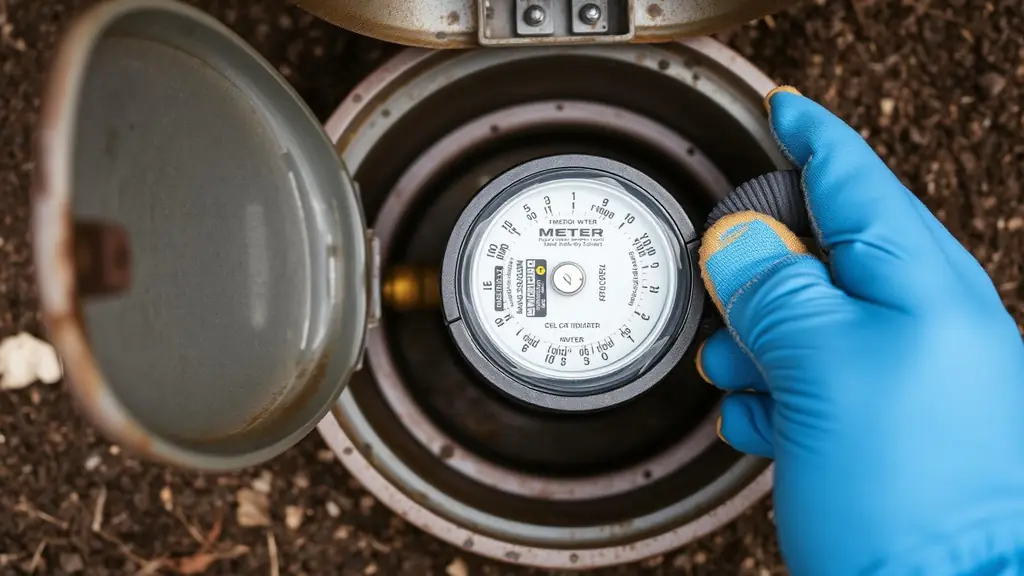
Water bills spike for one of two reasons: you are genuinely using more water, or water is escaping somewhere you cannot see it. The water meter itself is the fastest way to tell which situation you are in, since it will register flow even when every fixture in the house is off.
A leak large enough to double a bill is usually also large enough to detect with a simple meter test that takes about 15 minutes.
Warning signs of high water bill
- Water bill significantly higher than the same month last year with no change in household usage
- Water meter dial still spinning with everything in the house turned off
- Unexplained soggy spots in the yard or near the foundation
- Toilets that run intermittently or continuously
Most likely causes of high water bill, ranked
1. Running or leaking toilet
Most common — roughly 4 in 10 unexplained high bills
A worn flapper or misadjusted float can waste over 200 gallons per day according to EPA WaterSense estimates, and because the leak drains directly into the bowl and down the drain, it is often silent enough that homeowners never notice it visually.
10-minute self-test: Add food coloring to each toilet tank and check the bowl after 15 minutes without flushing; color appearing in the bowl confirms a leaking flapper.
2. Underground leak between the meter and the house
Common, especially in homes with older copper or polybutylene service lines
A leak in the underground supply line loses water continuously into the soil before it ever reaches a visible fixture, which is why it produces a high bill without any indoor symptom at all. Soil erosion, a persistently wet patch of lawn, or unexplained warm spots in winter (from hot water lines) can be visible clues.
10-minute self-test: Turn off all water use in the house, then check the water meter's leak indicator (a small triangle or spinning dial). If it moves at all with everything off, water is escaping somewhere in the system.
This cause is not a DIY repair — it needs a licensed plumber or leak detection specialist.
3. Irrigation system valve stuck open or a cracked line
Very common for homes with sprinkler systems
A failed zone valve that does not fully close, or a cracked underground irrigation line, can run or leak water for hours without triggering an obvious alarm, since irrigation systems already run automatically and unattended.
10-minute self-test: Check the irrigation controller's run history against actual observed watering, and inspect the yard for unusually soggy or lush patches that could indicate a leaking zone.
4. Dripping or leaking faucet, showerhead or supply line
Common and often underestimated
A faucet dripping at one drop per second wastes over 3,000 gallons per year according to EPA WaterSense data, an amount that can meaningfully move a water bill even though it seems insignificant day to day.
10-minute self-test: Walk through the house at night when it is quiet and listen for dripping at every faucet, supply line and showerhead.
5. Water softener or filtration system malfunction
Less common but significant when it occurs
A water softener stuck in a continuous regeneration cycle, or a malfunctioning valve, can run and drain water constantly without any visible sign in the house since it typically discharges to a floor drain.
10-minute self-test: Check the water softener's control valve display for error codes and watch the drain line for continuous water flow when the unit should be idle.
Your 10-minute check list for high water bill
- Check the water meter's leak indicator dial with all fixtures off
- Dye-test every toilet in the house
- Inspect the yard for soggy patches unrelated to rain or irrigation
- Review irrigation controller run times against expected settings
What it costs to fix high water bill
| Cause / repair | DIY cost | Professional cost |
|---|---|---|
| Toilet flapper/fill valve fix | $10–$35 | $100–$200 |
| Faucet washer/cartridge replacement | $5–$25 | $100–$200 |
| Irrigation valve or line repair | $30–$80 | $150–$500 |
| Underground leak detection | n/a | $150–$600 |
| Underground service line repair | n/a | $500–$4,000 |
| Water softener valve repair | n/a | $150–$400 |
See the full cost breakdown for this repair →
DIY fixes for high water bill
Run the meter leak test
Turn off every fixture and appliance, then watch the small leak indicator dial on your water meter for two minutes. Any movement confirms an active leak somewhere in the system.
Dye-test every toilet
Add food coloring to each tank and check for color in the bowl after 15 minutes, which is the single fastest way to rule out the most common cause of a high bill.
Check the irrigation controller and zones
Manually run each irrigation zone and watch for water pooling around heads or valve boxes, which would indicate a cracked line or stuck valve.
Mistakes to avoid with high water bill
- Assuming a high bill is a meter reading error before checking for an actual leak, since utility meter errors are uncommon
- Delaying investigation of a confirmed leak indicator movement, since underground leaks worsen and can undermine soil near the foundation
Where homeowners waste money on high water bill
- Disputing a high bill with the utility before confirming your own meter's leak indicator, since most bill spikes trace back to a real leak on the customer side of the meter
- Excavating broadly for a suspected underground leak without professional acoustic detection first to narrow the location
When to call a licensed plumber or leak detection specialist about high water bill
Ask your water utility for your account's hourly or daily usage history if available, since a sudden shift to constant overnight usage strongly indicates a leak rather than a billing error.
For a confirmed underground leak with no visible indoor cause, request acoustic leak detection before any excavation, which can pinpoint the leak location within a few feet.
What a licensed plumber or leak detection specialist actually does on this job →
How to prevent high water bill coming back
- Check the water meter's leak indicator quarterly as routine maintenance
- Dye-test toilets annually
- Have irrigation systems professionally inspected each spring before the watering season starts
- Ask your water utility about leak alert programs that flag unusual overnight usage
Why Is My House Getting a High Water Bill — questions homeowners ask
How do I know if my high water bill is from a leak?
Turn off every fixture and appliance in the house, then check the small leak indicator dial on your water meter. If it moves at all with everything off, water is actively leaking somewhere in your system.
Can a running toilet really raise my bill that much?
Yes. The EPA estimates a continuously running toilet can waste more than 200 gallons per day, which can add tens of dollars or more to a monthly bill depending on your utility's rate structure.
Is a leak between the meter and my house my responsibility?
In most municipalities, yes — the homeowner is responsible for the service line from the meter to the house, while the utility is responsible for the line from the meter to the main.
How much does professional leak detection cost?
Acoustic or electronic leak detection typically runs $150–$600 depending on the complexity of the property and whether the leak is under a slab or in an accessible crawlspace.
Problems related to high water bill
- Why Is My House Getting a Toilet That Keeps Running?Often shows up alongside this problem. A running toilet is almost always caused by a worn flapper that fails to seal, a float set too high, or a fill valve that will not fully shut off, letting water continuously leak from the tank into the bowl.Plumbing, Drains & Sewer Low urgency — monitor
- Why Is My House Water Pressure Low?Same part of the house — The first question is whether one fixture is weak or the whole house is weak.Plumbing, Drains & Sewer Get it inspected
- Why Is My House Getting Banging Pipes?Same part of the house — Banging pipes, known as water hammer, happen when a fast-closing valve — a washing machine solenoid or a quick-close faucet — stops moving water abruptly, sending a pressure shockwave through unrestrained or unsupported pipe.Plumbing, Drains & Sewer Low urgency — monitor
- Why Is My House Getting Frozen Pipes?Same part of the house — Pipes freeze when water inside them drops below 32°F for long enough to form ice, which most often happens in unheated or poorly insulated spaces like exterior walls, crawlspaces, attics and garages during sustained cold snaps.Plumbing, Drains & Sewer Urgent — act now
Sources used for high water bill
- EPA WaterSense — Fix a Leak Week Program Data
- American Water Works Association — Residential Meter Leak Detection Guidance