
Why Is My House Getting Frozen Pipes?
Reviewed 2026-07-30 · How we research
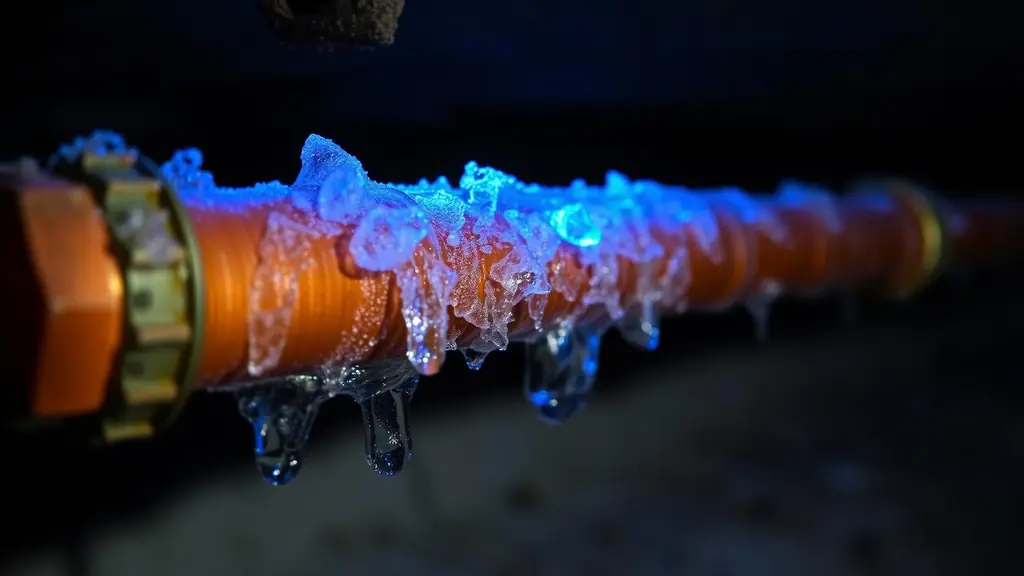
⚠️ What to do first when you find a frozen pipe
A frozen pipe can burst and release hundreds of gallons of water per hour once it thaws. If you find a frozen pipe, shut off the main water supply before attempting to thaw it, and never use an open flame to thaw a pipe.
Quick answer: frozen pipes
Pipes freeze when water inside them drops below 32°F for long enough to form ice, which most often happens in unheated or poorly insulated spaces like exterior walls, crawlspaces, attics and garages during sustained cold snaps.
Urgent — act now
Frozen pipes are an emergency risk because a burst can flood a home rapidly once the ice plug thaws and pressure is released. Act immediately when a freeze is suspected.
Water expands roughly 9% in volume as it freezes, and that expansion inside a closed pipe builds tremendous pressure — enough to split copper, PVC or even cast iron pipe, most often not at the ice plug itself but at a weaker point downstream where pressure concentrates.
The IRC identifies specific vulnerable locations in every house: pipes in exterior walls, unheated crawlspaces, attics, garages and against uninsulated exterior sheathing. Knowing which pipes in your home fall into these categories lets you protect them before a cold snap arrives.
Warning signs of frozen pipes
- No water or a trickle from a faucet that worked normally the day before
- Frost visible on an exposed section of pipe
- Unusual smell from a faucet, which can indicate a frozen trap forcing sewer gas back
- Bulging in a visible section of pipe
Most likely causes of frozen pipes, ranked
1. Water supply lines running through exterior walls or uninsulated cavities
Most common — roughly 4 in 10 freeze events
Pipes installed in exterior walls, especially in homes built before modern energy codes required better wall insulation, sit close to outdoor temperatures with only a thin layer of insulation or none at all between the pipe and the outside air. During a sustained cold snap below 20°F, these lines can freeze within hours.
10-minute self-test: Identify which fixtures are on exterior walls (kitchen sinks, some bathroom vanities) and check those first if you lose water during a cold snap.
2. Unheated crawlspaces, basements or garages with exposed pipe
Very common
Pipes running through an unheated crawlspace or garage lack the ambient warmth of a conditioned living space, and if the crawlspace vents are open or the garage door is left open during extreme cold, the air temperature around the pipe can match outdoor conditions closely.
10-minute self-test: Check whether crawlspace vents are open during winter and whether garage doors have been left open for extended periods during a cold snap; both accelerate pipe freezing.
3. Sustained subfreezing temperatures combined with wind exposure
Common during extreme or prolonged cold events
The National Weather Service and plumbing industry guidance both note that pipes are at meaningfully higher risk once outdoor temperatures stay below roughly 20°F for six or more hours, especially with wind that increases heat loss from exterior walls and exposed piping.
10-minute self-test: Check your local weather forecast for sustained temperatures below 20°F; if forecast, take preventive action (dripping faucets, opening cabinet doors) before the cold arrives rather than after.
4. Loss of heating in the home during a cold snap
Less common but high-risk when it occurs
A furnace failure, power outage, or a homeowner away on vacation with the thermostat set very low removes the ambient heat that normally protects interior pipe runs, allowing even well-protected pipes to freeze over an extended cold period.
10-minute self-test: If you will be away during winter, verify your heating system is functioning and set no lower than 55°F, and ask a neighbor to check on the house during any extended cold snap.
5. Hose bibbs and exterior spigots not properly winterized
Common and often the first sign of a broader freeze risk
An outdoor hose bibb left connected to a hose, or a non-frost-free spigot that was not shut off and drained from an interior valve before winter, can freeze and split, sometimes without symptoms showing until spring when the crack leaks inside the wall.
10-minute self-test: Check whether outdoor hoses were disconnected before the first freeze and whether interior shutoff valves for hose bibbs were closed and drained.
Your 10-minute check list for frozen pipes
- Identify which pipes run through exterior walls, attics, garages or crawlspaces
- Disconnect garden hoses and shut off interior valves to hose bibbs before winter
- Check crawlspace vents are closed during cold months
- Monitor forecasts for sustained temperatures below 20°F
What it costs to fix frozen pipes
| Cause / repair | DIY cost | Professional cost |
|---|---|---|
| Pipe insulation sleeves | $1–$3 per foot | $3–$8 per foot installed |
| Heat tape/heat cable installation | $30–$80 | $150–$350 |
| Professional pipe thawing service | n/a | $200–$500 |
| Burst pipe repair (single section) | n/a | $300–$1,000 |
| Water damage restoration after a burst | n/a | $2,500–$10,000+ |
| Pipe rerouting out of exterior wall | n/a | $500–$2,000 |
See the full cost breakdown for this repair →
DIY fixes for frozen pipes
Shut off water immediately if you suspect a frozen pipe
Close the main shutoff valve before attempting to thaw a suspected frozen pipe, since a burst releasing while under full pressure causes dramatically more damage than one thawed slowly with water off.
Thaw with safe heat sources only
Use a hair dryer, heating pad, or towels soaked in hot water on the affected section, working from the faucet end toward the blockage. Never use a blowtorch, propane heater or other open flame near a pipe.
Drip faucets during extreme cold
Letting cold water drip slowly from faucets served by exposed pipes keeps water moving, which significantly reduces freezing risk during a forecasted cold snap.
Open cabinet doors under sinks on exterior walls
This allows warm room air to circulate around pipes that would otherwise sit in an enclosed, poorly heated cabinet space during cold weather.
Mistakes to avoid with frozen pipes
- Using an open flame or blowtorch to thaw a pipe, which is a fire hazard the NFPA specifically warns against
- Leaving the main water valve open while attempting to thaw a pipe that may have already cracked
- Setting the thermostat below 55°F when away from home during winter
Where homeowners waste money on frozen pipes
- Running space heaters continuously in a garage or crawlspace all winter instead of insulating or rerouting the specific vulnerable pipe section
- Repeated emergency thawing service calls for the same recurring freeze point instead of a one-time insulation or reroute fix
When to call a licensed plumber about frozen pipes
If you cannot locate or access a frozen section yourself, call an emergency plumber rather than continuing to search, since delayed action while the pipe stays frozen increases burst risk once temperatures rise.
Ask a plumber about rerouting pipe runs that repeatedly freeze in the same location each winter rather than relying on heat tape indefinitely.
What a licensed plumber actually does on this job →
How to prevent frozen pipes coming back
- Insulate all exposed pipe in unheated spaces with foam pipe sleeves rated for the local climate
- Install heat tape on pipes in persistently cold locations like crawlspaces and garages
- Disconnect and drain garden hoses and shut interior valves to hose bibbs before the first freeze
- Keep the thermostat at 55°F or higher at all times, even when away from home
- Seal air leaks near pipe penetrations in exterior walls and rim joists
Why Is My House Getting Frozen Pipes — questions homeowners ask
At what temperature do pipes freeze?
Water inside a pipe freezes at 32°F, but pipes in exterior walls or unheated spaces are considered at meaningful risk once outdoor temperatures stay below roughly 20°F for six or more hours.
What should I do first if I find a frozen pipe?
Shut off the main water supply immediately before attempting to thaw it. This limits the water damage if the pipe has already cracked from the ice expansion inside it.
Can I use a blowtorch to thaw a frozen pipe?
No. The NFPA warns against open flame near pipes because it creates a serious fire hazard, especially near wood framing. Use a hair dryer, heating pad or hot towels instead.
How do I prevent pipes from freezing every winter in the same spot?
For a pipe that freezes repeatedly, the most durable fix is professional insulation upgrade, heat tape installation, or rerouting the pipe out of the exterior wall or unheated space entirely.
Problems related to frozen pipes
- Why Is My House Getting Banging Pipes?Same part of the house — Banging pipes, known as water hammer, happen when a fast-closing valve — a washing machine solenoid or a quick-close faucet — stops moving water abruptly, sending a pressure shockwave through unrestrained or unsupported pipe.Plumbing, Drains & Sewer Low urgency — monitor
- Why Is My House Water Pressure Low?Same part of the house — The first question is whether one fixture is weak or the whole house is weak.Plumbing, Drains & Sewer Get it inspected
- Why Is My House Getting a Water Heater That Leaks?The same licensed plumber handles this one. A leaking water heater is caused by internal tank corrosion, a loose or failed drain valve, a discharging temperature and pressure relief valve, or loose fittings on the inlet and outlet connections.Plumbing, Drains & Sewer Get it inspected
- Why Is My House Getting a High Water Bill?Same part of the house — A high water bill without a change in usage habits usually means a running toilet, an underground leak between the meter and the house, an irrigation system malfunction, or a fixture leak that has gone unnoticed.Plumbing, Drains & Sewer Get it inspected
Sources used for frozen pipes
- International Residential Code (IRC) — Section P2603: Freezing Protection
- National Weather Service — Extreme Cold and Pipe Freeze Risk Guidance
- NFPA — Fire Safety Guidance on Thawing Frozen Pipes