
Why Is My House Getting a Water Heater That Leaks?
Reviewed 2026-07-30 · How we research
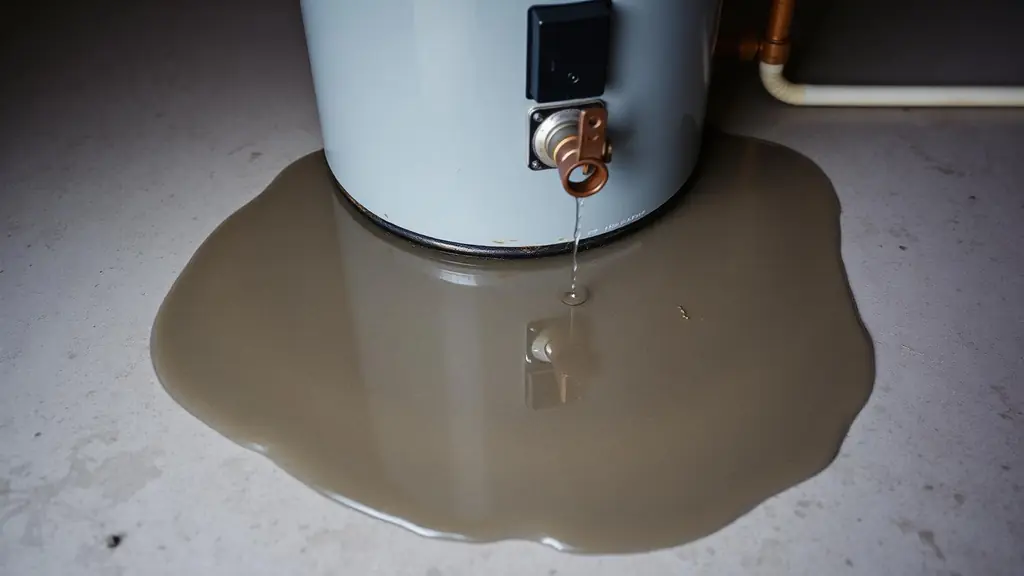
Quick answer: water heater that leaks
A leaking water heater is caused by internal tank corrosion, a loose or failed drain valve, a discharging temperature and pressure relief valve, or loose fittings on the inlet and outlet connections.
Get it inspected
A leaking tank water heater is a plumbing issue to address within days, but active water pooling near a gas unit or evidence of tank rupture warrants immediate action to prevent water damage and potential electrical hazard near an electric unit.
Where the water is coming from on a water heater tells you almost everything. Water pooling directly under the tank itself usually means the tank has corroded through and is beyond repair. Water coming from a valve, fitting or the top of the unit is often a fixable component failure.
Because a ruptured tank cannot be repaired, the first diagnostic step is always locating the exact source of the leak before deciding whether repair or replacement is the right path.
Warning signs of water heater that leaks
- Puddle of water forming directly beneath the tank
- Water dripping from the pressure relief valve or its discharge pipe
- Moisture or drips at the point where pipes connect to the top of the tank
- Rust-colored water or visible rust on the tank exterior near a leak
Most likely causes of water heater that leaks, ranked
1. Internal tank corrosion causing a pinhole leak or rupture
Most common in tanks over 8–10 years old
Once a steel tank's glass lining cracks and the anode rod is fully depleted, the steel shell corrodes from the inside out, eventually developing pinhole leaks or a full rupture. This type of leak originates from the tank body itself, not a valve or fitting, and cannot be repaired — only replacement solves it.
10-minute self-test: Dry the area completely, then check whether water reappears directly under the tank body itself rather than dripping from a specific valve or connection above it.
This cause is not a DIY repair — it needs a licensed plumber.
2. Failed or loose drain valve
Common and often the easiest fix
The plastic or brass drain valve near the base of the tank can loosen over time or develop a worn washer, allowing a slow drip during normal operation. Because it is a separate serviceable part rather than the tank itself, this is one of the few leak sources that is straightforward and inexpensive to repair.
10-minute self-test: Dry the drain valve area and watch it closely for a few minutes; a drip specifically from the valve spout, rather than the tank seam above it, confirms this cause.
3. Temperature and pressure relief valve discharging
Common and can indicate excess pressure or heat
The T&P valve is a safety device required by code that opens automatically if tank pressure or temperature exceeds safe limits, and per CPSC guidance it can also simply fail mechanically and weep water even under normal conditions. Frequent discharge, however, can indicate the thermostat is set too high or the expansion tank has failed.
10-minute self-test: Check whether water is dripping from the discharge pipe that runs from the valve toward the floor; if so, note the water heater's temperature setting, which should be at or below 120°F.
This cause is not a DIY repair — it needs a licensed plumber.
4. Loose or corroded inlet/outlet fitting connections
Common, especially after recent plumbing work
The cold inlet and hot outlet connections at the top of the tank use dielectric unions or flexible connectors that can loosen from vibration or thermal cycling, or corrode at the fitting threads over years, producing a slow drip at the top of the unit.
10-minute self-test: Dry the top of the tank and the connections, then check after a few hours for moisture specifically at the pipe fittings rather than lower on the tank body.
This cause is not a DIY repair — it needs a licensed plumber.
5. Condensation mistaken for a leak
Less common, seasonal
In humid conditions, cold incoming water can cause condensation to form on the tank exterior, especially right after the tank refills with cold water following heavy use, which can pool at the base and look identical to a real leak.
10-minute self-test: Wipe the tank completely dry, then run a large amount of hot water to trigger a cold refill and check whether moisture reappears on the tank exterior within 30 minutes — condensation forms a film, while a real leak produces a directional drip or stream.
Your 10-minute check list for water heater that leaks
- Dry the entire area and observe where moisture reappears first
- Check the drain valve, T&P valve discharge pipe and top fittings individually
- Verify the thermostat is not set above 120°F
- Check the tank's manufacture date to gauge overall age
What it costs to fix water heater that leaks
| Cause / repair | DIY cost | Professional cost |
|---|---|---|
| Drain valve replacement | $10–$20 | $100–$200 |
| T&P valve replacement | $15–$30 | $150–$300 |
| Fitting/connector tightening or replacement | $10–$25 | $100–$250 |
| Expansion tank replacement | $40–$80 | $200–$450 |
| Full tank water heater replacement (leaking tank) | n/a | $1,200–$3,500 |
See the full cost breakdown for this repair →
DIY fixes for water heater that leaks
Tighten or replace the drain valve
Shut off the water supply and drain the tank, then replace a worn plastic drain valve with a brass ball valve for improved long-term reliability.
Confirm and address T&P valve discharge
If the T&P valve is discharging frequently, lower the thermostat to 120°F and have a plumber check the expansion tank, since a failed expansion tank can cause excess pressure that triggers the T&P valve repeatedly.
Rule out condensation before assuming a leak
Dry the tank completely and monitor it through a full hot water use cycle before concluding the tank itself is leaking, especially in humid basements.
Mistakes to avoid with water heater that leaks
- Ignoring a confirmed tank body leak, since a full rupture can release 40–80 gallons of water rapidly and cause significant water damage
- Capping or disabling a discharging T&P valve, which removes a critical safety device required by code
- Delaying replacement once tank corrosion is confirmed, since it will only worsen
Where homeowners waste money on water heater that leaks
- Repeatedly replacing a T&P valve without checking the expansion tank as the underlying cause
- Attempting to seal or patch a corroded tank body, which is not a durable or safe repair
When to call a licensed plumber about water heater that leaks
Ask a plumber to confirm the exact leak source before authorizing any repair, since a tank body leak cannot be fixed and only replacement resolves it.
If the T&P valve discharges repeatedly, have the expansion tank tested rather than simply replacing the valve, since a failed expansion tank is a common root cause.
What a licensed plumber actually does on this job →
How to prevent water heater that leaks coming back
- Replace the anode rod every 2–3 years to slow internal tank corrosion
- Keep the thermostat at or below 120°F to reduce T&P valve stress
- Install or maintain a thermal expansion tank on a closed plumbing system
- Replace tank units proactively at 10–12 years before a rupture causes water damage
Why Is My House Getting a Water Heater That Leaks — questions homeowners ask
Can a leaking water heater be repaired instead of replaced?
It depends on the source. Leaks from the drain valve, T&P valve or fittings are repairable. A leak from the tank body itself means the tank has corroded through and must be replaced.
How much water can a burst water heater release?
A standard 40–50 gallon residential tank can release its full volume rapidly if it ruptures, plus continuous water from the supply line until the shutoff valve is closed, potentially causing significant flooding.
Why is my water heater's relief valve dripping?
The T&P valve discharges when tank pressure or temperature exceeds safe limits, often due to a thermostat set above 120°F or a failed thermal expansion tank building excess pressure in a closed plumbing system.
Is condensation on a water heater normal?
Yes, especially in humid environments right after the tank refills with cold water. It typically forms a light film rather than an active drip and clears within an hour, unlike a true tank leak.
Problems related to water heater that leaks
- Why Is My House Getting No Hot Water?Same part of the house — No hot water usually traces to a tripped high-limit switch, a burned-out electric heating element, an extinguished gas pilot, or a tank so sediment-clogged that it can no longer heat efficiently.Plumbing, Drains & Sewer Get it inspected
- Why Is My House Getting Brown Water?Often shows up alongside this problem. Brown water is almost always iron oxide (rust) or sediment.Plumbing, Drains & Sewer Get it inspected
- Why Is My House Water Pressure Low?The first question is whether one fixture is weak or the whole house is weak.Plumbing, Drains & Sewer Get it inspected
- Why Is My House Getting Frozen Pipes?Often shows up alongside this problem. Pipes freeze when water inside them drops below 32°F for long enough to form ice, which most often happens in unheated or poorly insulated spaces like exterior walls, crawlspaces, attics and garages during sustained cold snaps.Plumbing, Drains & Sewer Urgent — act now
Sources used for water heater that leaks
- Consumer Product Safety Commission — Water Heater Temperature and Pressure Relief Valve Safety Guidance
- U.S. Department of Energy — Water Heater Maintenance and Anode Rod Guidance
- International Code Council — International Plumbing Code (IPC), Section 504: Water Heater Safety Devices