
Why Is My House Getting No Hot Water?
Reviewed 2026-07-30 · How we research
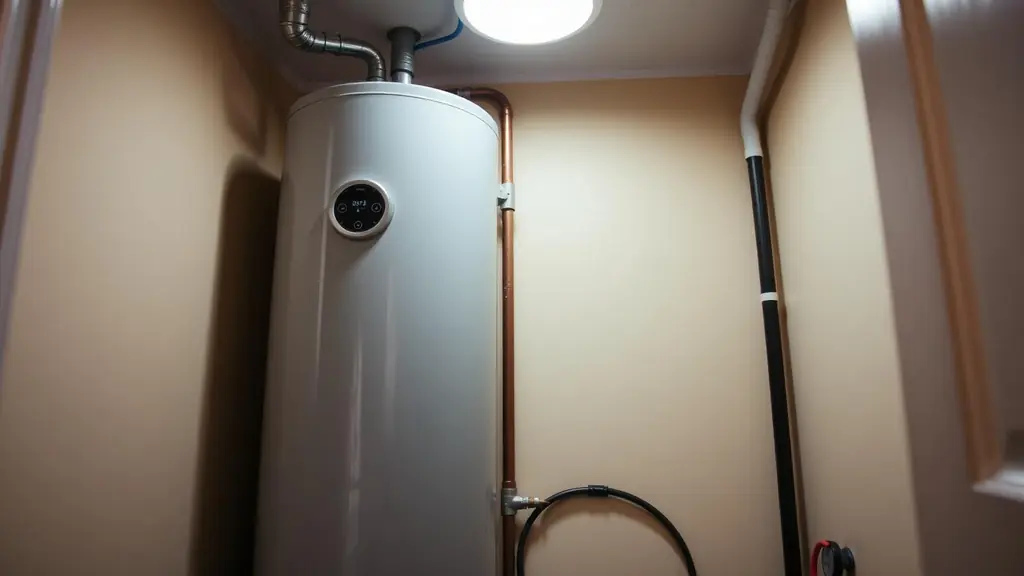
Quick answer: no hot water
No hot water usually traces to a tripped high-limit switch, a burned-out electric heating element, an extinguished gas pilot, or a tank so sediment-clogged that it can no longer heat efficiently.
Get it inspected
No hot water is an inconvenience rather than a safety hazard in most cases, but a gas water heater with a dead pilot or a suspected gas leak needs prompt professional attention.
Water heaters fail in predictable ways depending on fuel type. Electric units typically fail at the heating element or thermostat; gas units fail at the pilot, thermocouple or gas valve; and both types lose capacity as sediment builds on the tank floor over years of use.
Before assuming the unit is dead, check the obvious: breaker position for electric units, pilot light for gas units, and the age of the tank, since most residential water heaters last 8–12 years.
Warning signs of no hot water
- Water goes from hot to lukewarm within minutes of showering
- No hot water at any fixture in the house
- Pilot light will not stay lit on a gas unit
- Popping or rumbling sounds from the tank
Most likely causes of no hot water, ranked
1. Tripped high-limit switch or breaker (electric units)
Most common — roughly 3 in 10 cases
Electric water heaters have a high-limit reset switch (a red button on the upper thermostat) that trips if the water overheats, and the dedicated 30-amp breaker can also trip from an element short. Either one cutting power stops all heating instantly while the tank stays full of now-cooling water.
10-minute self-test: Check the breaker panel for a tripped 30-amp double-pole breaker, then remove the upper access panel cover and press the red reset button on the high-limit switch firmly until it clicks.
2. Burned-out heating element (electric units)
Very common in units 6+ years old
Electric water heaters use one or two resistance elements that degrade over years of mineral scale buildup and eventually burn out, most often the lower element which handles the bulk of the heating load. A failed lower element still gives you a little warm water from the top of the tank; a failed upper element gives you none at all.
10-minute self-test: If the breaker holds and the reset button is not tripped, but water never gets hot, the likely cause is a failed element that requires testing with a multimeter — a job for a plumber or electrician unless you are comfortable with 240V work.
This cause is not a DIY repair — it needs a licensed plumber.
3. Extinguished pilot light or failed thermocouple (gas units)
Very common in gas water heaters
A pilot can blow out from a draft or a failing thermocouple, the safety sensor that keeps gas flowing only when a flame is present. NFPA 54 fuel gas code requires this safety shutoff, so a worn thermocouple will cause the gas valve to cut supply and the pilot to fail to stay lit even after relighting.
10-minute self-test: Follow the relighting instructions on the unit's label. If the pilot lights but goes out within 30–60 seconds of releasing the control knob, the thermocouple has failed.
This cause is not a DIY repair — it needs a licensed plumber.
4. Sediment buildup reducing heating efficiency
Common in tanks that have never been flushed
Mineral sediment settles on the tank floor and insulates the water from the burner or lower element, reducing effective capacity and sometimes causing rumbling or popping sounds as trapped water boils under the sediment layer. Manufacturers recommend flushing tanks annually, but most homeowners never do.
10-minute self-test: Listen for popping or rumbling sounds when the burner or element is running, which indicates significant sediment buildup insulating the heat source.
5. End-of-life tank or undersized recovery for demand
Common in tanks over 10 years old
Most residential tank water heaters are rated for an 8–12 year service life. As the anode rod depletes and internal corrosion progresses, heating capacity and recovery rate both decline, eventually leaving you with cold water at moderate to high usage even though the heater still technically works.
10-minute self-test: Check the manufacture date on the data plate (often encoded in the serial number). A unit over 10 years old with declining performance is a strong candidate for replacement rather than repair.
This cause is not a DIY repair — it needs a licensed plumber.
Your 10-minute check list for no hot water
- Check the breaker panel for a tripped double-pole breaker
- Press the high-limit reset button on electric units
- Attempt to relight the pilot on gas units following the label instructions
- Note the manufacture date on the unit's data plate
What it costs to fix no hot water
| Cause / repair | DIY cost | Professional cost |
|---|---|---|
| Reset breaker or high-limit switch | $0 | n/a |
| Thermocouple replacement | $15–$30 (parts) | $150–$300 |
| Heating element replacement | $20–$40 (parts) | $200–$400 |
| Tank flush/sediment removal | $0 | $100–$200 |
| Full tank water heater replacement | n/a | $1,200–$3,500 |
| Tankless water heater installation | n/a | $3,000–$6,500 |
See the full cost breakdown for this repair →
DIY fixes for no hot water
Reset the high-limit switch
Locate the red reset button behind the upper access panel on electric units and press it firmly. If it trips again immediately, an element or thermostat has failed and needs professional testing.
Relight a gas pilot carefully
Follow the manufacturer's label instructions exactly, including the wait time before turning the gas control knob. If it will not stay lit after two attempts, the thermocouple likely needs replacement.
Flush the tank annually
Attach a hose to the drain valve, shut off the cold water supply, and drain several gallons to remove sediment. This restores capacity lost to sediment insulation.
Mistakes to avoid with no hot water
- Repeatedly resetting a tripping high-limit switch without diagnosing the underlying element failure, which risks overheating
- Attempting gas valve or thermocouple repairs without shutting off the gas supply first
- Ignoring rumbling sounds for years, which accelerates tank corrosion and shortens lifespan
Where homeowners waste money on no hot water
- Replacing a thermocouple repeatedly without addressing a drafty installation location causing repeated pilot outages
- Paying for a full tank replacement when the issue is simply a tripped breaker or high-limit switch
When to call a licensed plumber about no hot water
Ask a plumber to test both heating elements individually rather than replacing the visibly failed one, since a second element often fails within months of the first.
If your gas unit is over 10 years old and needs a major part like a gas valve, compare that repair cost against full replacement before authorizing the repair.
What a licensed plumber actually does on this job →
How to prevent no hot water coming back
- Flush the tank annually to remove sediment buildup
- Test the anode rod every 2–3 years and replace when more than 50% consumed
- Set the thermostat to 120°F, which the CPSC recommends to reduce scald risk and energy use
- Replace tank units proactively at 10–12 years rather than waiting for failure
Why Is My House Getting No Hot Water — questions homeowners ask
Why does my water get warm but never fully hot?
This pattern typically points to a failed lower heating element on an electric unit or significant sediment buildup insulating the burner or lower element on any unit, since the top of the tank can still heat somewhat independently.
How long should a water heater last?
Most tank water heaters last 8–12 years according to manufacturer specifications, while tankless units can last 15–20 years with regular descaling maintenance.
Is it safe to relight a gas pilot myself?
Yes, following the manufacturer's label instructions exactly. If you smell gas at any point or the pilot will not stay lit after following instructions correctly, stop and call a licensed plumber.
Should I repair or replace a 10-year-old water heater?
If the repair cost exceeds 50% of a new unit's installed cost, or the tank is near or past its 8–12 year expected lifespan, replacement is usually the better value than investing in an aging tank.
Problems related to no hot water
- Why Is My House Getting a Water Heater That Leaks?Same part of the house — A leaking water heater is caused by internal tank corrosion, a loose or failed drain valve, a discharging temperature and pressure relief valve, or loose fittings on the inlet and outlet connections.Plumbing, Drains & Sewer Get it inspected
- Why Is My House Water Pressure Low?Often shows up alongside this problem. The first question is whether one fixture is weak or the whole house is weak.Plumbing, Drains & Sewer Get it inspected
- Why Is My House Getting Brown Water?Often shows up alongside this problem. Brown water is almost always iron oxide (rust) or sediment.Plumbing, Drains & Sewer Get it inspected
- Why Is My House Getting a High Water Bill?A high water bill without a change in usage habits usually means a running toilet, an underground leak between the meter and the house, an irrigation system malfunction, or a fixture leak that has gone unnoticed.Plumbing, Drains & Sewer Get it inspected
Sources used for no hot water
- NFPA 54 — National Fuel Gas Code
- U.S. Department of Energy — Water Heater Maintenance and Lifespan Guidance
- Consumer Product Safety Commission — Water Heater Temperature Safety Guidelines