
Why Is My House Infested With Fruit Flies?
Reviewed 2026-08-01 · How we research
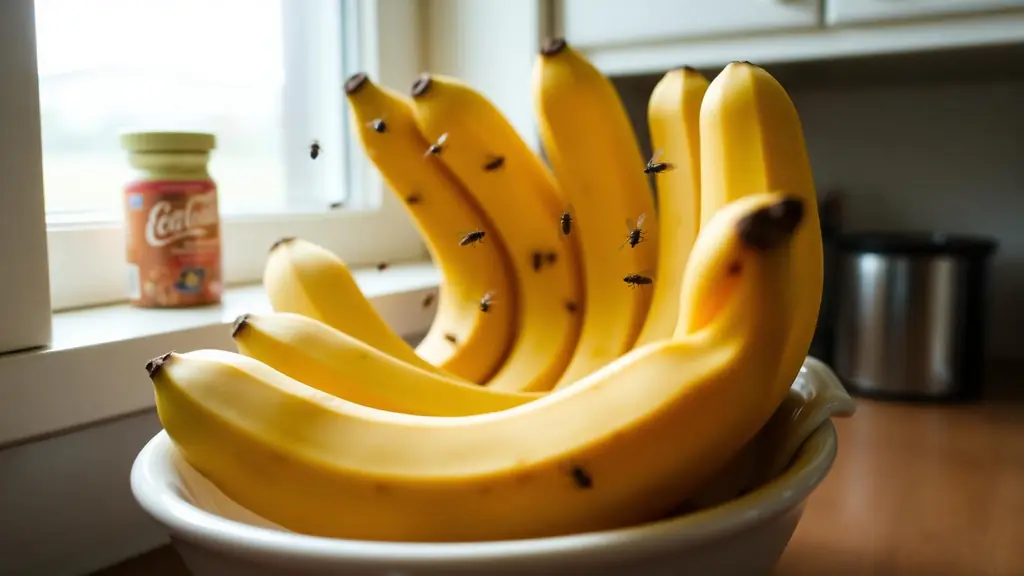
Quick answer: infested with fruit flies
Fruit flies breed on any fermenting sugary residue — overripe produce, garbage disposal buildup, recycling film, spilled juice, or a leaking beverage container. Traps only catch adults; the infestation won't end until you find and remove the actual breeding medium.
Get it inspected
Fruit flies are a nuisance rather than a health hazard, but a persistent population signals an active fermenting food source somewhere in the kitchen that will keep growing until it's found and removed.
Fruit flies don't need a whole rotting piece of fruit to breed — a thin film of fermenting residue is enough. A female lays hundreds of eggs at a time, and the full cycle from egg to adult takes about a week at room temperature, which is why a small unnoticed spill can turn into a persistent kitchen infestation fast.
Traps reduce the number of adults you see, but they do nothing about the eggs and larvae already developing in the source. Ending an infestation means finding every fermenting residue in the kitchen, not just the obvious bowl of fruit.
Warning signs of infested with fruit flies
- Small flies with visible red eyes hovering persistently near the counter or trash
- Flies concentrated around the sink, disposal, or recycling bin specifically
- New flies appearing daily despite emptying the fruit bowl
- A sweet, vinegary smell near a specific appliance
Most likely causes of infested with fruit flies, ranked
1. Overripe or damaged produce left out
Most obvious and most common source
Fruit flies are drawn to the gases released by ripening and fermenting fruit. Bananas, tomatoes, and any produce with a broken skin ferment fastest and are the most common entry point for an infestation to start.
10-minute self-test: Check the fruit bowl and any produce storage for anything past ripe, bruised, or with broken skin, including items pushed to the back of the counter or a cabinet.
2. Garbage disposal buildup
Very common — often missed because it's out of sight
Food particles packed under the splash guard and along the disposal's inner walls ferment continuously and are rarely disturbed by normal use, making the disposal one of the most productive breeding sites in a kitchen.
10-minute self-test: Cover the drain overnight with plastic wrap poked with small holes, or check with a flashlight under the splash guard for a dark, slimy film. Flies trapped above the covered drain by morning confirm the disposal as an active source.
3. Recycling bin residue
Common, especially with unrinsed bottles and cans
Sugary residue left in the bottom of soda cans, wine bottles or juice containers ferments inside the bin, especially in warm weather or if recycling sits for more than a few days between pickups.
10-minute self-test: Look and smell inside the recycling bin, particularly around the bottoms of unrinsed bottles and cans, and check for flies resting on the inside walls.
4. Spilled or leaking beverages in hard-to-see spots
Common but easy to overlook
A juice carton leaking slightly in the back of the fridge, a soda spill that ran under an appliance, or drips along a liquor bottle's rim and cap threads all provide enough sugar residue to sustain breeding.
10-minute self-test: Pull the fridge out and check the drip pan and floor behind it, and wipe down the rims and storage area of any juice, wine or liquor bottles for tackiness.
5. A damp mop head, cleaning rag or bucket left with organic residue
Less obvious but a frequent repeat offender
A mop used with any food-contaminated water and then left damp in a closet, or a bucket with residual grime, ferments slowly in the dark and can sustain a small population for weeks unnoticed.
10-minute self-test: Check mop buckets, cleaning caddies and rag storage for a sour smell or visible flies resting nearby.
6. Forgotten leftovers or compost in an unexpected location
Occasional but a common 'mystery source'
A container pushed to the back of a cabinet, a compost pail that isn't emptied often enough, or pet food left out can all ferment far longer than the kitchen counter items homeowners check first.
10-minute self-test: Do a full pantry and cabinet sweep, and check the compost pail's lid seal and how long it sits between emptying.
7. Drain biofilm being mistaken for the fruit fly source
A common misdiagnosis rather than a true fruit fly cause
Fuzzy drain flies are frequently mistaken for fruit flies, which sends homeowners chasing kitchen produce when the real source is a drain. Confirming the identification prevents wasted effort.
10-minute self-test: Look closely: true fruit flies are smooth-bodied with visible red eyes and fly directly at food; a fuzzy insect that flutters weakly near a drain is a drain fly, not a fruit fly, and needs a different fix.
If that test is negative: If the insect is fuzzy and moth-like rather than smooth with red eyes, this is not a fruit fly infestation.
Your 10-minute check list for infested with fruit flies
- Inspect all produce, including items pushed to the back of the counter or crisper drawer
- Cover the disposal drain overnight to test for trapped flies
- Smell and inspect the recycling bin, especially unrinsed containers
- Pull the fridge out and check the drip pan
- Check mop buckets, compost pails and cabinets for forgotten organic residue
What it costs to fix infested with fruit flies
| Cause / repair | DIY cost | Professional cost |
|---|---|---|
| Vinegar/apple cider trap supplies | $2–$5 | n/a |
| Disposal cleaning brush and enzyme cleaner | $10–$25 | n/a |
| Bin rinsing supplies | $0–$10 | n/a |
| Fridge drip pan cleaning kit | $0–$15 | n/a |
| Professional pest inspection if source stays hidden | n/a | $100–$250 |
| Pest control follow-up treatment | n/a | $150–$350 per visit |
See the full cost breakdown for this repair →
DIY fixes for infested with fruit flies
Set a trap to reduce adults while you search
A jar with an inch of apple cider vinegar, a drop of dish soap, and plastic wrap poked with holes on top catches adults quickly and gives you a sense of where activity is heaviest — but treat it as a stopgap, not the fix.
Deep-clean the disposal, not just run it
Running water through the disposal doesn't remove packed residue under the splash guard. Remove the guard if possible and scrub it, then run ice cubes with a citrus peel to help clear the blades.
Rinse recycling before it goes in the bin
A quick rinse of bottles and cans before recycling removes the sugar film that sustains breeding, and takes seconds per item.
Store ripening produce in the fridge
Once fruit starts to soften, moving it to the fridge slows fermentation enough to stop it from becoming a breeding site while you finish eating it.
Wash and dry mop heads and cleaning cloths after each use
Hang mop heads to dry fully rather than leaving them damp in a closet or bucket, which removes a commonly overlooked breeding spot.
Mistakes to avoid with infested with fruit flies
- Relying on traps alone without removing the actual breeding source
- Assuming a clean-looking kitchen has no source — most sources are hidden (disposal, drip pan, bottle rims)
- Spraying pesticide near food prep areas instead of doing a sanitation sweep
Where homeowners waste money on infested with fruit flies
- Buying multiple styles of trap without removing the breeding source — none of them stop reproduction
- Broad-spectrum kitchen fogging, which leaves residue on food-prep surfaces without addressing the source
When to call a pest control professional about infested with fruit flies
Call a pest control professional if you've done a full kitchen sweep — produce, disposal, recycling, fridge, mop bucket — and flies persist after a week; they may spot a source that's easy to miss, like inside cabinet plumbing.
Skip pesticide treatments as a first step. Fruit flies respond to source removal far more reliably than to spraying, and a professional visit is more useful for locating a hidden source than for applying chemicals.
What a pest control professional actually does on this job →
How to prevent infested with fruit flies coming back
- Rinse recycling before it goes into the bin
- Clean the garbage disposal weekly, including under the splash guard
- Check the fridge drip pan every few months
- Move ripening fruit to the fridge before it becomes overripe
Why Is My House Infested With Fruit Flies — questions homeowners ask
I don't have any fruit out, so why do I still have fruit flies?
Fruit flies breed on any fermenting sugary residue, not just visible fruit. The garbage disposal, recycling bin, a fridge drip pan, or even a leaking bottle cap can sustain a population with no fruit bowl anywhere in sight.
Do fruit fly traps actually work?
They catch and reduce adult flies effectively, which helps you gauge activity, but they don't stop reproduction. The population keeps rebuilding unless you also find and remove the fermenting source producing the eggs.
How do I check if my garbage disposal is the source?
Cover the drain opening overnight with plastic wrap poked with a few small holes. If flies are trapped above the wrap by morning, they were emerging from inside the disposal.
How long does a fruit fly infestation last?
A single generation completes in about a week at room temperature, so once you remove the breeding source, expect the population to drop off noticeably within a week to ten days as the last generation dies off.
Can fruit flies breed in the fridge?
Not on food actually kept cold, but a leaking drip pan underneath the fridge, or residue on a juice carton before it's chilled, provides room-temperature conditions they can use even near the appliance.
Is it fruit flies or drain flies?
True fruit flies are smooth-bodied with visible red eyes and fly directly toward food. Drain flies are fuzzy and moth-like with a weak, fluttering flight and are usually found near drains rather than produce.
Should I throw out all my produce to get rid of fruit flies?
Usually not necessary — inspect for anything overripe or with broken skin and remove just that, then store the rest in the fridge. Discarding everything rarely helps if the real source is the disposal or recycling bin instead.
Problems related to infested with fruit flies
- Why Is My House Full of Gnats?Same part of the house — 'Gnats' usually means one of three insects: fungus gnats (thin, near houseplants), fruit flies (red-eyed, near food), or drain flies (fuzzy, near drains).Pests & Wildlife Low urgency — monitor
- Why Is My House Infested With Gnats?Same part of the house — A persistent gnat infestation almost always means multiple breeding sites or a hidden moisture source — a second houseplant, a leak under a cabinet, a drain nobody checked.Pests & Wildlife Get it inspected
- Why Is My House Infested With Flies?Same part of the house — A true fly infestation means flies are reproducing on the property, not just wandering in.Pests & Wildlife Get it inspected
- Why Is My House Getting Slow Drains?A slow drain is a partial blockage restricting flow, most often hair and soap scum in a bathroom sink, grease in a kitchen sink, or a developing clog further down a shared branch or main line.Plumbing, Drains & Sewer Low urgency — monitor
- Why Is My House Smelling Musty?A musty smell is microbial volatile organic compounds — geosmin and 2-methylisoborneol — released by mold and bacteria digesting damp material.Smells & Odors Get it inspected
Sources used for infested with fruit flies
- University of Kentucky Entomology — Fruit Fly Identification and Management
- Penn State Extension — Fruit Flies
- U.S. EPA — Integrated Pest Management
- University of California IPM Program — Fruit Flies in the Home
- Michigan State University Extension — Managing Fruit Flies