
Why Is My House Infested With Gnats?
Reviewed 2026-08-01 · How we research
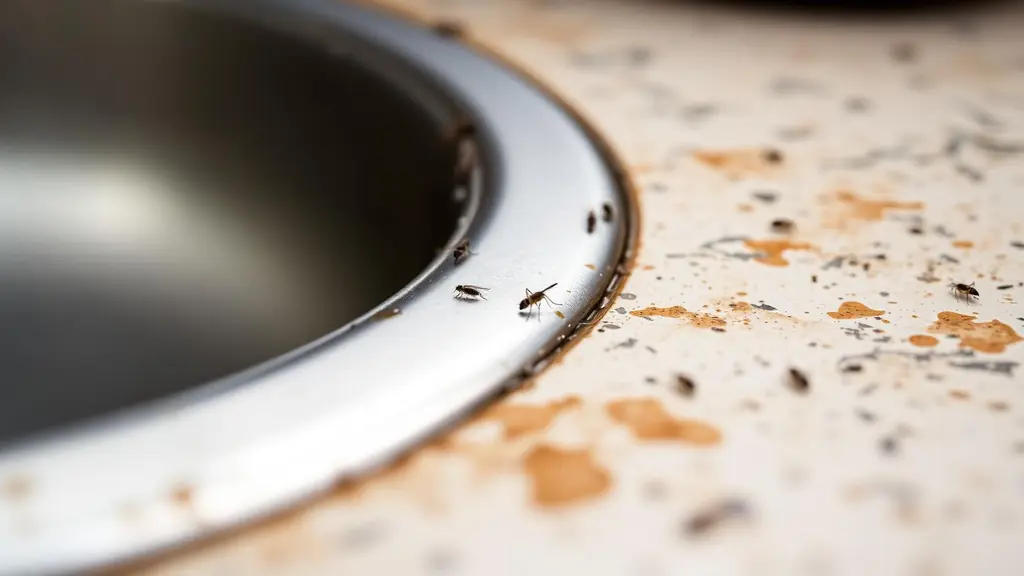
Quick answer: infested with gnats
A persistent gnat infestation almost always means multiple breeding sites or a hidden moisture source — a second houseplant, a leak under a cabinet, a drain nobody checked. Map every possible site, test each one, and remove the breeding medium rather than only the visible insects.
Get it inspected
A recurring gnat population that survives basic cleanup means there is more than one active breeding site, or a hidden moisture source feeding it. Treat it as a systematic search-and-remove project rather than a one-time cleanup.
If you already know you have fungus gnats, fruit flies or drain flies but the population keeps rebuilding despite cleanup, the problem usually isn't the insect — it's that at least one breeding site hasn't been found yet. Gnats can complete a full life cycle in one to three weeks, so a single missed source is enough to keep the infestation going indefinitely.
This is a search-and-remove problem more than a spray problem. The fix is a systematic sweep of every place moisture and organic residue can collect, tested one at a time, rather than treating symptoms room by room.
If you haven't identified which gnat you have yet, start with the identification guide first — the search strategy below works much faster once you know what you're hunting for.
Warning signs of infested with gnats
- Populations return within a week or two of what seemed like a thorough cleanup
- Gnats appear in a room with no visible plants, food, or drains
- New gnats keep hatching despite treating one confirmed source
- A musty smell accompanies the gnat activity, suggesting hidden moisture
Most likely causes of infested with gnats, ranked
1. A second, unnoticed houseplant or planter breeding fungus gnats
Most common reason fungus gnats persist after treating the 'obvious' plant
Households with multiple plants often treat only the one nearest where gnats are seen, while a self-watering planter, a plant in a low-traffic room, or an outdoor planter brought in for winter keeps breeding. Fungus gnats can fly between rooms, so the sighting location doesn't always match the source location.
10-minute self-test: Inspect every pot in the house, including ones in bedrooms, offices and closets. Push a finger into the top inch of soil on each — any that stay damp longer than a couple of days between waterings are suspects. Place a yellow sticky card in each room for 48 hours to map where activity is heaviest.
2. Hidden moisture under a sink, cabinet, or in a wall feeding the cycle
Common where infestation persists with no visible plant or food source
A slow supply line leak, a sweating drain trap, or a damp subfloor under a cabinet creates the same conditions fungus gnats and drain flies need, without an obvious plant or drain in sight. This is the source homeowners miss most often because it isn't visible without opening the cabinet.
10-minute self-test: Open every cabinet under a sink and feel the floor and back wall for dampness. Run a paper towel along supply lines and the drain trap; any moisture picked up points to an active leak that needs fixing before gnats will stop.
This cause is not a DIY repair — it needs a pest control professional.
3. Multiple drains with biofilm buildup, not just the one you tested
Common in houses with more than one rarely used drain
A guest bathroom, a laundry floor drain, or a basement utility sink can each independently host biofilm. Treating only the drain you happen to notice leaves the others producing a steady trickle of new flies.
10-minute self-test: Tape-test every drain in the house overnight, one at a time — kitchen, all bathrooms, floor drains and laundry sinks — rather than assuming the first positive result is the only source.
4. Wet organic debris in an overlooked spot — compost, mulch brought indoors, or a forgotten container
Occasional but persistent once established
A bag of potting soil left open in a garage, mulch tracked in near a door, or a forgotten container of food scraps can all sustain a gnat population well after the kitchen and plants have been addressed.
10-minute self-test: Walk the garage, mudroom, and any storage area for bagged soil, mulch, or organic material and check for dampness or visible larvae.
5. Sub-slab or crawlspace moisture sustaining an unreachable breeding site
Less common, but explains cases that resist every visible fix
In homes with a damp crawlspace or a slab with a moisture problem, gnats can breed in organic material against the underside of the floor, a location no amount of countertop cleaning will touch.
10-minute self-test: Check the crawlspace for standing water, wet insulation, or a musty smell, and look for gaps around plumbing penetrations where insects could travel up into the living space.
This cause is not a DIY repair — it needs a pest control professional.
6. Sanitation gaps that keep reintroducing a food source
Common contributing factor, rarely the sole cause
A trash can without a tight lid, recycling rinsed inconsistently, or dishes left soaking overnight reintroduce a small but steady food source that keeps a partially treated population alive.
10-minute self-test: Track your kitchen routine for a week — note anything organic left out overnight — and compare it against days when gnat sightings spike.
7. Treating the adults without interrupting the breeding cycle
Not a source itself, but the most common reason 'fixes' fail
Traps and sprays remove adult insects but do nothing to eggs and larvae already present in soil, biofilm or debris. Because most gnats complete a generation in one to three weeks, killing adults without removing the medium simply resets the clock.
10-minute self-test: If you're using traps and seeing fewer adults but larvae persist in the suspected medium (check soil or drain walls closely), the source hasn't actually been removed yet.
Your 10-minute check list for infested with gnats
- Inspect every houseplant in the house, not just the one nearest the sightings
- Feel under every sink cabinet for dampness along the floor and back wall
- Tape-test all drains in the house, one at a time, over several nights
- Check the garage, mudroom, and storage areas for bagged soil or damp organic debris
- Look in the crawlspace for standing water or a musty smell if other checks come up empty
What it costs to fix infested with gnats
| Cause / repair | DIY cost | Professional cost |
|---|---|---|
| Repotting plants with fresh, well-draining soil | $10–$25 per plant | n/a |
| Yellow sticky traps for room-by-room mapping | $5–$15 | n/a |
| Drain brush and enzyme treatment (multiple drains) | $30–$70 | n/a |
| Supply line or trap leak repair | $0–$50 | $150–$450 |
| Crawlspace moisture correction | n/a | $1,500–$6,000 |
| Professional pest inspection and identification | n/a | $100–$300 |
| Follow-up pest control treatment | n/a | $150–$400 per visit |
See the full cost breakdown for this repair →
DIY fixes for infested with gnats
Map every room before treating anything
Place sticky cards or trays in every room for 48 hours before doing any cleanup. This tells you how many separate sources you're actually dealing with instead of assuming there's only one.
Fix leaks, don't just dry them
Wiping up moisture under a cabinet without repairing the source lets it return within days. A $10 supply line or a tightened trap connection often ends a stubborn infestation that survived weeks of cleaning.
Treat every positive drain, not just the first one
Scrub and enzyme-treat every drain that tests positive on the tape test, on the same schedule, so you aren't chasing flies between untreated drains for weeks.
Repot with a barrier layer
After letting soil dry and treating any active larvae, top-dress pots with a half-inch of sand or fine gravel. This blocks adults from laying new eggs at the soil surface even if some moisture returns.
Give it one full life cycle before judging the fix
Because gnats can take up to three weeks to complete a generation, don't assume a fix failed if you still see a few insects five days in. Track counts weekly rather than daily.
Mistakes to avoid with infested with gnats
- Treating only the most visible source and assuming it's the only one
- Repeated fogging or spraying without a leak or moisture inspection first
- Ignoring a musty smell that suggests hidden moisture feeding the cycle
Where homeowners waste money on infested with gnats
- Buying a new round of traps every week without changing your search strategy
- Repotting one plant repeatedly while ignoring other plants in the house
- Fogging a whole floor when the source is a single leaking cabinet
When to call a pest control professional about infested with gnats
Call a pest control professional if you've searched systematically and still can't locate the source after two to three weeks — they can identify species precisely and check spots homeowners often miss.
Call a plumber if your search turns up dampness under a cabinet or near a slab that you can't diagnose yourself; fixing the leak is what actually ends the infestation, not repeated pest visits.
A professional inspection is often worth paying for once you've already spent money on traps and cleaning without lasting results — it's cheaper than months of repeat purchases.
What a pest control professional actually does on this job →
How to prevent infested with gnats coming back
- Do a seasonal walk-through of every cabinet, drain and houseplant, not just the ones near where you've had problems before
- Fix small plumbing leaks immediately rather than letting them run for weeks
- Keep a consistent watering schedule across all plants, not just the ones you check often
Why Is My House Infested With Gnats — questions homeowners ask
I already fixed the source I found, why are gnats still here?
Persistent infestations usually have more than one active breeding site. Fixing one source often reduces numbers noticeably but won't eliminate them if a second plant, drain or leak is still producing insects.
How long should I wait before assuming a fix didn't work?
Give it a full life cycle — one to three weeks depending on the species and temperature — before concluding a fix failed. Counting weekly rather than daily gives a truer picture of whether numbers are trending down.
Could a leak I can't see be causing this?
Yes. A slow leak under a cabinet or a sweating trap creates ideal breeding conditions without any visible standing water. If you've ruled out plants, food and obvious drains, checking under every sink is the next step.
Is it worth paying for a professional pest inspection?
If a systematic homeowner search hasn't found the source after two to three weeks, a professional inspection is usually worth the cost — it's typically far less than what homeowners spend on repeat DIY products that don't address the real source.
Can a damp crawlspace really cause a gnat infestation upstairs?
Yes, particularly for fungus gnats and drain flies. Moisture and organic material against the underside of the floor can breed insects that travel up through gaps around plumbing penetrations, which is why some infestations resist every fix inside the living space.
Should I throw away all my houseplants if I can't find which one is the source?
Not necessarily. Try letting all plants dry out fully between waterings for two weeks first — this alone often resolves fungus gnat infestations across an entire collection without discarding any plant.
Problems related to infested with gnats
- Why Is My House Full of Gnats?Same part of the house — 'Gnats' usually means one of three insects: fungus gnats (thin, near houseplants), fruit flies (red-eyed, near food), or drain flies (fuzzy, near drains).Pests & Wildlife Low urgency — monitor
- Why Is My House Infested With Fruit Flies?Same part of the house — Fruit flies breed on any fermenting sugary residue — overripe produce, garbage disposal buildup, recycling film, spilled juice, or a leaking beverage container.Pests & Wildlife Get it inspected
- Why Is My House Infested With Flies?Same part of the house — A true fly infestation means flies are reproducing on the property, not just wandering in.Pests & Wildlife Get it inspected
- Why Is My House Getting a Damp Crawl Space?A damp crawl space almost always comes from ground moisture evaporating through exposed dirt, groundwater seeping in, or humid outside air condensing inside a vented crawl space during summer.Moisture, Water & Mold Get it inspected
- Why Is My House Smelling Musty?A musty smell is microbial volatile organic compounds — geosmin and 2-methylisoborneol — released by mold and bacteria digesting damp material.Smells & Odors Get it inspected
- Why Is My House Getting Slow Drains?A slow drain is a partial blockage restricting flow, most often hair and soap scum in a bathroom sink, grease in a kitchen sink, or a developing clog further down a shared branch or main line.Plumbing, Drains & Sewer Low urgency — monitor
Sources used for infested with gnats
- Penn State Extension — Fungus Gnats
- University of Minnesota Extension — Fungus Gnat Management
- U.S. EPA — Integrated Pest Management
- Penn State Extension — Drain Flies
- University of Kentucky Entomology — Structural Pest Moisture Sources