
Why Is My House Infested With Ladybugs?
Reviewed 2026-08-01 · How we research
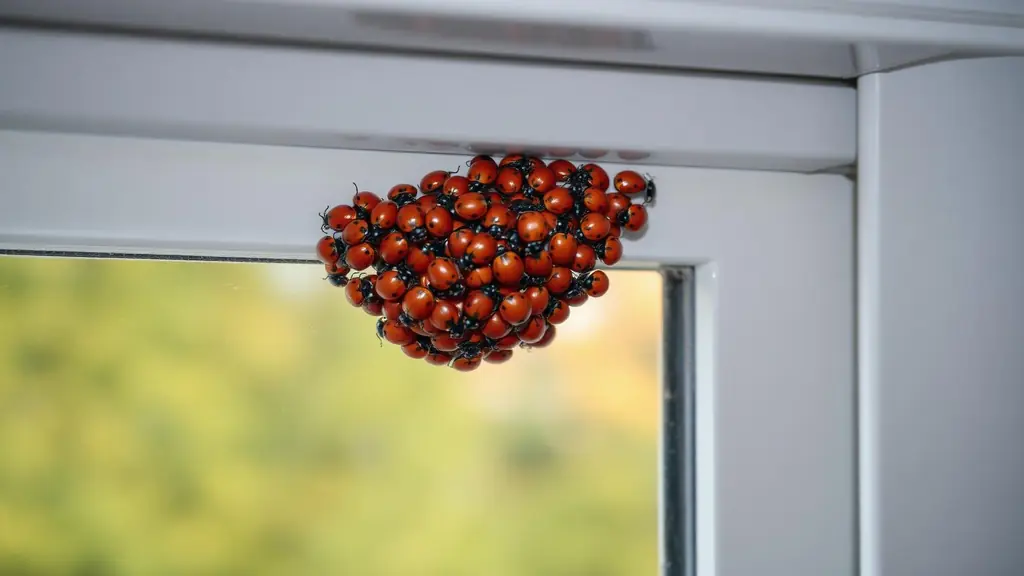
Quick answer: infested with ladybugs
Large numbers of ladybugs inside are almost always multicolored Asian lady beetles that entered in fall to overwinter in wall voids and attics, then emerge into living space on warm days. They don't breed indoors. Vacuum them out and seal exterior entry points for a lasting fix — spraying indoors doesn't solve it.
Low urgency — monitor
Multicolored Asian lady beetles inside a house are a nuisance and a mess, not a health or structural risk. They don't reproduce indoors, bite rarely and mildly, and the population clears on its own each spring — but it will repeat every year until entry points are sealed.
A true indoor ladybug infestation — dozens to hundreds appearing at windows, in attics, or crawling out of wall outlets — is almost never the native, red, black-spotted ladybug most people picture. It's the multicolored Asian lady beetle, a beneficial insect intentionally introduced decades ago for aphid control, which happens to have a strong instinct to seek out cracks and gaps to overwinter in large groups.
The good news: they don't reproduce inside your house, don't damage anything structurally, and the individuals you're seeing now will die off or leave by late spring regardless. The bad news: without sealing their entry points, the same population source will send beetles inside again every fall.
This page covers what to do with the ones already inside and, more importantly, how to stop it from repeating.
Warning signs of infested with ladybugs
- Beetles clustering on warm, sunny interior walls, especially in fall and on warm winter days
- Beetles emerging from wall outlets, window frames, or attic hatches
- A yellow staining fluid and a musty odor left where beetles were crushed
- Large numbers concentrated on the sunniest side of the house before appearing indoors
Most likely causes of infested with ladybugs, ranked
1. Fall aggregation behavior driving beetles to seek overwintering sites
The underlying cause in essentially all indoor cases
As temperatures drop in fall, multicolored Asian lady beetles cluster on sun-warmed, light-colored surfaces — often the south and west sides of a house — searching for cracks to crawl into. Once inside a wall void, soffit or attic space, thousands can pack into a small area to overwinter together.
10-minute self-test: Check the exterior of the house on a warm fall afternoon, particularly around window and door trim, siding laps and roofline junctions on sunny sides, for clusters of beetles gathering before they disappear indoors.
2. Unsealed exterior gaps giving beetles a way into wall voids and attics
The specific entry mechanism behind every indoor case
Beetles need very little space — gaps around window and door frames, unsealed siding laps, soffit vents without fine mesh, and utility penetrations are all large enough. Older homes and homes with wood or lap siding tend to have more of these gaps.
10-minute self-test: On the sunny exterior walls where you saw clustering, run a hand along trim, siding laps and utility penetrations feeling for gaps, and look for daylight through soffit vents from inside the attic.
This cause is not a DIY repair — it needs a pest-control or pest-exclusion professional.
3. Warm winter days triggering beetles already in the walls to become active
Explains why sightings spike on unseasonably warm days
Beetles that entered wall voids in fall go dormant, but a warm spell — even in the middle of winter — raises the temperature inside those voids enough to wake them up. They then move toward light and warmth, which usually means into the living space through outlets, window frames, and attic hatches.
10-minute self-test: Note the outdoor temperature on days when you see a spike in beetle activity indoors; a jump into the 50s–60s°F after a cold stretch strongly suggests this pattern rather than a new entry event.
4. Attic or wall-void concentrations large enough to spill into living space
Common in homes with heavy fall aggregation the prior autumn
In houses where a large aggregation formed in fall, the sheer number of beetles overwintering means even a small fraction becoming active on a warm day can produce what feels like an active infestation indoors, sometimes hundreds of beetles at once.
10-minute self-test: Check the attic with a flashlight along the roofline and soffit for large dead clusters or live beetles massed together, which confirms a significant overwintering population above the living space.
5. Light-colored or sun-exposed exterior surfaces attracting a heavier load than shaded walls
A contributing factor to which side of the house is worst
Research on lady beetle behavior shows they strongly prefer light-colored surfaces and the warmest, most sun-exposed walls, which is why one side of a house can have a serious problem while the opposite side has almost none.
10-minute self-test: Compare the north/shaded side of the house to the south/west sun-exposed side for beetle activity in fall — a lopsided pattern confirms sun exposure is driving where the entry points matter most.
6. A large local outdoor population from nearby agricultural fields or wooded areas
A regional factor rather than something about your house specifically
Multicolored Asian lady beetles are most abundant near soybean fields and wooded edges where their prey (aphids) is common. Houses near these areas see far larger fall aggregations than houses in dense urban settings.
10-minute self-test: Consider your surroundings — houses near farmland or wood lines should expect a heavier seasonal aggregation and plan exclusion work accordingly, even if the house itself is well sealed.
Your 10-minute check list for infested with ladybugs
- Walk the sunny exterior walls in early fall looking for beetle clusters before they move inside
- Feel and inspect trim, siding laps and utility penetrations for gaps
- Check the attic with a flashlight for large overwintering clusters along the roofline
- Note whether indoor sightings correlate with warm winter days
What it costs to fix infested with ladybugs
| Cause / repair | DIY cost | Professional cost |
|---|---|---|
| Vacuum with nylon-stocking hose insert for removal | $0–$5 | n/a |
| Caulk and weatherstripping for trim and siding gaps | $30–$80 | $300–$800 |
| Soffit and vent screening with fine mesh | $40–$100 | $300–$700 |
| Whole-house exterior exclusion sealing | n/a | $500–$1,500 |
| Perimeter pest treatment before fall (optional, temporary) | n/a | $150–$350 per visit |
See the full cost breakdown for this repair →
DIY fixes for infested with ladybugs
Vacuum, don't crush
Use a vacuum with a hose attachment and slip a cut nylon stocking or old sock over the nozzle, secured with a rubber band. Beetles collect in the stocking rather than the bag, so you can release them outside or dispose of them without odor or residue inside the vacuum.
Never crush beetles on walls or fabric
Crushed beetles release a yellow defensive fluid that stains drywall, paint and fabric and produces a musty, unpleasant odor. Removing them live with a vacuum avoids this entirely.
Seal entry points during the next warm dry spell
Caulk gaps around window and door trim, and where siding meets trim or foundation, using an exterior-grade sealant. This is the only fix that stops the cycle from repeating the following fall.
Screen attic and soffit vents with fine insect mesh
Standard vent louvers have gaps large enough for beetles to pass through. Adding 1/8-inch mesh behind the vent keeps beetles out without restricting attic airflow.
Time exclusion work for late summer, not after they've already moved in
Sealing gaps works best before beetles begin seeking overwintering sites in early-to-mid fall. Sealing after they're already inside the walls just traps them there.
Mistakes to avoid with infested with ladybugs
- Crushing beetles on walls, curtains or carpet — it stains and smells
- Spraying indoor pesticide on visible beetles as a routine response — it doesn't address the ones already inside the walls and isn't necessary for an insect that doesn't bite seriously or breed indoors
- Waiting until beetles are already swarming a window to start exclusion sealing
Where homeowners waste money on infested with ladybugs
- Routine indoor pesticide spraying for ladybugs — they don't breed indoors, so there's no ongoing population to kill, only a recurring supply of new arrivals from outside
- Bug bombs or foggers, which don't reach beetles dormant deep inside wall voids
- Repeated vacuuming without ever sealing entry points — the same aggregation returns every fall
When to call a pest-control or pest-exclusion professional about infested with ladybugs
Call a pest-control or pest-exclusion professional for a whole-house exterior sealing job if you have a lap-siding or older home with many small gaps — this is more thorough and durable than DIY caulking alone.
A professional perimeter treatment applied in late summer, before beetles begin seeking overwintering sites, can reduce the number that make it into the walls in the first place, though exclusion sealing is still the long-term fix.
Skip indoor extermination services for a beetle problem — the beetles inside are typically already dying off or dormant, and the money is better spent on exterior exclusion.
What a pest-control or pest-exclusion professional actually does on this job →
How to prevent infested with ladybugs coming back
- Do an exterior gap-sealing pass every late summer before fall aggregation begins
- Add fine mesh behind attic and soffit vents
- Consider a professional perimeter treatment in late summer if previous years' aggregations were severe
Why Is My House Infested With Ladybugs — questions homeowners ask
Are these ladybugs dangerous or harmful to my house?
No. Multicolored Asian lady beetles don't damage structures, don't reproduce indoors, and bite only rarely and mildly. The main issues are the nuisance of large numbers and the staining odor if they're crushed.
Why do I only get ladybugs on warm winter days?
Beetles overwintering dormant in wall voids become active when temperatures inside those voids rise, which happens on unseasonably warm winter days. They then move toward light and warmth, often straight into the living space.
Will spraying inside my house get rid of them?
Not durably. Indoor pesticide kills what you can see but does nothing for the large numbers still dormant inside wall voids and attics, and new beetles will keep entering from outside each fall until entry points are sealed.
What's the best way to remove a large cluster without staining anything?
Vacuum them with a hose attachment fitted with a cut nylon stocking secured by a rubber band. This lets you empty the stocking outside rather than crushing beetles or leaving them in your vacuum bag.
Will sealing my house completely stop this from happening again?
It stops the specific entry points you seal, which is the only durable fix. If you're in an area near fields or woods with heavy aggregations, thorough exclusion may still need a follow-up check each year for any new gaps.
Why is one side of my house so much worse than the other?
Multicolored Asian lady beetles are strongly attracted to warm, sun-exposed, light-colored surfaces, so the south and west sides of a house typically aggregate far more beetles than the shaded north side.
Problems related to infested with ladybugs
- Why Is My House Covered in Ladybugs?Same part of the house — Large numbers of ladybugs covering exterior siding in fall are multicolored Asian lady beetles gathering on sun-warmed, light-colored walls before seeking cracks to overwinter in.Pests & Wildlife Low urgency — monitor
- Why Is My House Full of Spiders?Same part of the house — Spiders are a symptom, not the problem.Pests & Wildlife Low urgency — monitor
- Why Is My House Getting Scratching Noises in the Attic?Scratching in the attic is most often squirrels or rats active at dawn and dusk, or raccoons moving heavily at night.Pests & Wildlife Get it inspected
- Why Is My House Infested With Flies?Same part of the house — A true fly infestation means flies are reproducing on the property, not just wandering in.Pests & Wildlife Get it inspected
Sources used for infested with ladybugs
- University of Kentucky Entomology — Asian Lady Beetle Infestation of Structures
- Ohio State University Extension — Multicolored Asian Lady Beetles
- U.S. EPA — Integrated Pest Management
- Purdue Extension — Asian Lady Beetles
- University of Minnesota Extension — Multicolored Asian Lady Beetles