
Get it inspected
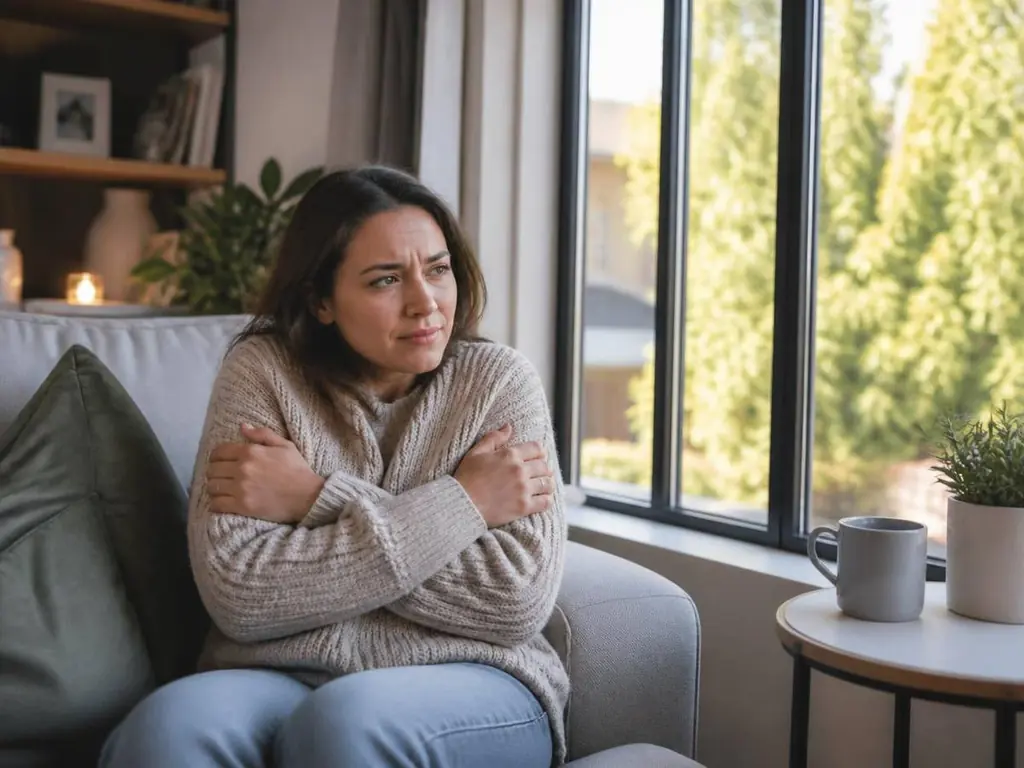
Uncomfortable but not urgent unless the indoor temperature is genuinely close to freezing, which raises pipe-freeze risk regardless of the outdoor reading.
Warning signs of a house colder than outside
- Indoor temperature stays below the outdoor reading for hours at a time
- The effect is worse in a basement or a room with a concrete floor
- Air conditioning runs even though it doesn't feel hot outside
- The house feels damp as well as cold
Most likely causes of a house colder than outside, ranked
Thermal lag and thermal mass in masonry, slab or basement construction
Most common explanation
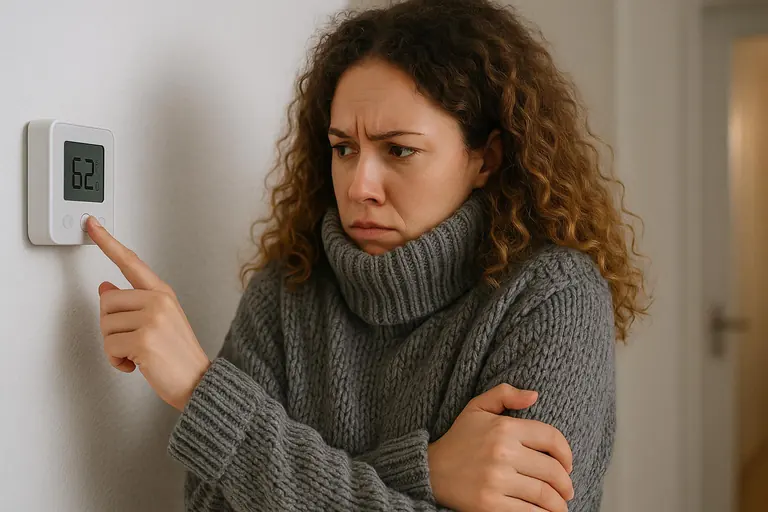
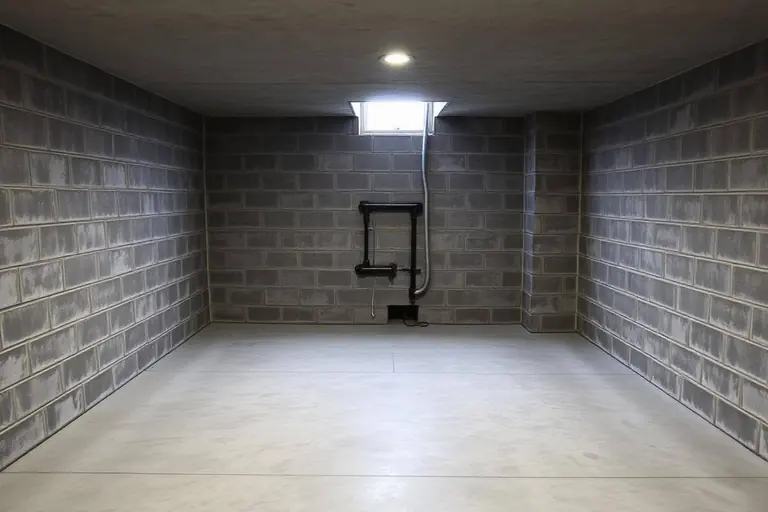
Concrete, brick and stone absorb heat slowly and release it slowly. After a cold night, these materials stay cold for hours even as outdoor air temperature climbs during the day, keeping the indoor space several degrees behind outside. Homes with basements or slab floors feel this most strongly.
10-minute self-test: Compare a thermometer reading near a concrete floor or masonry wall to one in the middle of a carpeted room; a noticeable difference points to thermal mass holding onto cold.
Air conditioning still running or a stuck cooling call
Common on shoulder-season days
If the thermostat schedule or a manual setting still has the system in cooling mode from a recent warm stretch, it can keep running and pull the indoor temperature below the outdoor reading on a day that's turned cooler.
10-minute self-test: Check the thermostat mode and confirm it isn't set to Cool with a setpoint the house has already reached; also confirm the compressor outside isn't running unexpectedly.
Heavy shading from trees, overhangs, or neighboring structures
Common
A house with limited direct sun exposure misses out on passive solar warming that would otherwise offset heat loss, so it can trail outdoor air temperature noticeably on a sunny day.
10-minute self-test: Note whether the sunniest side of the house feels warmer than the shaded side at the same time of day; a big gap points to solar gain differences rather than equipment.
Thermostat location not representative of the whole house
Common
A thermostat placed in a naturally cool spot — an interior hallway, a north-facing room, or near a return vent pulling in cooler basement air — reads lower than the rest of the house and can keep triggering heat calls unnecessarily or fail to reflect real comfort.
10-minute self-test: Compare the thermostat's displayed reading to a separate thermometer placed in a commonly used room.
Poor air distribution leaving certain areas cold
Common
Uneven duct design or closed registers can leave specific rooms consistently colder than both the rest of the house and the outdoor temperature, especially rooms above a garage or at the end of a long duct run.
10-minute self-test: Check airflow at registers throughout the house; weak or absent airflow in the affected room points to a distribution issue rather than a house-wide cause.
Lack of solar gain through windows
Less common but relevant on clear days
South-facing windows can add meaningful passive heat on a sunny day; heavy drapes, exterior shading, or a home with few south-facing windows misses that free warmth.
10-minute self-test: Open blinds and curtains on sun-facing windows during the day and note whether the affected rooms warm up compared to when they're closed.
Over-ventilation from exhaust fans or fresh-air intakes
Less common
A whole-house ventilation system, bathroom fans left running, or a fresh-air intake pulling in more outdoor air than needed can bring in cooler air faster than the heating system offsets it.
10-minute self-test: Check whether any exhaust fans or a mechanical ventilation system are running more than intended, and note their settings.
Dampness making the space feel and read colder
Less common
Damp materials lose heat faster through evaporation, and elevated humidity can make a given temperature feel colder to occupants, compounding an actual thermal-mass lag.
10-minute self-test: Check indoor relative humidity with a hygrometer; readings well above 50% alongside a cold feeling suggest dampness is part of the picture.
Basement or crawlspace pulling down the whole-house average
Less common as a standalone cause
An uninsulated basement or crawlspace near outdoor temperature can cool the floor above it and, through open stairwells, cool the rest of the house as well.
10-minute self-test: Compare a basement thermometer reading to one on the main floor; a large gap suggests the below-grade space is dragging the house average down.
General envelope air leakage
Least common as the primary explanation here but often a contributor
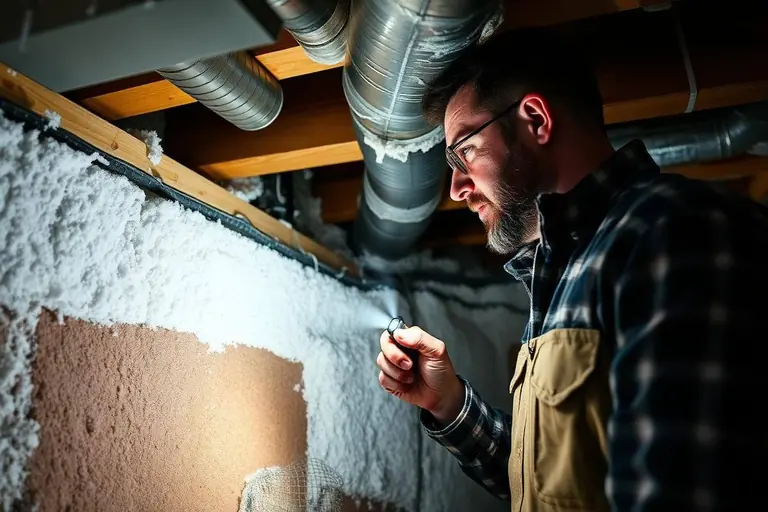
Ongoing air leakage through the attic, rim joist and window trim continuously trades warm indoor air for cooler outdoor air, adding to any thermal-lag effect already present.
10-minute self-test: Run the standard incense-stick draft test at typical leak points — outlets, baseboards, window trim — on a breezy day.
What it costs to fix a house colder than outside
Thermostat relocation
DIY cost$50–$150
Professional cost$150–$400
Hygrometer to check dampness
DIY cost$10–$25
Professional costn/a
Basement dehumidifier
DIY cost$200–$320
Professional costn/a
Duct rebalancing / damper adjustment
DIY cost$0–$50
Professional cost$200–$600
Rim joist and basement insulation
DIY cost$100–$300
Professional cost$600–$1,500
Air sealing (attic and rim joist)
DIY cost$50–$150
Professional cost$800–$2,500
See the full cost breakdown for this repair →
DIY fixes for a house colder than outside
Confirm thermostat mode matches the actual weather
Switch out of Cool mode if outdoor temperatures have turned cooler than when the setting was last changed.
Open blinds on sun-facing windows during the day
Passive solar gain can meaningfully offset the thermal lag effect on a sunny day at no cost.
Check that exhaust fans and ventilation systems aren't left running
Turning off unnecessary continuous ventilation reduces how much cool outdoor air is being pulled in.
Insulate exposed basement walls and rim joist
Reducing the thermal contact between below-grade mass and outdoor temperature lessens how much cold that mass holds onto and releases indoors.
Mistakes to avoid with a house colder than outside
- Don't assume the furnace is broken before checking whether cooling mode is still active
- Don't ignore persistent dampness alongside cold — that combination supports mold growth over time
Where homeowners waste money on a house colder than outside
- Replacing HVAC equipment based on a thermal-lag effect that has nothing to do with equipment condition
- Running a space heater to fight thermal mass instead of addressing basement or rim-joist insulation
When to call a pro about a house colder than outside
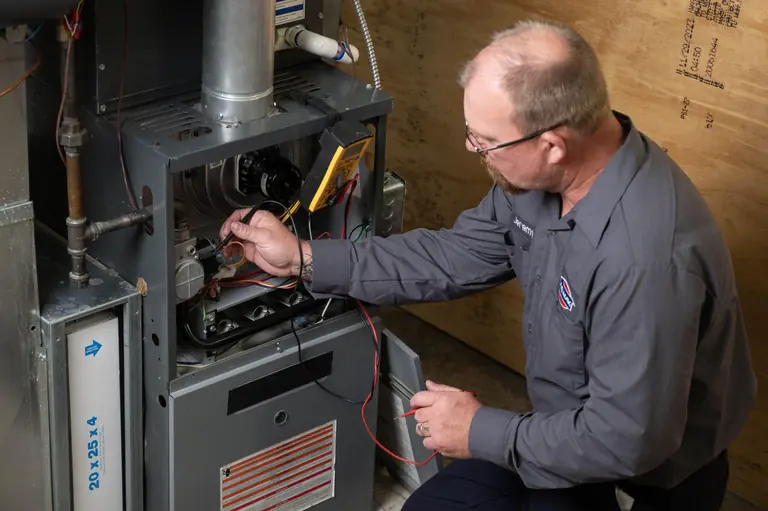
Describe when the temperature gap is largest (morning vs. afternoon) — it helps a technician distinguish thermal lag from an equipment or control issue.
Ask an energy auditor to check basement and rim-joist insulation levels if the effect is strongest near a below-grade space.
If the AC is confirmed to be running unexpectedly, ask specifically about thermostat scheduling or a stuck relay rather than assuming a refrigerant issue.
What a hvac technician or home energy auditor actually does on this job →
How to prevent a house colder than outside coming back
- Adjust thermostat mode seasonally rather than leaving it on Cool or Heat year-round without checking
- Insulate basement walls and rim joist to reduce the influence of below-grade mass
- Keep sun-facing windows unobstructed during cold, sunny days
Frequently asked questions
Why does my house feel colder in the morning than the outdoor temperature already is?
This is a classic thermal-lag pattern — the house's mass held onto overnight cold and the heating system hasn't yet caught up to a rising outdoor temperature.
Does having a basement make this effect worse?
Yes — basements and slab floors are large masses of concrete that release cold slowly, and open stairwells can pull that cooler air up into the main living space.
Could my air conditioner really be running when it doesn't feel hot?
Yes, if the thermostat schedule or mode wasn't updated after a recent warm stretch, it can keep calling for cooling even as outdoor conditions have turned cooler.
Does closing blinds make this worse?
It can, since closed blinds on sun-facing windows block passive solar heat that would otherwise help offset the lag during the day.
Is this a sign my insulation is bad?
Not necessarily — thermal lag is a normal property of massive materials like concrete and masonry, though poor rim-joist and basement insulation can make the effect more pronounced.
Should I be worried about mold if the house feels cold and damp?
Sustained dampness alongside cold surfaces is worth checking with a hygrometer; readings persistently above 60% support mold growth over time regardless of the temperature comparison to outside.
Related problems
- Why Is My House So Cold in Winter?
- Why Is My House Cold When It's Warm Outside?
- Why Is My House Getting Condensation on the Windows?
- Why Is My House So Cold?
Sources
- U.S. Department of Energy — Heating Systems
- ENERGY STAR — Home Sealing and Insulation
- ASHRAE Standard 55 — Thermal Environmental Conditions for Human Occupancy
- US EPA — Mold Course and indoor humidity guidance
- Carrier — technical resources