
Why Is My House Creaking More Than Usual?
Reviewed 2026-08-01 · How we research
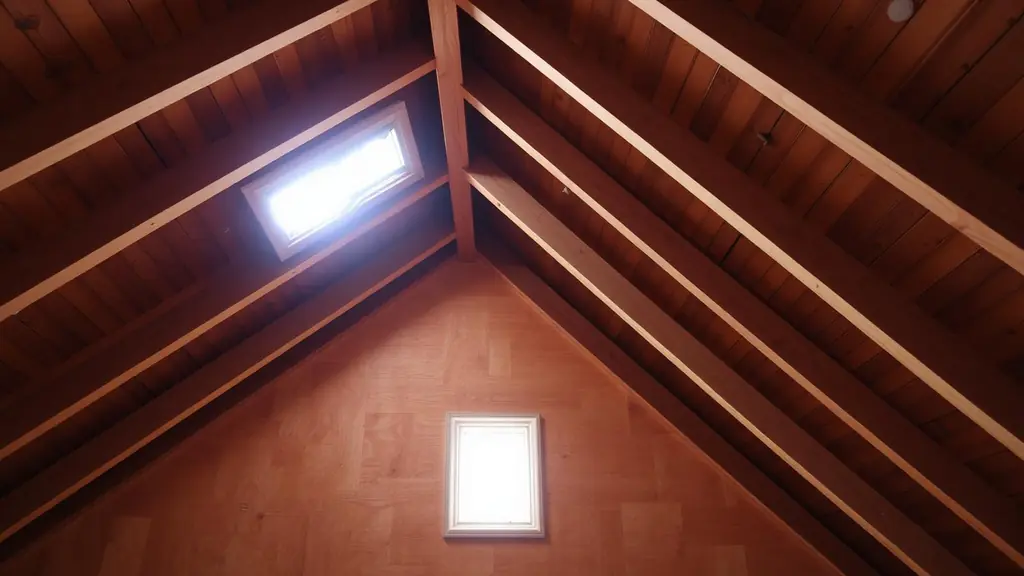
Quick answer: creaking more than usual
An increase in creaking almost always tracks a change in temperature or humidity that makes wood framing expand, contract or flex more than usual. It becomes a structural concern only when it's paired with new cracks, sticking doors, a sloping floor or visible movement.
Get it inspected
Every house creaks; a real increase above your home's normal baseline is usually explained by weather and humidity swings, but a small number of escalation signs mean it needs a professional look.
Creaking safety warning: signs of structural movement
Get a structural evaluation promptly if the increased creaking comes with any of these: new cracks larger than a hairline, a wall or floor that looks visibly out of level, doors that suddenly stick when they didn't before, a floor slope you can feel developing, separation opening up around a beam, column or ceiling joint, movement that started right after a storm or an impact, or a sudden loud structural noise rather than ordinary creaking.
Every wood-framed house creaks — framing lumber, subfloor and trim all move slightly with temperature and moisture, and settle very slowly over decades. What you're noticing is a change from your home's normal background level, and that's the right thing to pay attention to, because a real increase usually has an identifiable trigger.
The good news is that the large majority of 'creaking more than usual' complaints trace to a recent swing in outdoor temperature, a change in indoor heating or humidity, or wind loading on the roof and walls — not to new structural damage. The way to tell the difference is whether the increased noise is accompanied by any visible change in the house itself.
Warning signs of creaking more than usual
- Creaking noticeably louder or more frequent than in past seasons
- Creaking that started around a heating season change or a dry/humid spell
- Creaking concentrated in one area of the house rather than throughout
- Creaking during windy weather that wasn't noticeable before
- Creaking accompanied by any new visible crack, gap or slope
Most likely causes of creaking more than usual, ranked
1. Seasonal temperature swing causing framing expansion and contraction
Most common — especially at the start of a heating or cooling season
Wood framing, subfloor sheathing and trim expand and contract with temperature changes, and the joints between them slide against each other slightly as they do. The first cold snap of fall or the first hot stretch of summer often produces a noticeable jump in creaking as the whole structure adjusts.
10-minute self-test: Note whether the increase began around a sharp outdoor temperature change; if so, expect it to settle back down within a few weeks as the house re-equalizes.
2. Change in indoor humidity
Very common, especially with a new HVAC or humidifier setting
Wood is hygroscopic — it absorbs and releases moisture with the surrounding air and changes dimension slightly as it does. Running a furnace all winter dries the house out and shrinks wood members; a humid summer or a new humidifier does the reverse. Either direction of change can produce a temporary increase in creaking as framing and flooring adjust.
10-minute self-test: Check a hygrometer reading in the affected room; a recent large swing in indoor relative humidity supports this as the cause.
3. Rapid outdoor temperature swings
Common in climates with large day-to-night temperature spread
Attic and roof framing in particular can swing 40–60°F between a sunny afternoon and a cold night, and that daily cycle of expansion and contraction produces creaking and popping that's most noticeable at dusk and dawn as the structure cools or warms.
10-minute self-test: Notice whether the noise happens at consistent times of day — especially early morning or right after sunset — which points to a thermal cycling pattern rather than structural movement.
4. Wind loading on the roof and walls
Common during storms or a windier-than-usual season
Wind pushes and flexes roof framing, trusses and exterior walls slightly, and that flex transmits as creaking through connected framing members. A windier season or a location more exposed than in past years can make this more noticeable even without any change to the house itself.
10-minute self-test: Compare the creaking to current and recent wind conditions; noise that tracks wind gusts and stops when it's calm points to wind loading, not settlement.
5. Normal, slow long-term settling
Common in homes under about 10 years old, and ongoing at a low level in all homes
New construction continues settling into its final position for several years as soil compacts and lumber dries to its final moisture content. This produces a background level of creaking that's normal, but it should be slow and should not accompany new cracks or visible movement.
10-minute self-test: If the home is newer construction and the increase has been gradual over months rather than sudden, this is a reasonable explanation on its own.
6. Roof and truss movement
Occasional, more noticeable in attics
Truss uplift, thermal cycling of roof sheathing, and minor movement at truss connector plates can all produce creaking that's most audible from rooms directly below the attic, particularly during and after weather changes.
10-minute self-test: Check the attic for truss connector plates that look intact and fully seated; separated plates need a professional look rather than being assumed to be normal.
This cause is not a DIY repair — it needs a home inspector or structural engineer.
7. Floor movement from subfloor or joist flex
Common, especially over long spans or near plumbing chases
Subfloor panels that have loosened slightly from the joists below, or floor joists spanning near their maximum allowable distance, flex more as loads move across them and can produce more noticeable creaking as fasteners work loose over time.
10-minute self-test: Walk the floor slowly and note exactly where the creak occurs; a consistent, repeatable location under foot pressure points to a local subfloor or fastener issue rather than a house-wide cause.
8. Foundation movement
Less common — the cause to rule out when other signs are also present
Soil expansion and contraction with moisture changes, poor drainage around the foundation, or long-term settlement can shift the structure enough to change how load transfers through the framing, which changes creaking patterns and is often accompanied by other visible signs.
10-minute self-test: Check for any new or widening cracks in the foundation, drywall or masonry that developed around the same time as the increased creaking.
This cause is not a DIY repair — it needs a home inspector or structural engineer.
Your 10-minute check list for creaking more than usual
- Compare the timing of the increase to recent temperature or humidity changes
- Note whether the noise is house-wide or concentrated in one area
- Walk floors slowly to pinpoint exact creak locations
- Check the attic for loose or separated truss connector plates
- Look for any new cracks, gaps or slope that appeared around the same time
- Track whether the noise correlates with wind or time of day
What it costs to fix creaking more than usual
| Cause / repair | DIY cost | Professional cost |
|---|---|---|
| Monitor and document (no repair needed) | $0 | n/a |
| Add a hygrometer / manage indoor humidity | $15–$60 | n/a |
| Re-secure loose subfloor with screws | $30–$80 | $150–$400 |
| Home inspector general evaluation | n/a | $300–$600 |
| Structural engineer evaluation | n/a | $400–$900 |
| Truss connector plate repair | n/a | $300–$1,200 |
See the full cost breakdown for this repair →
DIY fixes for creaking more than usual
Track the pattern for two weeks
Note the time of day, weather and location of the noise; this pattern is the single most useful piece of information for a professional if one is ever needed.
Stabilize indoor humidity
Keep indoor relative humidity in a consistent moderate range with a humidifier or dehumidifier as the season demands, which reduces the wood movement that drives creaking.
Re-secure accessible loose subfloor
From a basement or crawl space, driving a few subfloor screws up into a joist at a known creak location can quiet a local floor squeak.
Check and clear attic connector plates
If you can safely access the attic, visually confirm truss connector plates are fully seated; do not attempt to repair a separated plate yourself.
Mistakes to avoid with creaking more than usual
- Assuming every increase is 'just the house settling' without checking for the accompanying warning signs
- Ignoring creaking that started right after a storm or an impact
- Papering over or repainting new cracks before a professional has seen them
Where homeowners waste money on creaking more than usual
- A full foundation repair quote before a structural engineer has confirmed foundation movement is actually the cause
- Soundproofing or cosmetic fixes aimed at the noise itself rather than its source
When to call a home inspector or structural engineer about creaking more than usual
Bring your two-week log of when and where the noise happens — it's often enough for an inspector to narrow the cause before they even walk the house.
If a structural engineer is warranted, hire one independently rather than through a repair contractor who profits from finding a problem.
What a home inspector or structural engineer actually does on this job →
How to prevent creaking more than usual coming back
- Keep indoor relative humidity in a stable, moderate range year-round
- Maintain consistent grading and drainage around the foundation
- Have an inspector look at the attic and framing every few years in older homes
- Address small subfloor squeaks early before fasteners loosen further
Why Is My House Creaking More Than Usual — questions homeowners ask
Is it normal for a house to creak more in winter?
Yes. The first sustained cold snap of the season is one of the most common triggers, as framing contracts and heating dries indoor air, both of which change how wood members move against each other.
Why does my house creak more at night?
Temperatures drop faster at night than during the day, so framing and roof sheathing that expanded in daytime sun contract more noticeably after dark, which is when creaking is often most audible in a quiet house.
Should I be worried if the creaking is only in one room?
A creak isolated to one consistent spot under foot pressure is usually a local subfloor or fastener issue, not a whole-house structural concern, unless it's paired with a visible crack or slope in that same area.
Can a new HVAC system cause more creaking?
Yes, indirectly — a furnace or humidifier that changes indoor humidity levels changes how much wood framing and flooring expand or contract, which can noticeably shift the amount of creaking for a season or two.
How long should I monitor before calling a professional?
If the increase is explained by an obvious weather or humidity trigger and there's no new crack, slope or sticking door, two to four weeks of monitoring is reasonable; escalate immediately if any of the warning signs above appear.
Does creaking mean my foundation is failing?
Rarely on its own. Foundation-related creaking is almost always accompanied by other signs — new cracks, a sloping floor, doors that no longer close properly — and those signs, not the noise alone, are what should prompt an engineer's evaluation.
Problems related to creaking more than usual
- Why Is My House Making Creaking Noises at Night?Same part of the house — Houses creak at night because framing cools and contracts after sunset.Foundation & Structure Low urgency — monitor
- Why Is My House Making Popping Noises?Same part of the house — Popping noises are usually a material — sheet-metal ductwork, hot-water piping, framing, or roof decking — snapping back into shape as it expands or contracts with temperature change.Foundation & Structure Get it inspected
- Why Is My House Shaking?Same part of the house — House shaking has causes ranging from harmless — a passing truck, an unbalanced washing machine, HVAC equipment vibration, or wind — to serious, including earthquake ground motion or a structural resonance problem.Foundation & Structure Urgent — act now
- Why Is My House Developing Wall Cracks?Wall cracks usually come from drywall shrinkage, truss uplift or minor seasonal movement, and most are cosmetic.Foundation & Structure Get it inspected
- Why Is My House Getting Sloping Floors?Sloping floors usually come from settling foundation footings, undersized or rotted floor joists, or a failed support post or beam in the crawl space or basement.Foundation & Structure Get it inspected
- Why Is My House Getting Doors That Stick?Doors stick most often because of seasonal wood swelling, loose hinge screws, or paint buildup on the frame — all easy fixes.Foundation & Structure Low urgency — monitor
Sources used for creaking more than usual
- FEMA — Earthquake Safety
- U.S. Geological Survey — Earthquake Hazards Program
- International Code Council — International Residential Code, Wood Framing