
Why Is My House Developing Wall Cracks?
Reviewed 2026-07-30 · How we research
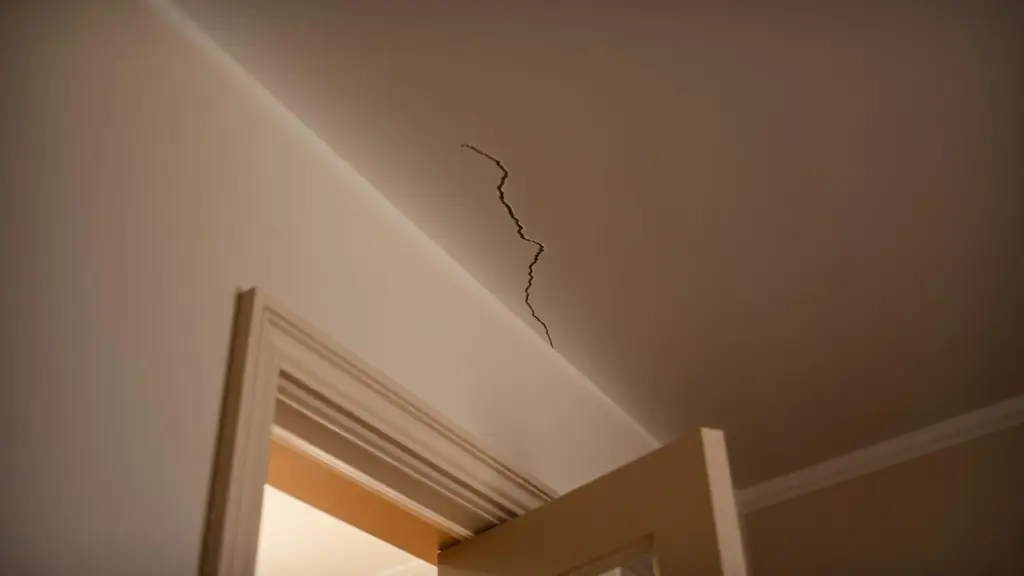
Quick answer: wall cracks
Wall cracks usually come from drywall shrinkage, truss uplift or minor seasonal movement, and most are cosmetic. Cracks wider than 1/4 inch, diagonal cracks from corners of doors and windows, or cracks that grow within 60 days indicate foundation or framing movement that needs a structural engineer.
Get it inspected
Hairline cracks under 1/16 inch at drywall seams and corners are normal shrinkage. Diagonal cracks from door/window corners, cracks wider than 1/4 inch, or stair-step cracks in masonry point to movement and need evaluation.
Almost every house develops some wall cracking within the first few years, because framing lumber and drywall compound both lose moisture and shrink after construction. The key is separating that normal shrinkage from cracks caused by the foundation or framing actually moving underneath the wall.
Width, direction and location tell most of the story. A crack you can measure and track for 60 days will tell you the rest.
Warning signs of wall cracks
- Diagonal cracks running from the corners of doors or windows
- Cracks wider than 1/4 inch or that you can fit a dime edge into
- Cracks that continue growing when checked again a month later
- Cracks paired with sticking doors, sloped floors or gaps at trim
- Stair-step cracking in brick or block veneer
Most likely causes of wall cracks, ranked
1. Drywall joint and corner-bead shrinkage
Most common — affects the large majority of homes at some point
Drywall compound loses water as it cures, and framing lumber continues drying for one to two years after a house is built, shrinking slightly across its grain. Both movements concentrate stress at taped joints and inside corners, producing thin, straight cracks that reappear even after repainting. This is cosmetic and does not indicate structural movement.
10-minute self-test: Measure the crack width with a crack card or the edge of a credit card (about 1/32 inch thick). If it's a straight hairline under 1/16 inch at a seam or corner and doesn't align with a door or window corner, it's shrinkage.
If that test is negative: Diagonal orientation, width over 1/4 inch, or displacement (one side higher than the other) rule this out.
2. Seasonal truss uplift and framing movement
Common in winter, especially with attic trusses
Roof trusses have a cold, dry top chord and a warmer, moist bottom chord in winter, causing the truss to arch upward and pull ceiling drywall away from interior partition walls. This same movement can telegraph small cracks down the top of interior walls near the ceiling line each winter, closing again in summer.
10-minute self-test: Check whether the crack is at the very top of a wall near the ceiling-wall joint, and note whether it changes size between winter and summer visits.
If that test is negative: A crack that stays the same size year-round is not truss uplift.
3. Minor foundation settlement within normal tolerances
Common in homes under 5 years old
Soil under a new foundation continues to consolidate for a few years after construction, and IRC-compliant foundations are designed to tolerate small amounts of differential settlement. This produces thin diagonal cracks near door and window corners that stabilize once the soil settles fully.
10-minute self-test: Tape a strip of paper across the crack, date it, and check in 60 days. If it hasn't grown and doors still close normally, it has likely stabilized.
If that test is negative: Ongoing growth past 60 days, or a house older than 5 years with new cracking, rules this out as simple settlement.
4. Active foundation movement from expansive soil or drainage failure
Less common but the reason for most 1/4-inch-plus cracks
Expansive clay soils swell when wet and shrink when dry, cycling the foundation up and down and cracking walls above. Downspouts dumping water at the foundation, or negative grading that pools water against the wall, accelerate this. Diagonal cracks radiating from corners, doors that suddenly bind, and floors that slope are the corroborating evidence.
10-minute self-test: Walk the perimeter after rain and check whether downspouts discharge within 5 feet of the wall and whether soil slopes away at least 6 inches over the first 10 feet, per IRC R401.3.
This cause is not a DIY repair — it needs a structural engineer.
5. Structural framing failure, undersized headers or overloaded beams
Uncommon, but requires immediate engineering evaluation
A cracked or sagging header over a wide opening, an undersized beam, or a removed load-bearing wall from a past renovation can crack drywall along the load path, often paired with visible sag in the floor or ceiling above. This is a genuine safety concern, not a cosmetic one.
10-minute self-test: Check whether the crack lines up beneath a floor above that feels bouncy, or near a wall that was altered during a remodel.
If that test is negative: No connection to a modified wall or bearing point argues against this cause.
This cause is not a DIY repair — it needs a structural engineer.
6. Stair-step cracking in masonry or brick veneer
Uncommon but a clear structural signal
Cracks that zigzag along mortar joints in a stair-step pattern in brick, block or stucco indicate differential settlement of the foundation beneath the veneer. Per most structural inspection standards, stair-step cracks wider than 1/4 inch or with visible displacement between courses are a red flag for foundation movement.
10-minute self-test: Look along exterior brick or block for a zigzag crack pattern following mortar joints rather than a straight vertical line.
This cause is not a DIY repair — it needs a structural engineer.
Your 10-minute check list for wall cracks
- Measure crack width with a crack gauge card or the edge of a coin.
- Tape a dated paper strip across the crack and recheck in 60 days.
- Check whether nearby doors and windows still open and close square.
- Roll a marble on the floor near the crack to check for sloping.
- Check downspout discharge points and grading slope around the foundation.
What it costs to fix wall cracks
| Cause / repair | DIY cost | Professional cost |
|---|---|---|
| Drywall crack repair and repaint | $20–$60 | $250–$600 |
| Corner bead replacement | $30–$80 | $300–$700 |
| Crown molding to hide truss uplift | $100–$300 | $500–$1,500 |
| Structural engineer inspection | n/a | $400–$900 |
| Downspout extension and regrading | $50–$200 | $800–$3,000 |
| Foundation piering/underpinning | n/a | $6,000–$30,000 |
| Header or beam replacement | n/a | $2,500–$8,000 |
See the full cost breakdown for this repair →
DIY fixes for wall cracks
Track before you patch
Photograph and date every crack with a coin for scale, and hold off on repainting until you've confirmed the crack is stable across a full season.
Extend downspouts and fix grading
Extend downspouts at least 5 feet from the foundation and restore 6 inches of fall over the first 10 feet of soil, per IRC R401.3, before treating any crack.
Repair cosmetic cracks properly
Use fiberglass mesh tape and setting-type joint compound rather than pre-mixed mud on recurring cracks — it flexes less and resists reopening.
Float crown molding over truss uplift cracks
Fasten crown molding to the ceiling only, not the wall, so it can move with seasonal truss uplift without cracking again.
Mistakes to avoid with wall cracks
- Painting over a crack before tracking its width for at least 60 days.
- Accepting a free inspection from a company that only sells foundation repair.
- Injecting or sealing a crack that is still actively growing without addressing the underlying drainage or soil cause.
Where homeowners waste money on wall cracks
- Free foundation inspections from repair-only companies.
- Cosmetic crack repair before growth has stabilized for at least 60 days.
- Full underpinning for hairline cosmetic cracks in a house under 5 years old.
When to call a structural engineer about wall cracks
Hire an independent structural engineer before any foundation contractor if a crack exceeds 1/4 inch, shows displacement, or keeps growing — a $400–$900 report can prevent an unnecessary $20,000 repair.
Fix drainage and grading issues before paying to repair or inject any crack; if the water source isn't corrected, the crack will return.
Get three independent bids if an engineer confirms structural repair is needed, and avoid contractors who both diagnose and sell the fix.
What a structural engineer actually does on this job →
How to prevent wall cracks coming back
- Keep grading sloped away from the foundation at 6 inches of fall over the first 10 feet.
- Extend all downspouts at least 5 feet from the foundation.
- Maintain consistent soil moisture around the foundation in expansive-clay regions with soaker hoses in drought.
- Use flexible tape and setting compound on recurring drywall joints.
Why Is My House Developing Wall Cracks — questions homeowners ask
What size wall crack is normal?
Hairline cracks under 1/16 inch at drywall seams, corners and taped joints are normal shrinkage and not a structural concern. Cracks approaching or exceeding 1/4 inch, especially diagonal ones from door or window corners, need evaluation.
Why do cracks appear near doors and windows?
Corners of openings concentrate stress because the wall framing is interrupted there. Both normal shrinkage and genuine settlement show up first at these weak points, which is why the width and growth rate matter more than the location alone.
Should I repair a crack myself?
Yes, once you've confirmed with a 60-day paper-strip test that it isn't growing. Use mesh tape and setting compound rather than pre-mixed mud for a repair that holds.
Do all foundation cracks mean I need piering?
No. Many foundations crack slightly as new soil settles and remain within design tolerances. Piering is appropriate only after an independent structural engineer confirms ongoing movement beyond normal limits.
Problems related to wall cracks
- Why Is My House Getting a Sagging Ceiling?Often shows up alongside this problem. A sagging ceiling is most often caused by water damage from a roof or plumbing leak soaking the drywall, failed drywall fasteners, or an overloaded or damaged joist above.Foundation & Structure Urgent — act now
- Why Is My House Getting Sloping Floors?Often shows up alongside this problem. Sloping floors usually come from settling foundation footings, undersized or rotted floor joists, or a failed support post or beam in the crawl space or basement.Foundation & Structure Get it inspected
- Why Is My House Getting Doors That Stick?Often shows up alongside this problem. Doors stick most often because of seasonal wood swelling, loose hinge screws, or paint buildup on the frame — all easy fixes.Foundation & Structure Low urgency — monitor
- Why Is My House Getting Water Pooled Near the Foundation?Often shows up alongside this problem. Water pools near the foundation most often because the soil grade slopes toward the house instead of away, downspouts discharge too close to the wall, or the soil is naturally slow-draining clay.Yard, Drainage & Property Get it inspected
- Why Is My House Making Creaking Noises at Night?The same structural engineer handles this one. Houses creak at night because framing cools and contracts after sunset.Foundation & Structure Low urgency — monitor
Sources used for wall cracks
- InterNACHI — structural inspection standards and crack evaluation
- IRC R401.3 — foundation drainage and grading requirements
- ASCE — residential foundation performance guidance
- US DOE Building America — seasonal wood moisture content and truss uplift