
Why Is My House Getting a Sagging Ceiling?
Reviewed 2026-07-30 · How we research
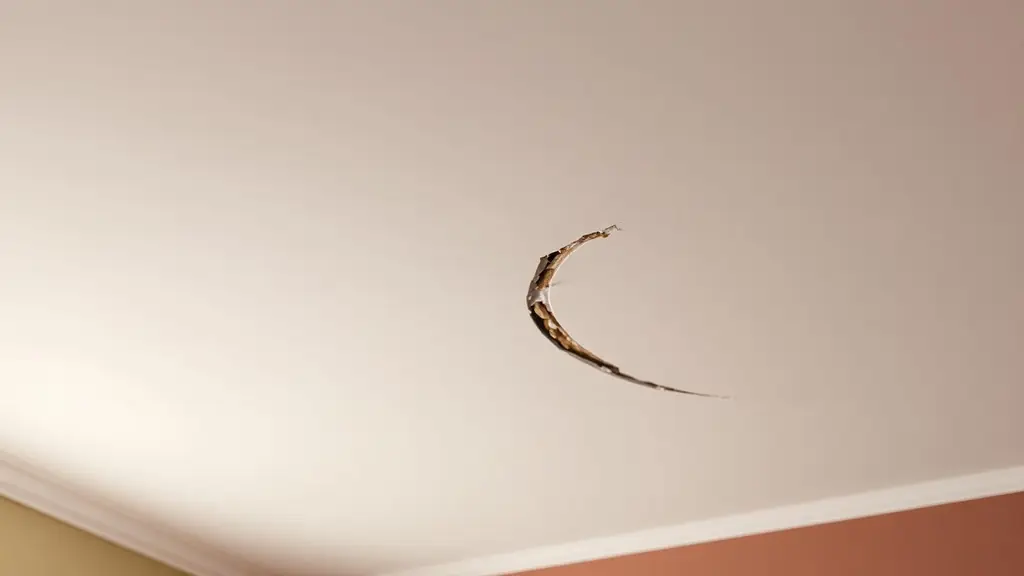
⚠️ Sagging ceiling emergency steps before inspection
Stay out from under a visibly sagging or bulging ceiling and keep others out of the room. A ceiling holding standing water can collapse without warning under hundreds of pounds of load. If the ceiling is bulging, dripping, or you hear cracking, evacuate the room, shut off water to the area if a plumbing leak is suspected, and call a professional immediately. Do not push on or poke the ceiling from below.
Quick answer: sagging ceiling
A sagging ceiling is most often caused by water damage from a roof or plumbing leak soaking the drywall, failed drywall fasteners, or an overloaded or damaged joist above. A wet, bulging ceiling can collapse and should be treated as an emergency — stay out of the room and call a professional immediately.
Urgent — act now
A ceiling that sags, bulges or shows cracking sheetrock is a collapse risk, especially if wet. Treat any active sag as urgent until a professional confirms the cause and structural condition.
Drywall ceilings are only rated to carry their own weight plus insulation — roughly 1.1 pounds per square foot for standard 1/2-inch drywall. Water, insulation buildup, or a failed structural member above can quickly exceed that, and a sagging ceiling is the visible warning before a collapse.
The first question is always whether the sag is wet or dry, because a wet, bulging ceiling can fail suddenly with no further warning.
Warning signs of sagging ceiling
- A visible dip, bulge or wave in an otherwise flat ceiling
- Brown or yellow staining accompanying the sag
- Cracking sounds or visible cracks radiating from the sagging area
- Drywall that feels soft or spongy when lightly touched with a broom handle from a safe distance
- Dripping water or a musty smell in the affected room
Most likely causes of sagging ceiling, ranked
1. Active roof or plumbing leak soaking the drywall
Most common cause of a genuinely sagging ceiling
Standard 1/2-inch drywall absorbs water and loses most of its strength when saturated; a leak from a roof, upstairs bathroom, or supply line can add many pounds of water weight to a small area within hours. The paper facing delaminates from the gypsum core, and the ceiling bulges downward before eventually collapsing if the leak continues.
10-minute self-test: Look for a leak source directly above the sag — an upstairs bathroom, an attic penetration, or a roof valley. Do not touch or push the ceiling; check for dripping and shut off water to any fixture directly above if a plumbing leak is suspected.
This cause is not a DIY repair — it needs a general contractor or structural engineer.
2. Failed drywall fasteners or aging adhesive (dry sag)
Common in older homes with popcorn or glued ceilings
Drywall fastened with nails instead of screws, or older ceilings hung with adhesive alone, can gradually pull away from the joists as the fasteners back out over decades. This produces a slow, dry sag without staining, most common on ceilings over 30 years old or those with heavy texture coatings.
10-minute self-test: Check for the absence of water staining, and look for visible screw or nail pops (small dimples) near the sagging area.
If that test is negative: Any staining or dampness rules this out in favor of a water-related cause.
3. Insulation overload or a vapor barrier holding condensation
Common in older attics with blown-in insulation added over time
Repeated top-ups of blown-in insulation can exceed the drywall's rated load, especially if insulation has shifted or settled unevenly, or if a poly vapor barrier above the ceiling has trapped condensation that adds weight over time.
10-minute self-test: In the attic, check whether insulation is unusually deep or clumped directly above the sagging spot, and feel for dampness in the insulation.
This cause is not a DIY repair — it needs a general contractor or structural engineer.
4. An overloaded, undersized or damaged ceiling joist
Less common but structurally serious
A joist notched or drilled beyond code limits, damaged by a past leak, or undersized for a load added above (such as stored items in the attic) can sag under load, pulling the attached drywall down with it. IRC framing tables set minimum joist sizes and span limits for a reason.
10-minute self-test: In the attic, sight down the joists above the sag with a flashlight for visible bowing, cracking, or notching near mid-span.
This cause is not a DIY repair — it needs a general contractor or structural engineer.
5. Truss uplift or seasonal humidity movement (minor cosmetic sag)
Less common, usually mild and seasonal
In homes with engineered roof trusses, seasonal humidity differences between the truss chords can cause minor visible waviness at the ceiling perimeter, distinct from a true structural sag concentrated in the middle of a room.
10-minute self-test: Check whether the apparent sag is actually a gap at the wall-ceiling joint rather than a true dip in the middle of the ceiling field.
Your 10-minute check list for sagging ceiling
- Look for staining, dripping or dampness before touching anything.
- Check the attic above the sag for insulation depth, dampness and joist condition with a flashlight.
- Identify and shut off water to any plumbing fixture directly above the sag.
- Keep people and furniture out of the room below an active sag.
What it costs to fix sagging ceiling
| Cause / repair | DIY cost | Professional cost |
|---|---|---|
| Emergency water shutoff / temporary drainage | $0 | $150–$400 call fee |
| Drywall ceiling patch and repaint (small area) | $40–$120 | $350–$800 |
| Full ceiling replacement (average room) | $200–$500 | $1,200–$3,500 |
| Roof leak repair | n/a | $300–$1,500 |
| Plumbing leak repair | n/a | $250–$1,200 |
| Joist sistering or reinforcement | n/a | $800–$3,000 |
| Structural engineer inspection | n/a | $400–$900 |
See the full cost breakdown for this repair →
DIY fixes for sagging ceiling
Relieve trapped water safely
If you can see a small, controlled bulge of trapped water and the room is empty, a professional can puncture it from below into a bucket in a controlled way — this is not a DIY step given electrical hazards from wiring above.
Shut off the water source
If a plumbing fixture above is the likely source, shut off its supply valve immediately to stop additional weight from accumulating.
Clear the room
Move furniture and people out from under the sag until a professional has assessed it — this costs nothing and removes the injury risk.
Mistakes to avoid with sagging ceiling
- Poking or pushing on a sagging, wet ceiling from below without professional guidance.
- Ignoring a dry sag because it isn't actively dripping — fastener failure gets worse, not better.
- Painting over a stain before finding and fixing the leak source.
Where homeowners waste money on sagging ceiling
- Repainting a stained ceiling without finding the leak source.
- Patching a sag without checking the attic for the underlying cause first.
When to call a general contractor or structural engineer about sagging ceiling
Call a professional immediately for any wet, bulging or actively dripping ceiling — this is a collapse hazard, not a wait-and-see repair.
Get the leak source diagnosed and fixed before any drywall repair, or the sag and staining will return.
Bring in a structural engineer if the sag is paired with a joist you can see is bowed, cracked or notched.
What a general contractor or structural engineer actually does on this job →
How to prevent sagging ceiling coming back
- Have the roof inspected annually and after major storms.
- Check attic insulation depth and moisture every few years, especially after adding insulation.
- Address any ceiling stain within days, not months.
- Use drywall screws, not nails, on any ceiling repair or renovation.
Why Is My House Getting a Sagging Ceiling — questions homeowners ask
Is a sagging ceiling an emergency?
A wet, bulging or dripping ceiling is an emergency — it can collapse with little warning under the weight of trapped water. A dry sag from aging fasteners is not immediately dangerous but should still be addressed promptly.
Can I puncture a water-filled ceiling bulge myself?
It's safer to have a professional do this. Ceilings often conceal electrical wiring, and controlled draining requires care to avoid a larger collapse or shock hazard.
How much weight can a ceiling hold before it sags?
Standard 1/2-inch drywall is designed for roughly 1.1 pounds per square foot of its own weight plus insulation. Trapped water or excess insulation can quickly exceed that margin.
Will a sagging ceiling fix itself once it dries out?
No. Once drywall paper delaminates from the gypsum core or fasteners pull loose, the panel has permanently lost strength and needs to be replaced, not just dried and repainted.
Problems related to sagging ceiling
- Why Is My House Getting a Ceiling Stain?Often shows up alongside this problem. Ceiling stains almost always come from water tracking along roof sheathing or rafters from a leak at flashing, a valley or a vent boot, or from a plumbing leak in a bathroom or HVAC line above.Roof, Attic & Gutters Get it inspected
- Why Is My House Getting Ice Dams on the Roof?Ice dams form when heat escaping into the attic melts snow on the upper roof, and the meltwater refreezes at the colder, unheated eave, building a ridge of ice that backs water up under the shingles.Roof, Attic & Gutters Get it inspected
- Why Is My House Developing Wall Cracks?Often shows up alongside this problem. Wall cracks usually come from drywall shrinkage, truss uplift or minor seasonal movement, and most are cosmetic.Foundation & Structure Get it inspected
- Why Is My House Smelling Musty?A musty smell is microbial volatile organic compounds — geosmin and 2-methylisoborneol — released by mold and bacteria digesting damp material.Smells & Odors Get it inspected
Sources used for sagging ceiling
- InterNACHI — structural inspection standards for ceilings and framing
- IRC Chapter 8 — floor and ceiling framing requirements
- NFPA — residential water damage and structural collapse data
- US DOE Building America — attic insulation and moisture guidance