
Why Is My House Getting a Burning Electrical Smell?
Reviewed 2026-07-30 · How we research
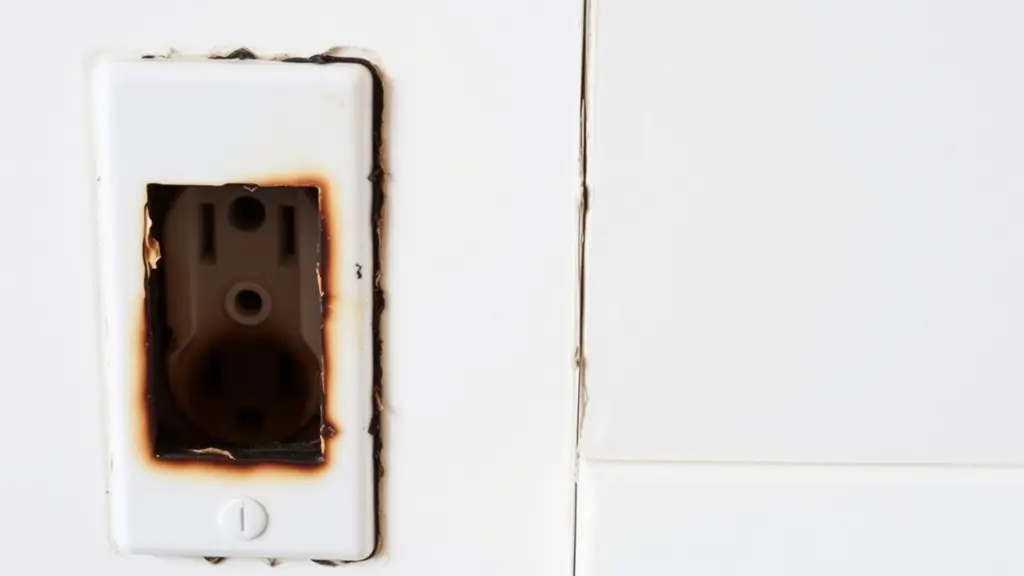
⚠️ What to do first if you smell burning electrical wiring
A burning plastic or electrical smell means insulation or components are overheating right now. Evacuate if the smell is strong or you see smoke, call 911, and otherwise shut off power at the breaker only if you can do so without touching any warm or damaged equipment, then call a licensed electrician immediately.
Quick answer: burning electrical smell
A burning electrical smell is caused by overheating insulation, an overloaded circuit, or an arcing connection reaching temperatures high enough to scorch plastic. The CPSC identifies overheated wiring as a top cause of home fires. Locate the source, cut power at the breaker if safe, and call an electrician immediately.
Urgent — act now
A burning electrical odor is an active fire hazard. Locate the breaker if you can do so safely, shut it off, and call an electrician or fire department immediately.
Electrical insulation and components are engineered to run cool. When plastic housing, wire insulation, or a motor winding overheats, it releases a distinctive acrid, burning-plastic odor before any visible flame appears. This smell is your earliest warning of an electrical fire.
Speed matters here more than diagnosis. The first step is always to identify the room the smell is strongest in, shut off power to that area at the panel if you can do so safely, and call an electrician the same day — not schedule for next week.
Warning signs of burning electrical smell
- Acrid, plastic-like burning smell concentrated near an outlet, switch, appliance or panel
- Smell gets stronger when a specific appliance or circuit is running
- Visible smoke, scorch marks, or melted plastic
- Warm walls, outlets, or switch plates near the smell
- Breaker tripped around the same time the smell started
Most likely causes of burning electrical smell, ranked
1. An overheating outlet, switch, or wire connection
Most common source of a burning smell
A loose connection at an outlet, switch, or splice creates resistance that generates localized heat, sometimes reaching several hundred degrees at the contact point — hot enough to scorch the surrounding plastic housing and produce a burning odor well before any visible damage. This is the same failure mode behind warm outlets, just further along.
10-minute self-test: Follow the smell room to room to narrow down the source, then check nearby outlets and switches for warmth or discoloration without touching bare metal or removing covers.
This cause is not a DIY repair — it needs a licensed electrician.
2. A failing appliance motor or component
Very common — often traced to a specific device
Motors in refrigerators, dishwashers, furnace blowers, and bathroom fans use insulated windings that overheat and smell like burning plastic or varnish when a bearing seizes or the motor is overworked. Unlike a wiring fault, this smell is usually localized to a single appliance and appears only while it's running.
10-minute self-test: Note whether the smell only occurs while one specific appliance runs, and stops within minutes of turning it off. Unplug that appliance and do not use it again until it's inspected.
This cause is not a DIY repair — it needs a licensed electrician.
3. An overloaded circuit or panel component overheating
Common in older homes or during high-demand seasons
Running space heaters, window AC units and other high-draw devices on the same circuit for extended periods raises wire temperature past its insulation rating. In the panel itself, a bus bar connection or breaker under chronic overload can overheat similarly, and this is more dangerous because it's harder to isolate and inspect safely.
10-minute self-test: If the smell is near the panel itself rather than a room, do not open the cover — call an electrician immediately, as this is one of the more serious source locations.
This cause is not a DIY repair — it needs a licensed electrician.
4. A rodent-damaged or pinched wire inside a wall
Less common but found regularly in older or rural homes
Rodents chew through wire insulation, exposing bare conductors that can arc against wood framing, insulation, or ductwork and ignite a smoldering fire inside a wall cavity long before flames are visible — this is a leading cause of hidden-source burning smells with no obvious outlet or appliance nearby.
10-minute self-test: Check the attic, crawlspace and areas with known rodent activity for chew marks on visible wiring, and note if the smell is strongest along an interior wall with no outlets.
This cause is not a DIY repair — it needs a licensed electrician.
5. Dust burning off a heating element or furnace
Common and often harmless — but must be ruled out
The first use of a furnace, baseboard heater, or space heater each season commonly produces a brief burning-dust smell as accumulated particles on the heating element burn off. This typically clears within 15-30 minutes and does not recur.
10-minute self-test: If the smell coincides with the season's first heating cycle and fades within half an hour without recurring, this is the likely benign explanation — but treat any recurrence or lingering smell as a real fault.
If that test is negative: A smell that persists beyond 30 minutes or recurs on subsequent heating cycles is not simple dust burn-off.
Your 10-minute check list for burning electrical smell
- Walk through the house to identify which room the smell is strongest in
- Check whether the smell coincides with a specific appliance or the season's first heating cycle
- Look for scorch marks, melted plastic, or warm surfaces near outlets and switches without touching them
- Check the electrical panel from the outside for a burning smell or visible discoloration
What it costs to fix burning electrical smell
| Cause / repair | DIY cost | Professional cost |
|---|---|---|
| Emergency electrician diagnostic visit | $0 | $150–$350 |
| Outlet or switch replacement | not recommended | $120–$250 |
| Appliance motor replacement | n/a | $200–$600 |
| Rodent-damaged wire repair | not realistic | $300–$1,200 |
| Panel component repair or replacement | not realistic | $500–$2,500 |
See the full cost breakdown for this repair →
DIY fixes for burning electrical smell
Shut off power to the affected area at the panel
If you can identify the correct breaker without touching anything warm, discolored, or damaged, switch it off to remove power from the suspected fault while you wait for an electrician.
Unplug the suspected appliance
If the smell is clearly tied to one appliance and stops when it's off, unplug it and don't use it again until an electrician or appliance technician inspects it.
Mistakes to avoid with burning electrical smell
- Never ignore a burning smell hoping it resolves on its own
- Do not open panel covers, remove outlet covers, or touch any warm electrical component
- Do not spray air freshener to mask the smell instead of investigating
Where homeowners waste money on burning electrical smell
- Air fresheners or ozone machines to mask the smell
- Replacing an appliance before confirming the smell isn't actually coming from the wiring feeding it
When to call a licensed electrician about burning electrical smell
An electrician will use a thermal imaging camera to scan the panel, outlets, and accessible wiring to pinpoint the overheating source without opening every device.
If the smell traces to the panel itself, most electricians recommend a full panel inspection rather than spot repair, since bus bar damage often affects adjacent breakers too.
What a licensed electrician actually does on this job →
How to prevent burning electrical smell coming back
- Have an electrical inspection every 10 years, or at time of home purchase
- Seal rodent entry points and inspect attics/crawlspaces for chewed wiring annually
- Avoid overloading circuits with multiple high-wattage seasonal appliances
Why Is My House Getting a Burning Electrical Smell — questions homeowners ask
What does an electrical fire smell like?
Most describe it as an acrid, plastic-like burning smell, distinct from wood smoke or burning food, often compared to a hot hairdryer or burning rubber.
Should I call 911 for a burning electrical smell?
If you see smoke, flames, or the smell is strong and you cannot identify or safely isolate the source, call 911 immediately. Otherwise, shut off power safely and call an electrician the same day.
Can a burning smell come and go and still be dangerous?
Yes. Intermittent burning smells often mean an intermittent loose connection or arcing fault that only manifests under certain loads, and these are just as dangerous as constant ones.
Is a burning dust smell from my furnace normal?
A brief burning-dust smell during the season's first heating cycle is common and usually clears within 30 minutes. Anything longer or recurring needs inspection.
Problems related to burning electrical smell
- Why Is My House Having Warm Electrical Outlets?Often shows up alongside this problem. Warm outlets are almost always caused by a loose wire connection or an overloaded circuit generating resistive heat.Electrical, Lighting & Power Urgent — act now
- Why Is My House Having a Breaker That Keeps Tripping?Often shows up alongside this problem. Your breaker keeps tripping because the circuit is drawing more current than its rating, or a short/ground fault is pulling current outside the wire.Electrical, Lighting & Power Get it inspected
- Why Is My House Having Half the Power Out?Often shows up alongside this problem. Half your power going out usually means you've lost one of the two 120V legs coming from the utility transformer, while the other leg still feeds some circuits.Electrical, Lighting & Power Urgent — act now
- Why Is My House Getting a Furnace That Blows Cold Air?Often shows up alongside this problem. A furnace blowing cold air is most often the thermostat fan set to ON instead of AUTO, which circulates air between heating cycles.Heating, Cooling & Air Get it inspected
Sources used for burning electrical smell
- Consumer Product Safety Commission — Electrical Fire Hazards
- NFPA — Home Electrical Fires Report
- U.S. Fire Administration — Electrical Fire Safety Outreach