
Why Is My House Having a Breaker That Keeps Tripping?
Reviewed 2026-07-30 · How we research
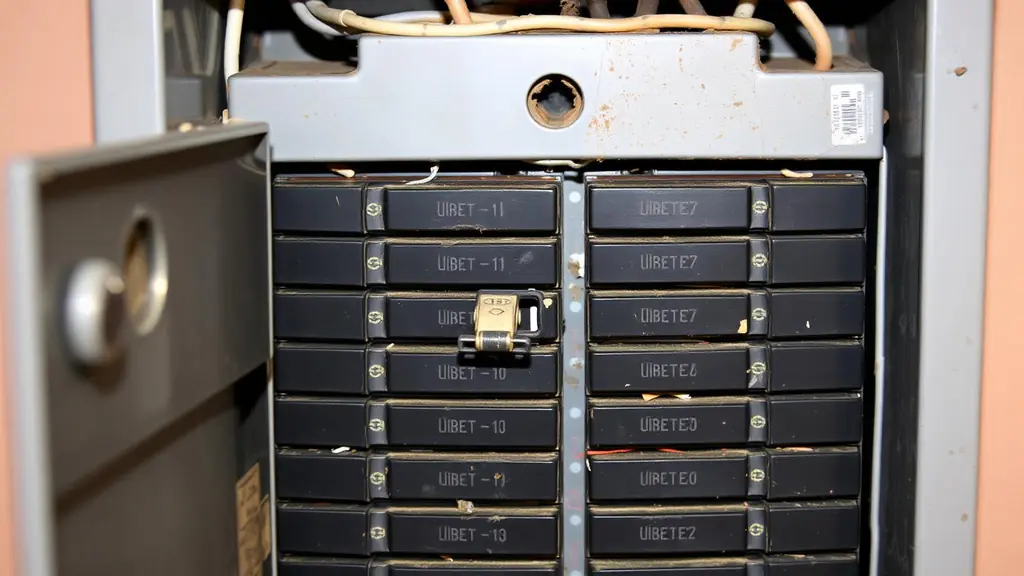
Quick answer: breaker that keeps tripping
Your breaker keeps tripping because the circuit is drawing more current than its rating, or a short/ground fault is pulling current outside the wire. A 15A circuit is rated for 1,440 watts of continuous load under NEC 210.20's 80% rule. Space heaters, hair dryers and window AC units alone often exceed that.
Get it inspected
A breaker that trips once under heavy load is normal protection working correctly. One that trips instantly on reset, or trips several times a day, needs diagnosis within days.
A circuit breaker is not a nuisance switch — it is a fuse-like safety device sized to the wire gauge behind it. When it trips, it is telling you the wire got hotter than its insulation is rated to handle, or that current found a path it should not have.
The trip speed is diagnostic. Instant trips on reset with no load connected point to a short or ground fault inside the wiring or a device. Trips after minutes of running space heaters, hair dryers or window units point to simple overload. AFCI and GFCI breakers add two more failure modes: arc-fault detection and ground-fault leakage, both required by NEC 210.12 and 210.8 in most living spaces and wet areas built or renovated since 2014.
Warning signs of breaker that keeps tripping
- Breaker trips within seconds of being reset with nothing plugged in
- Trips only when a specific appliance runs
- Breaker handle feels loose or won't stay in the ON position
- Warm or discolored breaker or panel cover
- AFCI/GFCI breaker trips without an obvious ground fault
Most likely causes of breaker that keeps tripping, ranked
1. Circuit overload from too many devices
Most common — roughly 4 in 10 cases
A 15A circuit is rated for 1,440 watts continuous and a 20A circuit for 1,920 watts, per NEC 210.20's 80% continuous-load rule. Space heaters draw 1,500 watts, hair dryers 1,200–1,875 watts, and window AC units 1,000–1,500 watts — any one of these can max out a circuit shared with lighting and other outlets. This is the least dangerous cause and the easiest to fix.
10-minute self-test: Unplug everything on the circuit, reset the breaker, then plug items back in one at a time, noting wattage on each label. If it trips only after a specific combination, you have found your overload.
If that test is negative: If the breaker trips instantly with nothing plugged in anywhere on the circuit, this is not overload.
2. A short circuit in a cord, fixture or appliance
Common — trips instantly and repeatedly
A short happens when a hot wire contacts a neutral or ground wire directly, creating a near-zero-resistance path that spikes current instantly. Frayed appliance cords, pinched wires behind furniture, and failed light fixtures are the usual sources. The breaker will trip within a second of being reset even with nothing else connected.
10-minute self-test: Unplug every device on the circuit and turn off switches, then reset the breaker. If it holds with everything disconnected, reconnect one device at a time to isolate the faulty cord or fixture.
This cause is not a DIY repair — it needs a licensed electrician.
3. A ground fault in wiring or a wet-area appliance
Common in kitchens, bathrooms and outdoor circuits
A ground fault occurs when current leaks to a grounded surface instead of returning through the neutral — often from moisture intrusion in an outdoor outlet, a damaged appliance cord, or a nicked wire in a wall. GFCI breakers and outlets trip at just 4–6 milliamps of leakage under UL 943, far below what a standard breaker would ever notice.
10-minute self-test: Unplug all appliances on the GFCI circuit and press reset. If it holds, plug items back in individually — a specific appliance or an outdoor receptacle exposed to rain is the likely source.
This cause is not a DIY repair — it needs a licensed electrician.
4. An aging or failing breaker
Less common — more likely in panels over 20 years old
Breakers wear out. The internal bimetallic strip that senses heat can weaken and trip at loads well below its rating, or the mechanical latch can fail intermittently. This is especially common with Federal Pacific Electric and Zinsco panels, which UL testing and Consumer Reports both found fail to trip reliably even under genuine overloads.
10-minute self-test: If the same breaker trips under light loads that other identical breakers in the panel handle fine, and the wiring downstream tests clean, the breaker itself is suspect.
This cause is not a DIY repair — it needs a licensed electrician.
5. Nuisance AFCI tripping from normal arc-producing devices
Less common — specific to AFCI-protected circuits
AFCI breakers detect the electrical signature of arcing and can misread the brush noise from vacuum motors, some LED dimmers, or older appliances as a dangerous arc fault. This is a known limitation acknowledged by AFCI manufacturers, not a wiring defect, though it should not be assumed without ruling out an actual arc.
10-minute self-test: Note which specific appliance is running each time it trips. If it is consistently the same vacuum or motorized tool and an electrician confirms no wiring fault, nuisance tripping is likely.
This cause is not a DIY repair — it needs a licensed electrician.
Your 10-minute check list for breaker that keeps tripping
- Note whether the breaker trips instantly on reset or only after running an appliance
- Check the wattage labels on everything plugged into that circuit
- Look for a warm, discolored, or loose-fitting breaker in the panel from outside — do not touch internal parts
- Check outdoor and bathroom outlets for moisture near the GFCI
What it costs to fix breaker that keeps tripping
| Cause / repair | DIY cost | Professional cost |
|---|---|---|
| Diagnostic visit / panel inspection | $0 | $100–$250 |
| Standard breaker replacement | not recommended | $150–$300 |
| AFCI/GFCI breaker replacement | not recommended | $200–$400 |
| New dedicated circuit for a major appliance | n/a | $400–$1,200 |
| Federal Pacific / Zinsco panel replacement | not realistic | $2,000–$4,500 |
See the full cost breakdown for this repair →
DIY fixes for breaker that keeps tripping
Redistribute high-wattage appliances
Move space heaters, hair dryers or window units to separate circuits rather than running several from one bank of outlets. This is free and solves the most common cause outright.
Unplug and inspect cords for damage
Look for frayed insulation, pinch points behind furniture, or heat discoloration at the plug. Replace any damaged cord immediately rather than taping it.
Test GFCI outlets monthly
Press the TEST and RESET buttons on bathroom, kitchen and outdoor GFCI outlets. A GFCI that won't reset needs replacement.
Mistakes to avoid with breaker that keeps tripping
- Never install a higher-amperage breaker to stop tripping — that removes the wire's protection and is a fire code violation
- Never repeatedly reset a breaker that trips instantly; call an electrician
- Do not open the panel cover or touch breaker terminals yourself
Where homeowners waste money on breaker that keeps tripping
- Installing a larger breaker to 'fix' tripping — this defeats the wire's overcurrent protection
- Replacing outlets before diagnosing whether the fault is a short, ground fault, or overload
When to call a licensed electrician about breaker that keeps tripping
An electrician will load-test the circuit with a clamp meter rather than guessing from the breaker rating alone.
If a panel is a Federal Pacific Electric or Zinsco brand, most electricians recommend full panel replacement over spot repairs given documented failure rates.
What a licensed electrician actually does on this job →
How to prevent breaker that keeps tripping coming back
- Have a licensed electrician add dedicated circuits for major appliances during renovations
- Replace obsolete Federal Pacific or Zinsco panels proactively rather than waiting for failure
- Keep an inventory of what's plugged into each circuit to avoid overload combinations
Why Is My House Having a Breaker That Keeps Tripping — questions homeowners ask
Is it dangerous to keep resetting a tripping breaker?
Resetting once to test is fine. Repeatedly resetting a breaker that trips instantly risks arcing damage inside the panel and should stop after the second failed attempt — call an electrician.
Why does only my AFCI breaker trip and not others?
AFCI breakers detect arc signatures that standard breakers ignore entirely. They can be triggered by genuine arcing faults or, less often, by certain motor and dimmer devices reading as false arcs.
Can a bad breaker damage my appliances?
A breaker that fails to trip when it should is more dangerous than one that trips too often, because it allows an overload or fault to continue heating wires unchecked.
How much current can a 15-amp circuit safely carry?
Under NEC 210.20, continuous loads should not exceed 80% of the breaker rating — 12 amps or 1,440 watts on a 15A circuit, 16 amps or 1,920 watts on a 20A circuit.
Problems related to breaker that keeps tripping
- Why Is My House Having Warm Electrical Outlets?Often shows up alongside this problem. Warm outlets are almost always caused by a loose wire connection or an overloaded circuit generating resistive heat.Electrical, Lighting & Power Urgent — act now
- Why Is My House AC Not Turning On?Worth ruling out before it becomes urgent. An AC that won't turn on at all is most often a thermostat issue, a tripped breaker, or a safety switch — the HVAC disconnect, a float switch from a full condensate pan, or a limit switch from a dirty filter.Heating, Cooling & Air Urgent — act now
- Why Is My House Getting a Burning Electrical Smell?Often shows up alongside this problem. A burning electrical smell is caused by overheating insulation, an overloaded circuit, or an arcing connection reaching temperatures high enough to scorch plastic.Electrical, Lighting & Power Urgent — act now
- Why Is My House Having Half the Power Out?Often shows up alongside this problem. Half your power going out usually means you've lost one of the two 120V legs coming from the utility transformer, while the other leg still feeds some circuits.Electrical, Lighting & Power Urgent — act now
- Why Is My House Having Flickering Lights?Worth ruling out before it becomes urgent. Most flickering is an LED bulb fighting an incompatible dimmer or a loose bulb — annoying, not dangerous.Electrical, Lighting & Power Urgent — act now
Sources used for breaker that keeps tripping
- NEC 210.20 — Overcurrent Protection
- NEC 210.12 / 210.8 — AFCI and GFCI Requirements
- UL 943 — Standard for Ground-Fault Circuit-Interrupters
- Consumer Product Safety Commission — Electrical Fire Safety