
Why Is My House Having Warm Electrical Outlets?
Reviewed 2026-07-30 · How we research
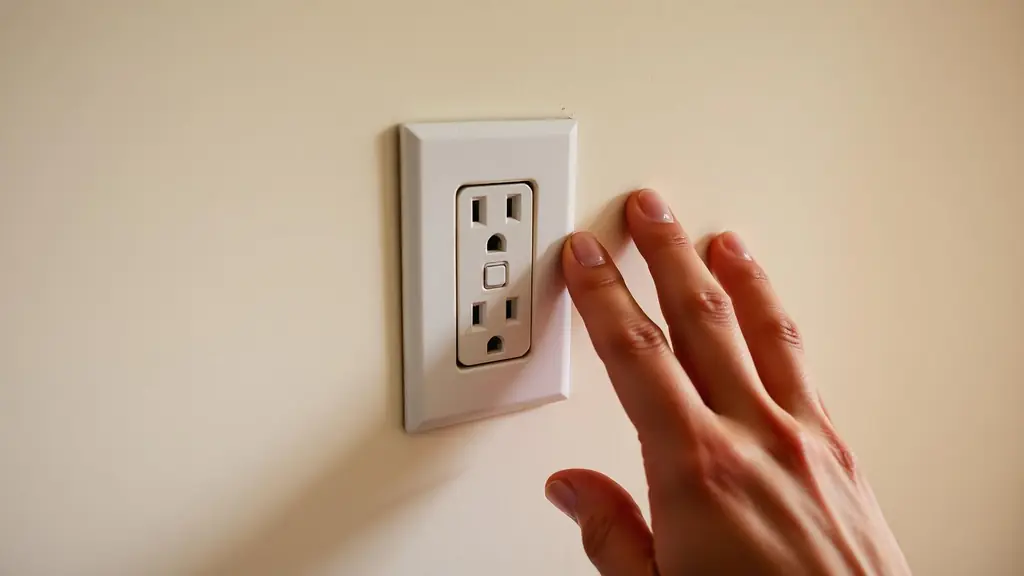
⚠️ What to do first if an electrical outlet feels warm
A warm, hot, or discolored outlet indicates arcing or excessive resistance that can ignite surrounding materials. Stop using it immediately and do not touch the faceplate. Call a licensed electrician today.
Quick answer: warm electrical outlets
Warm outlets are almost always caused by a loose wire connection or an overloaded circuit generating resistive heat. The CPSC links loose electrical connections to thousands of home fires annually. Unplug everything from the outlet and call an electrician the same day.
Urgent — act now
A warm or hot outlet is an active fire risk. Unplug everything from it immediately and call a licensed electrician.
Outlets should feel room-temperature to the touch, always. Any warmth means electrical resistance is generating heat somewhere in the connection — at the outlet's screw terminals, at the wire nuts feeding it, or inside a worn appliance plug.
The National Fire Protection Association attributes tens of thousands of residential fires each year to electrical distribution equipment, and loose connections are among the leading causes cited by fire investigators. This is not a wait-and-see symptom.
Warning signs of warm electrical outlets
- Outlet or cover plate is warm or hot to the touch
- Discoloration, browning, or melting on the outlet or plug
- Buzzing or crackling sound from the outlet
- Burning plastic smell near the outlet
- Lights flicker when a device is plugged into that outlet
Most likely causes of warm electrical outlets, ranked
1. Loose wire connection at the outlet terminals
Most common cause of a hot outlet
Outlets connect to house wiring either via screw terminals or spring-loaded 'backstab' holes. Backstab connections, common in homes wired before the mid-2000s, loosen over time and create a small air gap that arcs under load, generating heat that can exceed 300°F at the contact point. This heat degrades the surrounding plastic and insulation, compounding the problem.
10-minute self-test: Unplug everything from the outlet and feel the faceplate after 10 minutes with nothing connected. If it's still warm with no load, the fault is inside the wiring, not the plugged-in device.
This cause is not a DIY repair — it needs a licensed electrician.
2. Overloaded outlet from high-wattage devices
Very common — especially with space heaters and appliances
A standard 15A outlet is rated for 1,800 watts total but should not run continuous loads above 1,440 watts under NEC 210.20. Space heaters (1,500W), toasters (1,200W), and window AC units pushed through worn power strips generate heat at the plug prongs themselves as resistance increases with age and repeated insertion cycles.
10-minute self-test: Check the wattage rating on any device plugged in when the outlet feels warm. Unplug it and monitor whether the outlet cools within 15 minutes.
If that test is negative: If the outlet is warm with nothing plugged in and never had a heavy load, suspect internal wiring rather than overload.
3. A worn or damaged plug and outlet contact
Common with older outlets and frequently unplugged devices
Outlet contacts are spring metal that loosens their grip after thousands of insertion cycles. A loose-fitting plug creates a small air gap where current arcs across instead of flowing through solid contact, generating localized heat right at the plug face — this is why the plug itself, not just the outlet, often feels hot.
10-minute self-test: Insert a plug and gently wiggle it. If it moves freely or falls out under its own weight, the outlet's contacts are worn and need replacement.
This cause is not a DIY repair — it needs a licensed electrician.
4. Aluminum branch wiring
Less common — specific to homes wired 1965–1973
Aluminum wire expands and contracts more than copper with heat cycling, gradually loosening connections at outlets and switches. The Consumer Product Safety Commission found homes with aluminum wiring are 55 times more likely to have a connection reach fire-hazard conditions than copper-wired homes unless every termination uses CO/ALR-rated devices or copper pigtails.
10-minute self-test: Check the panel and any accessible outlet wiring for a dull silver wire — copper is reddish. This is a strong indicator, but confirmation requires an electrician.
This cause is not a DIY repair — it needs a licensed electrician.
Your 10-minute check list for warm electrical outlets
- Unplug the device and feel whether the outlet itself is warm without any load
- Check for a burning smell or visible discoloration on the faceplate
- Note whether the same outlet has tripped a breaker or GFCI recently
- Check the age of the home — pre-1973 homes may have aluminum wiring
What it costs to fix warm electrical outlets
| Cause / repair | DIY cost | Professional cost |
|---|---|---|
| Electrician diagnostic visit | $0 | $100–$250 |
| Single outlet replacement | $15–$40 parts (not recommended) | $120–$220 |
| Rewiring loose backstab connections, per outlet | not recommended | $100–$180 |
| Aluminum wiring pigtail repair, per connection | not realistic | $150–$300 |
| Whole-house aluminum wiring remediation | n/a | $8,000–$15,000 |
See the full cost breakdown for this repair →
DIY fixes for warm electrical outlets
Unplug everything from the outlet now
This is the only safe homeowner action. Do not attempt to open the outlet, tighten screws, or troubleshoot further — heat at an outlet means active arcing.
Stop using extension cords or power strips on that circuit
These add resistance and heat at every additional connection point until an electrician clears the underlying fault.
Mistakes to avoid with warm electrical outlets
- Never continue using a warm or hot outlet, even briefly
- Do not remove the cover plate or touch internal wiring yourself
- Do not mask a burning smell with air freshener instead of investigating
Where homeowners waste money on warm electrical outlets
- Buying a new appliance to replace one that was plugged into a hot outlet before the wiring is diagnosed
- Outlet covers or surge protectors marketed as fixes for heat — they do not address the underlying loose connection
When to call a licensed electrician about warm electrical outlets
An electrician will use an infrared thermal camera to find hot connections behind the wall before they become visible damage.
For aluminum-wired homes, most electricians recommend copper pigtailing every outlet and switch rather than a full rewire, which is far less disruptive and meets code.
What a licensed electrician actually does on this job →
How to prevent warm electrical outlets coming back
- Have an electrician replace backstab-wired outlets with screw-terminal connections during any renovation
- Avoid running space heaters, hair dryers or window units on shared or older outlets
- Have aluminum-wired homes inspected and remediated with CO/ALR devices or copper pigtails
Why Is My House Having Warm Electrical Outlets — questions homeowners ask
How hot is too hot for an outlet?
Any perceptible warmth above room temperature is abnormal. Outlets are designed to run cool; any heat you can feel through the faceplate indicates a fault that needs immediate attention.
Can I just replace the outlet myself?
Replacing the outlet without inspecting the wire connections behind it does not fix a loose or damaged wire, which is the most common cause of heat. A licensed electrician needs to inspect the actual connection.
Is a warm outlet ever normal?
No. Even outlets running a continuous heavy load like a space heater should not feel warm to the touch if wired and rated correctly; slight warmth on the device itself is different from warmth on the wall outlet.
Should I turn off the breaker to that outlet while I wait for an electrician?
Yes, if you can safely identify and label the correct breaker, switching it off removes power to the fault until a professional can inspect it.
Problems related to warm electrical outlets
- Why Is My House Getting a Burning Electrical Smell?Often shows up alongside this problem. A burning electrical smell is caused by overheating insulation, an overloaded circuit, or an arcing connection reaching temperatures high enough to scorch plastic.Electrical, Lighting & Power Urgent — act now
- Why Is My House Having a Breaker That Keeps Tripping?Often shows up alongside this problem. Your breaker keeps tripping because the circuit is drawing more current than its rating, or a short/ground fault is pulling current outside the wire.Electrical, Lighting & Power Get it inspected
- Why Is My House Having Half the Power Out?Often shows up alongside this problem. Half your power going out usually means you've lost one of the two 120V legs coming from the utility transformer, while the other leg still feeds some circuits.Electrical, Lighting & Power Urgent — act now
- Why Is My House AC Not Turning On?An AC that won't turn on at all is most often a thermostat issue, a tripped breaker, or a safety switch — the HVAC disconnect, a float switch from a full condensate pan, or a limit switch from a dirty filter.Heating, Cooling & Air Urgent — act now
- Why Is My House Having Flickering Lights?Most flickering is an LED bulb fighting an incompatible dimmer or a loose bulb — annoying, not dangerous.Electrical, Lighting & Power Urgent — act now
Sources used for warm electrical outlets
- Consumer Product Safety Commission — Aluminum Wiring Repair Guidelines
- NFPA — Home Electrical Fires Report
- NEC 210.20 — Overcurrent Protection