
Why Is My House AC Not Turning On?
Reviewed 2026-08-01 · How we research
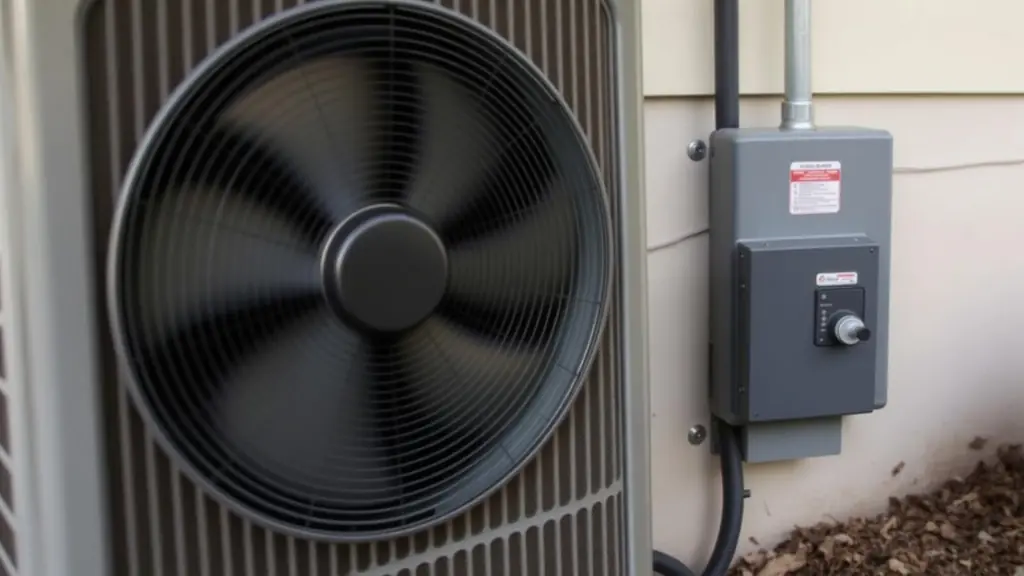
Quick answer: AC not turning on
An AC that won't turn on at all is most often a thermostat issue, a tripped breaker, or a safety switch — the HVAC disconnect, a float switch from a full condensate pan, or a limit switch from a dirty filter. Check those safe items first before calling for service.
Urgent — act now
Get service the same day, especially in hot weather. A system that won't start at all can indicate a tripped safety switch protecting against a bigger failure, and the house has zero cooling until it's resolved.
This is different from an AC that runs but doesn't cool — here, nothing happens at all when you call for cooling. No hum, no fan, no compressor. That total silence actually narrows the list of causes: something in the power or control path is interrupted, either at the thermostat, the electrical supply, or a safety switch that's doing its job and stopping the system before something worse happens.
Work through the checks below in order. All of them are safe for a homeowner to do — none require opening electrical panels, touching wiring, or working inside the outdoor unit. If none of these restore power, the issue is inside the equipment and needs a licensed technician.
Warning signs of AC not turning on
- Thermostat display is blank or unresponsive
- No sound at all from the indoor or outdoor unit when cooling is called for
- Thermostat shows a call for cooling but nothing happens at the equipment
- Recent storm, power flicker, or breaker panel work before the AC stopped responding
Most likely causes of AC not turning on, ranked
1. Thermostat issue: dead batteries, power loss, or wrong settings
Most common — the fastest check
A thermostat with dead batteries, one that's lost power from a tripped low-voltage fuse, or one simply left in heat mode or with the setpoint above room temperature won't call for cooling at all, and from the homeowner's side it looks identical to the whole system being dead.
10-minute self-test: Check that the thermostat display is on. If blank, replace batteries or check its power source. Confirm it's set to COOL with a setpoint below current room temperature.
2. Tripped circuit breaker
Very common
The outdoor condenser and indoor air handler are typically on dedicated breakers. A trip, from a power surge, a starting overload, or a developing fault, cuts power to the whole system with no warning at the thermostat.
10-minute self-test: Check the breaker panel for the AC's labeled circuits. A breaker sitting in the middle position (neither fully on nor off) has tripped; switch it fully off, then on. If it trips again immediately, stop and call a technician.
3. HVAC disconnect switch or furnace/air-handler power switch left off
Common, especially after recent service or maintenance
Outdoor units have a pull-out or lever disconnect near the condenser, and indoor air handlers or furnaces typically have a wall switch that looks like a light switch nearby. Either one left in the off position, sometimes after a technician's visit, pest control work, or general home maintenance, will stop the whole system.
10-minute self-test: Check the disconnect box near the outdoor unit and the switch near the indoor furnace or air handler (often on the wall near the unit or at the top of the basement stairs) to confirm both are in the ON position.
4. Clogged filter tripping a safety limit
Common
A severely clogged filter can restrict airflow enough that the system's safety controls prevent it from running to avoid damage, effectively shutting the whole system down rather than just reducing performance.
10-minute self-test: Pull the filter and check it against a light source. Replace it if it's visibly clogged, then attempt to restart the system.
5. Full condensate pan tripping the float safety switch
Common
Many systems include a float switch that shuts the entire unit down if the condensate drain pan fills with water, protecting against overflow damage. A clogged drain line is the usual reason the pan fills in the first place.
10-minute self-test: Locate the condensate drain pan near the indoor unit and check for standing water. If it's full, the float switch is very likely the reason the system won't start.
6. Failed capacitor
Common in systems more than a few years old
The start/run capacitor provides the electrical push needed to start the compressor and outdoor fan motor. When it fails, the outdoor unit typically won't start at all, sometimes accompanied by a faint humming sound from the condenser. Capacitors store an electrical charge and must only be tested and replaced by a licensed technician.
10-minute self-test: Listen at the outdoor unit when cooling is called for. A soft hum with no fan movement and no cooling suggests a capacitor or motor start problem — do not open the unit yourself.
This cause is not a DIY repair — it needs a hvac technician.
7. Failed contactor
Occasional
The contactor is an electrically controlled switch that sends power to the outdoor unit's compressor and fan. If its contacts fail or corrode, the thermostat can call for cooling with no response at the equipment at all.
10-minute self-test: This isn't something to visually diagnose safely from outside the panel; if the thermostat calls for cooling and the outdoor unit shows zero response (no hum, no click), a contactor issue is a reasonable suspicion for the technician to check.
This cause is not a DIY repair — it needs a hvac technician.
8. Failed blower motor in the indoor unit
Less common
If the indoor blower has failed, the system may not run at all, or the outdoor unit may attempt to start with no indoor airflow, which most systems are designed to prevent through a safety interlock.
10-minute self-test: Listen for the indoor unit (furnace or air handler) when the thermostat calls for cooling. Total silence from the indoor unit points toward this cause.
This cause is not a DIY repair — it needs a hvac technician.
9. Loss of power to the outdoor condenser
Less common
A tripped GFCI-protected outlet, a damaged underground or overhead feed to the outdoor unit, or storm damage can cut power specifically to the condenser while the indoor unit still has power, leading to airflow with no actual cooling or a completely silent outdoor unit.
10-minute self-test: Check whether the indoor blower runs at all when cooling is called for. If the indoor unit responds but the outdoor unit is completely silent, suspect a power issue at the condenser specifically.
This cause is not a DIY repair — it needs a hvac technician.
10. Refrigerant-related safety lockout
Less common
Some systems will lock out compressor operation if they detect an unsafe refrigerant pressure condition, protecting the compressor from damage. This requires a technician to diagnose the underlying refrigerant issue and reset the system safely.
10-minute self-test: Not homeowner-diagnosable; if all the checks above are ruled out and the system still won't start, this and other internal faults are reasons to call a technician rather than keep testing components.
This cause is not a DIY repair — it needs a hvac technician.
11. Failed compressor, control board, or damaged wiring
Less common but possible, especially in older systems
A seized compressor, a failed control board, or wiring damaged by rodents or corrosion can all prevent the system from starting. These require professional diagnosis and often significant repair or replacement decisions.
10-minute self-test: Not a homeowner check. If the safe checks above (thermostat, breaker, disconnect, filter, condensate pan) are all confirmed normal and the system still won't start, it's time to call a technician rather than opening any panels.
This cause is not a DIY repair — it needs a hvac technician.
Your 10-minute check list for AC not turning on
- Confirm the thermostat display is on and set correctly (COOL mode, setpoint below room temperature)
- Check the breaker panel for a tripped AC circuit
- Confirm the outdoor disconnect switch and indoor furnace/air-handler switch are both ON
- Check and replace the filter if clogged
- Check the condensate drain pan for standing water
- Listen for any sound at all — hum, click, fan — from the outdoor unit when cooling is called for
What it costs to fix AC not turning on
| Cause / repair | DIY cost | Professional cost |
|---|---|---|
| Thermostat batteries | $5–$10 | n/a |
| Breaker reset (no underlying fault) | $0 | n/a |
| Filter replacement | $8–$25 | n/a |
| Condensate drain clearing | $10–$20 | $100–$300 |
| Capacitor replacement | not safe/possible | $150–$400 |
| Contactor replacement | not safe/possible | $150–$350 |
| Blower motor replacement | not safe/possible | $400–$1,200 |
| Control board replacement | not safe/possible | $300–$800 |
| Compressor replacement | not safe/possible | $1,800–$3,000 |
See the full cost breakdown for this repair →
DIY fixes for AC not turning on
Replace thermostat batteries and confirm settings
A blank or unresponsive thermostat display is often just dead batteries. Replace them and confirm the system is set to COOL with an appropriate setpoint.
Reset a tripped breaker once
Switch the breaker fully off, wait a few seconds, then back on. If it holds, the system was likely dealing with a temporary overload. If it trips again immediately, stop and call an electrician or HVAC technician rather than resetting it repeatedly.
Confirm both power switches are on
Check the outdoor disconnect box and the indoor furnace/air-handler switch. Both need to be in the ON position for the system to run — either one being off after recent service or cleaning is a common, easy fix.
Replace the filter and clear the condensate pan
A clogged filter or full condensate pan can trip a safety switch that shuts the whole system down. Replacing the filter and clearing standing water from the drain pan (a wet/dry vac works well at the outdoor drain termination) resolves both.
Mistakes to avoid with AC not turning on
- Repeatedly resetting a breaker that trips again immediately — that indicates a real electrical fault, not a nuisance trip
- Opening the outdoor unit's access panel or the electrical disconnect box to inspect capacitors, contactors or wiring yourself — these carry high voltage or stored electrical charge
- Continuing to flip the system on and off at the thermostat hoping it will eventually start once a safety lockout is suspected
Where homeowners waste money on AC not turning on
- Replacing the thermostat before confirming batteries, breaker, and disconnect switches, since those three account for a large share of 'totally dead' AC calls
- Paying for an emergency same-night call when the fix turns out to be a switch or breaker you could safely check yourself first
When to call a hvac technician about AC not turning on
If a breaker trips a second time immediately after reset, tell the technician that specifically — it points toward an electrical short rather than a simple overload and changes how they'll diagnose it.
Ask whether the system has a diagnostic light or fault code display on the control board; many modern systems flash a code that speeds up the technician's diagnosis significantly.
What a hvac technician actually does on this job →
How to prevent AC not turning on coming back
- Test thermostat batteries at the start of each cooling season
- Keep filters on a regular replacement schedule to avoid safety-limit shutdowns
- Have condensate lines flushed annually to prevent float-switch shutdowns
- Confirm HVAC switches are left on after any maintenance, cleaning, or pest control work near the equipment
Why Is My House AC Not Turning On — questions homeowners ask
My thermostat is blank and my AC won't turn on — where do I start?
Replace the thermostat batteries first. If the display stays blank, check the breaker panel and the low-voltage fuse on the furnace or air handler's control board, which a technician can quickly test.
Is it safe to reset a tripped AC breaker myself?
Yes, once. Turn it fully off, then back on. If it trips again immediately, that indicates an electrical fault and you should stop resetting it and call a professional.
What is the HVAC disconnect switch and why would it be off?
It's a safety disconnect near the outdoor condenser, and sometimes also a switch near the indoor unit, used to cut power during service. It's occasionally left off after maintenance, cleaning, or pest work and simply needs to be switched back on.
Can a full condensate pan really stop the AC from turning on at all?
Yes, on systems equipped with a float safety switch. It's designed to prevent water damage by shutting the whole system down until the drain is cleared and the pan empties.
Why does the outdoor unit hum but never start?
A faint hum with no fan movement usually points to a failing capacitor or motor start problem. This requires a licensed technician, since capacitors store an electrical charge even with the power off.
How urgent is it if my AC won't turn on at all during hot weather?
Treat it as urgent, especially with elderly, very young, or medically vulnerable occupants in the home. Same-day service is appropriate since the house has no active cooling until it's resolved.
Problems related to AC not turning on
- Why Is My House AC Not Blowing Cold Air?Same part of the house — Air blowing but not cold usually means the fan is set to ON instead of AUTO, the filter or coil is blocked and frozen, the outdoor condenser can't reject heat, or refrigerant has leaked out.Heating, Cooling & Air Urgent — act now
- Why Is My House Not Cooling Down With AC?Same part of the house — If your AC is running and the supply air even feels cold, but the house temperature won't fall, the most likely causes are restricted airflow, a dirty condenser, a partially frozen coil, or a system that's undersized or losing cooled air through leaky ducts before it reaches the rooms.Heating, Cooling & Air Urgent — act now
- Why Is My House Getting an AC That Runs Constantly?Same part of the house — An AC that runs constantly without reaching the thermostat setpoint is usually low on refrigerant, has a dirty condenser or evaporator coil restricting heat exchange, or is undersized for the house.Heating, Cooling & Air Get it inspected
- Why Is My House Getting High Energy Bills?High energy bills usually come from HVAC-related losses: duct leakage, an aging or oversized system, poor attic insulation, and air leaks around windows and doors.Heating, Cooling & Air Low urgency — monitor
- Why Is My House Getting Sweating Air Ducts?The same hvac technician handles this one. Air ducts sweat when cold air inside the duct chills the metal or duct board surface below the surrounding air's dew point, and insufficient or damaged duct insulation is the most common reason that surface stays cold enough to condense.Moisture, Water & Mold Get it inspected
Sources used for AC not turning on
- ENERGY STAR — Heating and Cooling Guide
- U.S. Department of Energy — Cooling Systems
- U.S. Consumer Product Safety Commission — Electrical Safety
- Carrier — technical resources
- Trane — technical resources