
Why Is My House AC Not Blowing Cold Air?
Reviewed 2026-08-01 · How we research
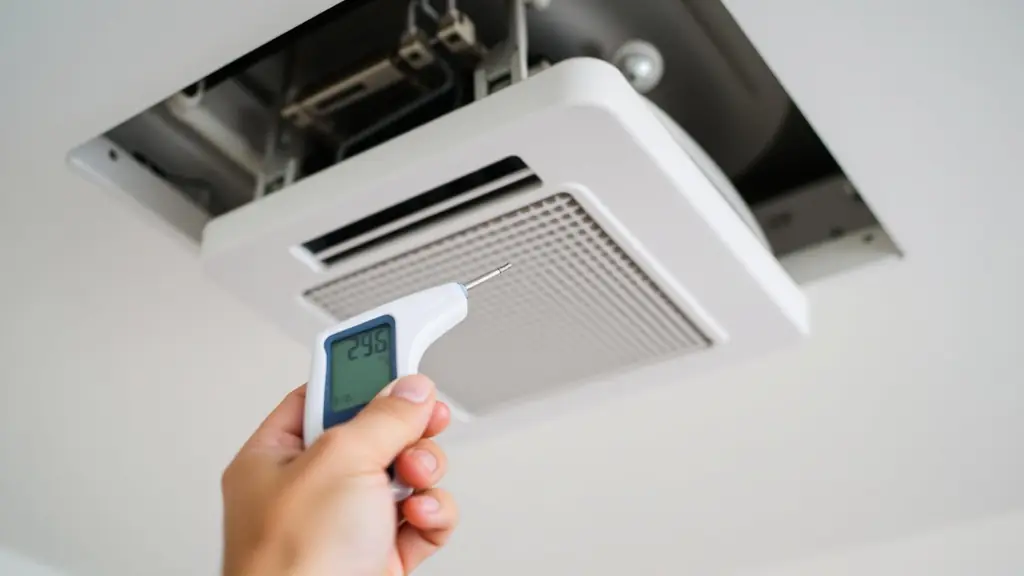
Quick answer: AC not blowing cold air
Air blowing but not cold usually means the fan is set to ON instead of AUTO, the filter or coil is blocked and frozen, the outdoor condenser can't reject heat, or refrigerant has leaked out. Check the thermostat fan mode and filter first, then call for service.
Urgent — act now
Get same-day service. Air moving but not cold usually points to a frozen coil, low refrigerant, or a failing outdoor unit — running the system in this condition can cause further damage and leaves the house without cooling in the heat.
This is a distinct problem from a house that stays warm despite a cold-feeling AC, or one that won't turn on at all: here, air is clearly moving out of the registers, but it isn't cold. That narrows things down considerably — the blower is working, so the issue lies with the fan mode setting, restricted airflow freezing the coil, or the refrigerant side of the system that actually removes heat from the air.
Work through the quick thermostat and filter checks first, since they take five minutes and fix a real share of these calls. If those check out and the air is still warm or just barely cool, the system likely needs a technician before you run it any longer.
Warning signs of AC not blowing cold air
- Registers blow air but it's room temperature or only slightly cool
- Ice visible on the indoor coil, refrigerant lines, or outdoor unit
- Outdoor condenser fan isn't spinning, or the unit is silent while the indoor blower runs
- Airflow has gradually weakened over hours or days before turning warm
- Water pooling near the indoor unit or a musty smell from the vents
Most likely causes of AC not blowing cold air, ranked
1. Thermostat set incorrectly
Most common — worth ruling out first
If the thermostat is set to 'heat' instead of 'cool,' or the setpoint is above the current room temperature, the system won't call for cooling even though the fan may still run and move room-temperature air.
10-minute self-test: Confirm the thermostat is in cooling mode and the setpoint is at least several degrees below the current room temperature.
2. Fan set to ON instead of AUTO
Very common
With the fan switch set to ON, the blower runs continuously even when the compressor isn't cooling, pushing plain room-temperature air through the vents between cooling cycles and making it seem like the AC 'isn't cold.'
10-minute self-test: Switch the thermostat fan setting from ON to AUTO and wait for a full cooling cycle. If air becomes cold once the compressor kicks on, this was the cause.
3. Dirty air filter restricting airflow
Very common
A clogged filter starves the system of airflow across the indoor coil. With too little air moving across it, the coil can drop below freezing and ice over, which cuts cooling output and can eventually block airflow almost entirely.
10-minute self-test: Pull the filter and hold it to a light source. If light doesn't pass through easily, it's overdue for replacement.
4. Frozen evaporator coil
Very common consequence of the two causes above
Once the indoor coil ices over, from restricted airflow, low refrigerant, or a failing blower, no meaningful heat exchange happens and the air leaving the vents turns warm or stops entirely. Continuing to run the system in cooling mode keeps building ice rather than clearing it.
10-minute self-test: Check the indoor coil (often visible through an access panel) or the refrigerant lines at the outdoor unit for visible frost or ice.
If that test is negative: If there's no ice anywhere and airflow feels strong, coil freezing isn't the cause.
5. Blocked or dirty outdoor condenser coil
Common, especially with overgrown landscaping or after storms
The outdoor unit needs to reject the heat pulled from inside the house. If its coil is caked with dirt, grass clippings, or leaves, or airflow around it is blocked by plants or debris, the system loses cooling capacity and may eventually trip a safety switch or freeze the indoor coil.
10-minute self-test: Visually inspect the outdoor unit's fins for visible dirt buildup and confirm at least 2 feet of clearance from plants, fences, or debris on all sides.
6. Clogged condensate drain triggering a safety shutoff
Common
Many systems have a float switch that shuts off cooling if the condensate drain line clogs and the drain pan fills, to prevent water damage. This can stop cold-air production even though the blower keeps running.
10-minute self-test: Check for standing water in the drain pan near the indoor unit, or water stains suggesting a past overflow.
7. Refrigerant leak
Less common but a frequent cause of persistent warm air
Refrigerant doesn't get 'used up' in normal operation — a low charge means there's a leak somewhere in the sealed system. Low refrigerant reduces the system's capacity to absorb heat and often causes the coil to freeze. This always requires a licensed technician to locate, repair and recharge.
10-minute self-test: Ice on the refrigerant lines or indoor coil alongside weak cooling is a strong indicator, but confirming and repairing a leak requires professional equipment.
This cause is not a DIY repair — it needs a hvac technician.
8. Failed outdoor fan motor
Occasional
If the outdoor fan isn't spinning, the condenser can't reject heat even if the compressor is running, quickly causing the whole system to lose cooling capacity and often triggering an overheating shutdown.
10-minute self-test: Listen and look at the outdoor unit while the system calls for cooling. A compressor humming with no fan movement points to a fan motor failure and needs a technician promptly.
This cause is not a DIY repair — it needs a hvac technician.
9. Failing capacitor, contactor, or compressor
Less common but serious
Electrical components that start and run the compressor can weaken or fail, leaving the system unable to run the cooling cycle at all, or running it so poorly that no meaningful cold air is produced. These components carry high voltage and should never be tested or replaced by a homeowner.
10-minute self-test: A humming or clicking outdoor unit that never fully starts, or one that shuts off quickly after starting, points toward electrical component failure that needs a licensed technician.
This cause is not a DIY repair — it needs a hvac technician.
10. Duct leakage losing cooled air in transit
Less common as the sole cause but worth checking
If cooling actually is happening at the equipment but the air at the register still feels lukewarm, leaky ducts running through a hot attic can be warming the air, or losing it, before it reaches the room.
10-minute self-test: Check air temperature directly at the indoor unit's supply plenum if accessible, or compare a close register to a distant one — a big difference points to duct losses rather than equipment failure.
Your 10-minute check list for AC not blowing cold air
- Confirm thermostat mode is COOL and setpoint is below room temperature
- Switch fan setting from ON to AUTO
- Check and replace the filter if dirty
- Look for visible ice on the indoor coil or outdoor refrigerant lines
- Check the outdoor unit for debris, overgrowth, or a stalled fan
- Check for standing water in the condensate drain pan
What it costs to fix AC not blowing cold air
| Cause / repair | DIY cost | Professional cost |
|---|---|---|
| Filter replacement | $8–$25 | n/a |
| Thawing a frozen coil (fan-only, no parts) | $0 | n/a |
| Condensate drain clearing | $10–$20 (wet/dry vac) | $100–$300 |
| Outdoor coil cleaning | $0–$20 (hose and coil cleaner) | $100–$250 |
| Capacitor replacement | not safe/possible | $150–$400 |
| Refrigerant leak repair and recharge | not safe/possible | $400–$2,500 |
| Outdoor fan motor replacement | not safe/possible | $300–$700 |
| Compressor replacement | not safe/possible | $1,800–$3,000 |
See the full cost breakdown for this repair →
DIY fixes for AC not blowing cold air
Switch the fan from ON to AUTO
This alone resolves a surprising share of 'not cold' complaints and costs nothing. Give it one full cooling cycle to confirm.
Replace a dirty filter
A fresh filter restores airflow across the coil, which both improves cooling and helps prevent the coil from icing over in the first place.
Thaw a frozen coil the safe way
If you see ice on the coil or lines, turn the thermostat to OFF (not just fan) and set the fan to ON so it blows room-temperature air across the coil to melt the ice — this can take several hours. Do not run the compressor while ice is present, and do not chip at the ice, which can damage the coil. Once fully thawed and dry, replace the filter and try a normal cooling cycle; if it re-freezes, call a technician.
Clear debris around the outdoor unit
Trim back plants and remove leaves or grass clippings so the condenser has at least 2 feet of clearance on all sides to reject heat properly.
Clear a clogged condensate line with a wet/dry vac
At the outdoor termination of the condensate line, a wet/dry vac can often pull out a soft clog. If the drain pan was full and the system shut down on its safety switch, this can restore cooling without a service call.
Mistakes to avoid with AC not blowing cold air
- Running the system continuously once you notice ice on the coil or lines — this worsens the freeze and can damage the compressor
- Chipping or scraping ice off the coil, which can puncture the delicate coil fins
- Opening the outdoor unit's electrical panel or touching capacitors, wiring or refrigerant lines yourself — these carry high voltage or stored electrical charge and require professional service
Where homeowners waste money on AC not blowing cold air
- Adding refrigerant without a leak search and repair — it will leak back out and you'll pay for the same service call again within a season
- Running the AC on fan-ON mode all summer trying to 'help' airflow — it just adds humidity back into the house between cooling cycles
When to call a hvac technician about AC not blowing cold air
If the coil has frozen more than once in a season, ask the technician to check both airflow (filter, duct sizing, blower speed) and refrigerant charge — freezing is a symptom with several possible root causes.
Get a quote for repair versus replacement if the system is over 10–12 years old and needs a compressor or major refrigerant repair, since those repairs can approach a meaningful fraction of replacement cost.
What a hvac technician actually does on this job →
How to prevent AC not blowing cold air coming back
- Replace filters every 60–90 days, monthly with pets or during renovation dust
- Keep the outdoor condenser clear of plants, leaves and debris year-round
- Have condensate lines flushed and the system tuned annually before cooling season
Why Is My House AC Not Blowing Cold Air — questions homeowners ask
Why is my AC blowing air but it's not cold?
The most common causes are the fan set to ON instead of AUTO, a dirty filter restricting airflow, or a frozen evaporator coil. Less commonly, low refrigerant or a failing outdoor unit component is responsible.
How do I safely thaw a frozen AC coil?
Turn the thermostat to OFF and set the fan to ON so room-temperature air blows across the coil until the ice fully melts, which can take several hours. Don't run cooling mode or chip at the ice during this time.
Is it safe to keep running the AC if it's not blowing cold?
No. Continuing to run a system with a frozen coil, a struggling compressor, or a blocked condenser can cause additional damage and won't cool the house anyway. Turn off cooling mode and schedule service.
Can a dirty outdoor unit really stop the AC from cooling?
Yes. The outdoor coil has to release the heat removed from inside the house. A dirt-caked coil or blocked airflow around the unit sharply reduces its ability to do that, cutting cooling capacity.
Why does the air get cold for a while and then turn warm?
This pattern often points to a coil that starts clean but ices over as the cycle continues, cutting off airflow and cooling partway through — usually from restricted airflow or low refrigerant.
Should I add refrigerant myself if I think that's the problem?
No. Refrigerant is a sealed, regulated system that requires certification to service. Low refrigerant means there's a leak, and adding more without fixing the leak just delays the same problem.
Does a full condensate pan really stop the AC from cooling?
Yes, on systems with a float safety switch. It's a designed shutoff to prevent water damage, and it will stop the cooling cycle until the drain is cleared and the pan empties.
Problems related to AC not blowing cold air
- Why Is My House Not Cooling Down With AC?Same part of the house — If your AC is running and the supply air even feels cold, but the house temperature won't fall, the most likely causes are restricted airflow, a dirty condenser, a partially frozen coil, or a system that's undersized or losing cooled air through leaky ducts before it reaches the rooms.Heating, Cooling & Air Urgent — act now
- Why Is My House AC Not Turning On?Same part of the house — An AC that won't turn on at all is most often a thermostat issue, a tripped breaker, or a safety switch — the HVAC disconnect, a float switch from a full condensate pan, or a limit switch from a dirty filter.Heating, Cooling & Air Urgent — act now
- Why Is My House Getting a Furnace That Blows Cold Air?The same hvac technician handles this one. A furnace blowing cold air is most often the thermostat fan set to ON instead of AUTO, which circulates air between heating cycles.Heating, Cooling & Air Get it inspected
- Why Is My House Getting an AC That Runs Constantly?Same part of the house — An AC that runs constantly without reaching the thermostat setpoint is usually low on refrigerant, has a dirty condenser or evaporator coil restricting heat exchange, or is undersized for the house.Heating, Cooling & Air Get it inspected
- Why Is My House Getting Sweating Air Ducts?The same hvac technician handles this one. Air ducts sweat when cold air inside the duct chills the metal or duct board surface below the surrounding air's dew point, and insufficient or damaged duct insulation is the most common reason that surface stays cold enough to condense.Moisture, Water & Mold Get it inspected
Sources used for AC not blowing cold air
- ENERGY STAR — Heating and Cooling Guide
- U.S. Department of Energy — Cooling Systems
- U.S. EPA — Refrigerant Management Regulations
- Carrier — technical resources
- Trane — technical resources