
Why Is My House Getting a Furnace That Blows Cold Air?
Reviewed 2026-07-30 · How we research
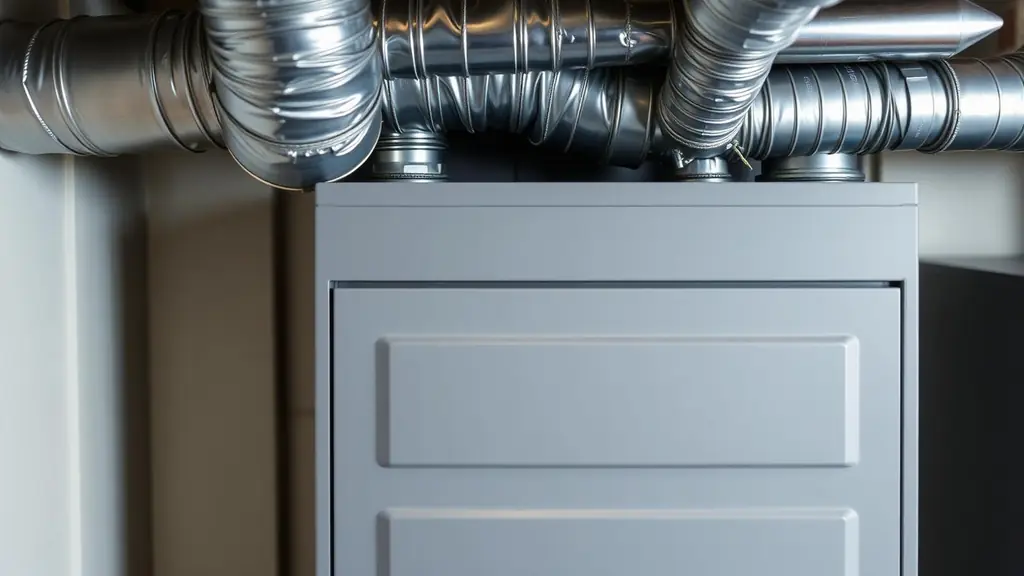
Quick answer: furnace that blows cold air
A furnace blowing cold air is most often the thermostat fan set to ON instead of AUTO, which circulates air between heating cycles. Other causes include a failed ignition system, a dirty filter restricting airflow, or an overheating limit switch shutting off the burners while the blower keeps running.
Get it inspected
Cold air from vents is often a simple fix, but a furnace that shuts off mid-cycle or smells of gas needs immediate attention. Diagnose within a few days; treat any gas odor as an emergency.
Cold air from a furnace vent doesn't always mean the furnace is broken — the single most common cause is a thermostat fan setting that keeps the blower running continuously, circulating room-temperature or cool air between actual heating cycles.
When it is a genuine malfunction, the furnace typically starts warm and then goes cold mid-cycle, which points toward the ignition system or a safety switch shutting down the burners while the blower motor keeps running independently — this is the furnace protecting itself, not failing randomly.
Warning signs of furnace that blows cold air
- Vents blow cold or room-temperature air with the thermostat set to heat
- Furnace starts warm, then air turns cold partway through a cycle
- Furnace short-cycles — turns on and off repeatedly without a full heating run
- A gas or rotten-egg smell accompanies the cold air
- Pilot light or ignitor visibly fails to stay lit
Most likely causes of furnace that blows cold air, ranked
1. Thermostat fan set to ON instead of AUTO
Most common — the first thing to check
With the fan set to ON, the blower runs continuously even when the burners aren't firing, pushing whatever temperature air is in the ducts — including cool air between heating cycles — through the vents constantly. Setting the fan to AUTO ensures the blower only runs while the burners are actively producing heat.
10-minute self-test: Check the thermostat's fan setting. If it reads ON, switch it to AUTO and see if the cold-air sensation resolves within one heating cycle.
If that test is negative: If the fan is already set to AUTO and cold air still occurs, the cause is mechanical, not a setting.
2. A failed ignitor, pilot light, or flame sensor
Very common in furnaces over 10 years old
Modern furnaces use a hot surface ignitor or intermittent pilot to light the burners; if it fails or a dirty flame sensor can't confirm ignition, the furnace's safety controls shut off gas flow but the blower may continue running on its normal fan-off delay, pushing unheated air through the vents before shutting down entirely.
10-minute self-test: Listen for the furnace attempting to ignite (a click or hum) followed by silence rather than a sustained burner sound — this points to ignition failure rather than a fan setting issue.
This cause is not a DIY repair — it needs a hvac technician.
3. An overheated limit switch shutting off the burners
Common — often triggered by restricted airflow
The high-limit switch is a safety device that shuts off gas to the burners if the heat exchanger gets too hot, which happens when airflow across it is restricted — usually by a dirty filter or blocked vents. The blower keeps running per its safety cycle even though the burners have shut down, delivering cold air until the system resets.
10-minute self-test: Check the air filter's condition; a severely clogged filter restricting airflow is the most common trigger for repeated limit-switch shutoffs.
4. A gas supply or gas valve problem
Less common but serious
If gas pressure is inadequate or the gas valve fails to open fully, the furnace may attempt ignition, fail, and lock out on safety after a few tries — a symptom identical to ignitor failure from the vent, but requiring different repair. This should always be assessed by a licensed technician given the gas safety implications.
10-minute self-test: Check whether other gas appliances (stove, water heater) are also underperforming, which would suggest a supply-side issue rather than a furnace-specific fault.
This cause is not a DIY repair — it needs a hvac technician.
5. The heat pump's auxiliary/emergency heat needed but not engaged
Applies only to heat pump systems, not gas furnaces
Heat pumps deliver noticeably cooler supply air than a gas furnace by design — typically 90-105°F versus 120-140°F — and in very cold weather rely on auxiliary electric resistance heat to supplement. If the aux heat isn't engaging when needed, the system delivers air that feels cold by comparison even though it's technically still heating.
10-minute self-test: If you have a heat pump, check the thermostat display for an 'AUX' or 'EM HEAT' indicator during very cold weather and confirm it's engaging when outdoor temps drop below the low 30s°F.
This cause is not a DIY repair — it needs a hvac technician.
Your 10-minute check list for furnace that blows cold air
- Check that the thermostat fan is set to AUTO, not ON
- Replace the air filter if it's dirty or hasn't been changed in 60-90 days
- Listen for ignition attempts (clicking or humming) followed by silence
- Check for any gas odor near the furnace — treat as an emergency if present
What it costs to fix furnace that blows cold air
| Cause / repair | DIY cost | Professional cost |
|---|---|---|
| Thermostat fan setting fix | $0 | n/a |
| Filter replacement | $15–$40 | n/a |
| Ignitor or flame sensor replacement | not recommended | $150–$400 |
| Limit switch replacement | not recommended | $150–$350 |
| Gas valve replacement | not legal/recommended | $300–$700 |
See the full cost breakdown for this repair →
DIY fixes for furnace that blows cold air
Set the thermostat fan to AUTO
This single change resolves the most common cause of cold air between heating cycles at no cost.
Replace the filter immediately
A fresh filter restores airflow across the heat exchanger, which can prevent the limit switch from tripping and shutting off the burners.
Mistakes to avoid with furnace that blows cold air
- Never attempt to relight a pilot or troubleshoot the gas valve yourself
- Don't ignore repeated short-cycling — it stresses the heat exchanger and can lead to cracks over time
- If you smell gas, leave the house and call the gas utility from outside, then a technician
Where homeowners waste money on furnace that blows cold air
- Replacing the thermostat before checking whether the fan setting is simply on ON
- Replacing the whole furnace control board when the fault is a $20-30 flame sensor cleaning or replacement
When to call a hvac technician about furnace that blows cold air
A technician can pull the diagnostic fault code from the furnace's control board, which usually identifies the exact failure — ignition, limit switch, or flame sensing — within minutes.
If a furnace is trapped in repeated ignition lockouts, most technicians recommend cleaning the flame sensor first since it's the cheapest and most common cause before replacing the ignitor.
What a hvac technician actually does on this job →
How to prevent furnace that blows cold air coming back
- Change filters every 60-90 days to prevent limit-switch trips from restricted airflow
- Schedule annual furnace maintenance before heating season to catch ignitor and flame sensor wear early
- Keep the thermostat fan set to AUTO except for specific ventilation needs
Why Is My House Getting a Furnace That Blows Cold Air — questions homeowners ask
Why does my furnace blow cold air right when it starts?
This is normal for the first 30-60 seconds as the heat exchanger warms up before the blower's fan-on delay kicks in; if cold air continues beyond that, it points to an ignition or airflow problem.
Is it dangerous if my furnace blows cold air?
Not by itself, but if it's accompanied by a gas smell, repeated short-cycling, or the furnace locking out entirely, those indicate a safety-related failure that needs a licensed technician promptly.
What's the difference between AUTO and ON for the fan?
AUTO runs the blower only during and briefly after a heating cycle. ON runs the blower continuously, which circulates cooler duct air between cycles and is the most common cause of a furnace feeling like it blows cold air.
Why does my heat pump feel like it blows cold air even though it's heating?
Heat pumps deliver supply air around 90-105°F, noticeably cooler than a gas furnace's 120-140°F, which can feel cold by comparison even when the system is functioning correctly.
Problems related to furnace that blows cold air
- Why Is My House So Cold?Same part of the house — Most cold houses lose heat through air leaks and thin attic insulation, not through a weak furnace.Heating, Cooling & Air Get it inspected
- Why Is My House Getting an AC That Runs Constantly?The same hvac technician handles this one. An AC that runs constantly without reaching the thermostat setpoint is usually low on refrigerant, has a dirty condenser or evaporator coil restricting heat exchange, or is undersized for the house.Heating, Cooling & Air Get it inspected
- Why Is My House Getting Weak Airflow From the Vents?The same hvac technician handles this one. Weak vent airflow is most often caused by a clogged air filter restricting the blower, followed by duct leaks, closed or blocked registers, and undersized or crushed ductwork.Heating, Cooling & Air Get it inspected
- Why Is My House Getting a Burning Electrical Smell?Often shows up alongside this problem. A burning electrical smell is caused by overheating insulation, an overloaded circuit, or an arcing connection reaching temperatures high enough to scorch plastic.Electrical, Lighting & Power Urgent — act now
Sources used for furnace that blows cold air
- Air Conditioning Contractors of America (ACCA) — Furnace Maintenance Standards
- ENERGY STAR — Furnace and Heat Pump Guidance
- National Fuel Gas Code (NFPA 54)