
Why Is My House Getting a Sump Pump That Runs Constantly?
Reviewed 2026-07-30 · How we research
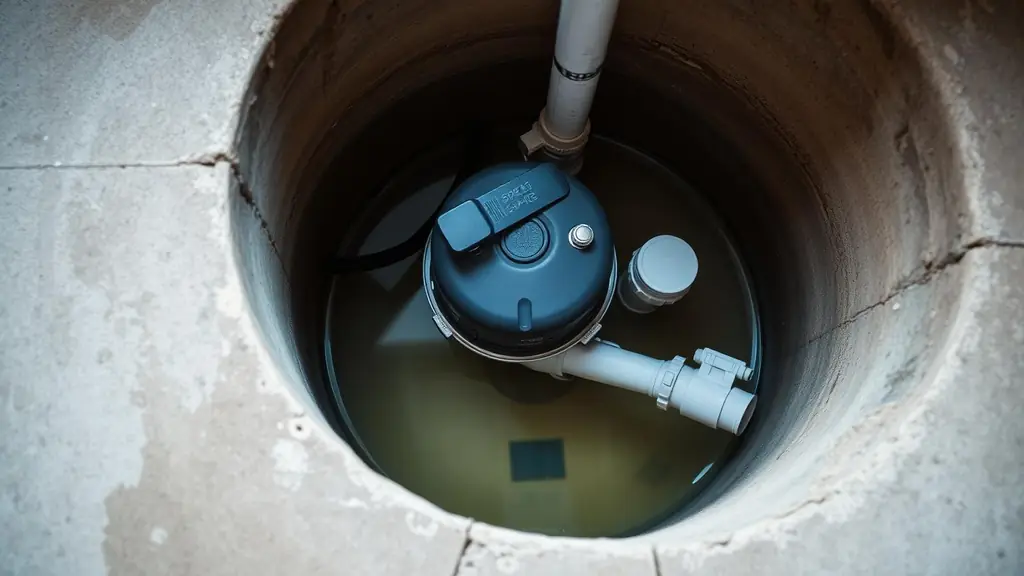
Quick answer: sump pump that runs constantly
A sump pump running nonstop usually means either genuinely high groundwater constantly refilling the pit, a stuck or miswired float switch keeping it triggered, or another water source — like a sump discharge line looping back, a broken pipe, or condensate lines — feeding the pit directly.
Get it inspected
A constantly running pump either indicates real, ongoing groundwater inflow that needs a drainage evaluation, or a failing switch or motor that risks burning out — both warrant attention within days to avoid a pump failure during the next storm.
A sump pump is supposed to cycle: fill, pump out, shut off, and sit idle until the pit refills naturally. Continuous running means either the inflow rate has genuinely increased or the switch mechanism itself is malfunctioning and no longer registering an empty pit.
Before assuming your water table has risen, rule out the mechanical and plumbing issues first — they are cheaper and more common than they seem.
Warning signs of sump pump that runs constantly
- Pump motor never fully stops, even hours after any rain
- Pit refills within seconds of the pump shutting off
- Unusually hot or burning-smell motor housing
- Discharge line running constantly even during dry weather
Most likely causes of sump pump that runs constantly, ranked
1. Discharge line looping back into the pit or draining too close to the foundation
Most common mechanical cause
If the discharge pipe outside is short, disconnected, or draining onto ground that slopes back toward the house, the pumped water re-enters the same soil the pit draws from, creating a closed loop where the pump essentially pumps the same water repeatedly.
10-minute self-test: Trace the discharge pipe from the pump to its outdoor termination point. Confirm it extends at least 10–20 feet from the foundation and empties onto ground sloping away from the house.
2. A stuck, miswired or worn-out float switch
Very common mechanical failure
The float switch tells the pump when the pit is full and empty. A float that's caught on the pit wall, a discharge pipe, or debris can stay in the 'on' position even after the pit empties, running the pump dry, which shortens motor life significantly and can cause overheating.
10-minute self-test: Watch the pit through a full cycle. If the float visibly catches on anything or the pump keeps running with the pit clearly empty, the switch is the problem.
3. Genuinely high groundwater or a saturated water table
Common seasonally, especially spring or after prolonged rain
In areas with a naturally high water table, or during spring snowmelt and extended wet periods, groundwater can refill the pit fast enough that the pump cycles almost continuously simply because the inflow rate is high — this is the system working as designed under heavy load, not a malfunction.
10-minute self-test: Check whether the constant running correlates with a wet season or recent heavy rain versus happening even during a dry stretch. Constant running only during wet periods supports a high water table as the driver.
4. A broken interior plumbing or condensate line draining into the pit
Less common but easy to miss
Some homes route a dehumidifier drain, an HVAC condensate line, a water softener discharge, or occasionally a mistakenly connected sink drain into the sump pit. Any of these running continuously, or a leak feeding the pit directly, can mimic a groundwater problem.
10-minute self-test: Check what's connected to or draining near the pit besides the perimeter drain tile — dehumidifiers, condensate lines and softener discharges are common culprits.
This cause is not a DIY repair — it needs a basement waterproofing contractor.
5. An undersized pump for the property's actual inflow rate
Less common as a root cause
A pump rated for a smaller pit or lower gallons-per-hour than the property's peak groundwater inflow will run constantly during heavy demand simply because it can't keep pace, even if every other part of the system works correctly.
10-minute self-test: Check the pump's rated GPH against pit size and how quickly the pit refills after a cycle; a pit refilling faster than the pump's rated capacity confirms undersizing.
This cause is not a DIY repair — it needs a basement waterproofing contractor.
Your 10-minute check list for sump pump that runs constantly
- Trace the discharge line's outdoor termination point and slope
- Watch a full pump cycle to check the float switch's movement
- Note whether constant running correlates with wet weather or happens in dry conditions too
- Check for other drains (dehumidifier, condensate, softener) feeding the pit
What it costs to fix sump pump that runs constantly
| Cause / repair | DIY cost | Professional cost |
|---|---|---|
| Discharge line extension/redirection | $30–$100 | $150–$400 |
| Float switch replacement | $20–$60 | $100–$250 |
| New sump pump (correctly sized) | $150–$400 | $400–$1,200 |
| Battery backup sump system | $150–$350 | $500–$1,200 |
| Interior French drain expansion/upgrade | n/a | $2,500–$8,000 |
| Diagnosing and disconnecting a misrouted drain line | n/a | $150–$400 |
See the full cost breakdown for this repair →
DIY fixes for sump pump that runs constantly
Extend the discharge line 10–20 feet from the foundation
This alone stops the recirculation loop that causes many 'constantly running' complaints.
Clear debris around the float switch
Remove any sediment, pit liner obstruction, or discharge pipe interference that could catch the float mechanism.
Confirm the check valve is installed and functioning
A missing or failed check valve lets water in the discharge pipe fall back into the pit after each cycle, forcing the pump to immediately re-pump the same water.
Test pump capacity against pit refill rate
Time how fast the pit refills after a full pump-out; compare that rate to the pump's rated gallons per hour to confirm whether it's undersized.
Mistakes to avoid with sump pump that runs constantly
- Ignoring a hot or burning-smell pump motor — running dry from a stuck float can burn out a motor within hours
- Assuming a new, bigger pump fixes a discharge line recirculation problem — it will still run constantly until the loop is broken
- Letting a discharge line freeze and back up in winter without a proper freeze-resistant fitting
Where homeowners waste money on sump pump that runs constantly
- Replacing the pump with a larger horsepower unit before checking the discharge line and float switch, which cause the majority of 'always running' complaints
- Running a pump continuously for months without addressing the cause — motor failure typically follows within a season and forces an emergency replacement
When to call a basement waterproofing contractor about sump pump that runs constantly
Ask a waterproofing contractor to evaluate actual inflow volume before recommending a bigger pump — an undersized pump is less common than a recirculation loop or bad switch.
If groundwater is genuinely high seasonally, ask about a secondary pit or expanded drain tile system rather than relying on one pump running at its limit constantly.
Get an electrician or plumber to trace any unexplained drain line feeding the pit that isn't part of the perimeter drain system.
What a basement waterproofing contractor actually does on this job →
How to prevent sump pump that runs constantly coming back
- Test the float switch and full pump cycle every spring
- Inspect the discharge line route and check valve annually
- Install a battery backup system so pumping continues during power outages
- Keep the pit free of sediment and debris
Why Is My House Getting a Sump Pump That Runs Constantly — questions homeowners ask
Is it normal for a sump pump to run constantly during heavy rain?
Frequent cycling during and immediately after a major storm is normal system behavior. Truly continuous running that never pauses, or that continues for days after rain stops, indicates either very high groundwater or a mechanical problem like a stuck float or recirculating discharge line.
Will a sump pump burn out if it runs all the time?
Yes. Pumps running dry due to a stuck float, or running under continuous heavy load beyond their rated duty cycle, overheat and typically fail well before their expected 7–10 year lifespan.
How do I know if my sump pump is too small?
Compare its rated gallons-per-hour output to how quickly your pit refills between cycles during peak conditions. If the pit consistently refills faster than the pump can remove water, even with no mechanical faults, it's undersized for your property's inflow.
Why does my sump pump run even when it hasn't rained?
This points away from groundwater and toward a mechanical or plumbing cause — most often a discharge line recirculating water back into the pit, a stuck float switch, or another drain line (dehumidifier, condensate, softener) feeding the pit directly.
Problems related to sump pump that runs constantly
- Why Is My House Getting Water in the Basement?Same part of the house — Basement water almost always enters where hydrostatic pressure pushes groundwater through a wall or floor joint, or where surface water pools against the foundation because of clogged gutters or negative grading.Moisture, Water & Mold Get it inspected
- Why Is My House Getting White Powder on Basement Walls?Same part of the house — White powdery deposits on basement walls are efflorescence: soluble mineral salts, mainly calcium carbonate, left behind after water travels through concrete or block and evaporates at the surface.Moisture, Water & Mold Low urgency — monitor
- Why Is My House Getting Water After Heavy Rain?Often shows up alongside this problem. Water appearing specifically during or after heavy rain, but not other times, means the entry point is directly tied to storm-volume water: roof flashing, gutters overflowing, poor grading, or a foundation crack under hydrostatic pressure.Moisture, Water & Mold Get it inspected
- Why Is My House So Humid?Your house is humid because moisture is entering faster than it leaves.Moisture, Water & Mold Get it inspected
Sources used for sump pump that runs constantly
- FEMA — Basement Flooding: Prevention and Recovery Fact Sheet
- International Residential Code (IRC) P3007 — Sump Pumps and Ejector Systems
- U.S. Department of Housing and Urban Development — Residential Foundation Drainage Guidance