
Why Is My House Getting Water After Heavy Rain?
Reviewed 2026-07-30 · How we research
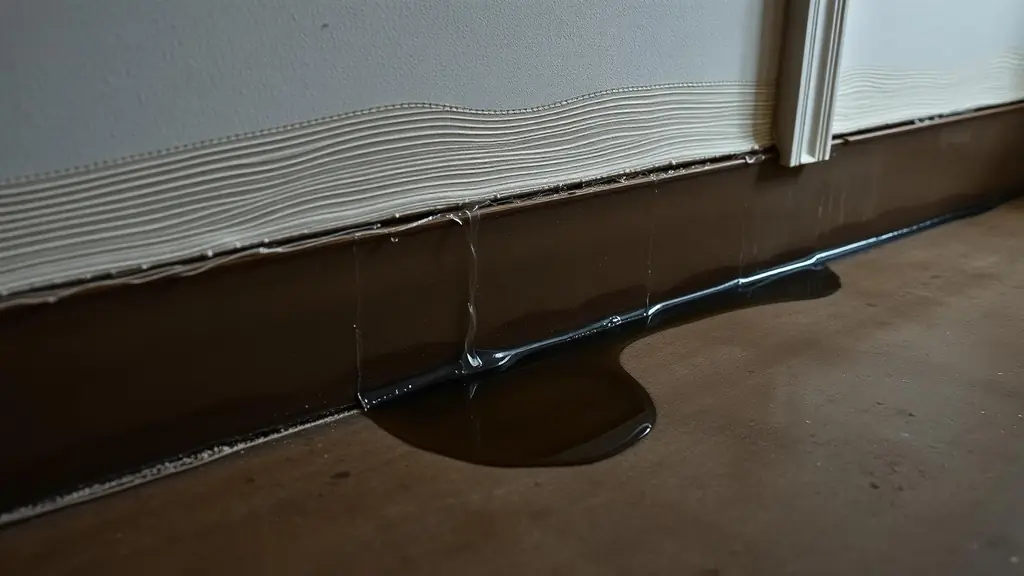
Quick answer: water after heavy rain
Water appearing specifically during or after heavy rain, but not other times, means the entry point is directly tied to storm-volume water: roof flashing, gutters overflowing, poor grading, or a foundation crack under hydrostatic pressure. The timing and location narrow it down quickly.
Get it inspected
Water that appears only tied to rainfall is predictable and traceable, but repeated intrusion damages framing, flooring and drywall and can support mold within 24–48 hours of wetting. Address it within weeks of the first occurrence.
The single biggest diagnostic clue you already have is timing: water that shows up only with rain, and specifically with heavy or sustained rain, points to a capacity problem somewhere in your drainage or building envelope rather than a constant leak.
Walk the exterior during the next storm if it's safe to do so, or immediately after — active flow is far easier to trace than a dried stain the next week.
Warning signs of water after heavy rain
- Ceiling stains that appear only after storms, not steady dripping
- Basement or crawl space water appearing 12–24 hours after rain starts
- Water at a specific window or door only during wind-driven rain
- Gutters visibly overflowing during moderate to heavy rain
Most likely causes of water after heavy rain, ranked
1. Gutters overflowing or downspouts discharging at the foundation
Most common — roughly 4 in 10 cases
A standard gutter system is sized for a specific rainfall intensity; when gutters are clogged with debris or undersized for the roof area, water sheets over the edge directly against the siding and foundation during heavy rain specifically, which matches the exact symptom pattern homeowners describe.
10-minute self-test: During the next heavy rain, watch the gutters from a safe distance. Overflow at any point, or a downspout discharging within 5 feet of the foundation, is a very likely direct cause.
2. Roof flashing or valley failure overwhelmed by heavy rain volume
Common, especially with ceiling stains
Flashing at chimneys, valleys, skylights and roof-to-wall transitions is designed to shed typical rain, but a failing or improperly lapped flashing detail can hold up fine in light rain and only leak once water volume and wind-driven angle exceed its capacity during a heavy storm.
10-minute self-test: Check the attic directly above and slightly upslope from the ceiling stain within a day of the next heavy rain, looking for fresh wet spots on sheathing near a flashing detail.
This cause is not a DIY repair — it needs a water damage restoration contractor.
3. Negative grading or clogged exterior drains overwhelmed by storm volume
Very common for basement and crawl space entry
Grading and yard drains that handle light rain fine can be overwhelmed once total rainfall volume exceeds their capacity, sending sheet water toward the foundation and into the basement or crawl space, typically 12 to 24 hours into a sustained storm as the soil saturates.
10-minute self-test: Check the yard slope and any catch basins or French drains for standing water or debris blockage during and after a heavy storm.
4. A foundation crack under hydrostatic pressure
Common in below-grade spaces
Saturated soil after heavy rain increases hydrostatic pressure against foundation walls, pushing water through cracks that stay dry during light rain but weep or stream once the soil is fully saturated during a heavy or sustained event.
10-minute self-test: Mark any visible foundation crack and check it specifically 12–24 hours into a heavy rain event, not just immediately after it starts.
This cause is not a DIY repair — it needs a water damage restoration contractor.
5. Window or door flashing failure under wind-driven rain
Less common, but specific to storm conditions
A window or door with degraded flashing or sealant can resist a light, calm rain but fail once wind drives water horizontally into the gap around the frame during a heavy storm, producing water only in specific storm conditions.
10-minute self-test: Note wind direction during the event that produced water; a pattern tied to one specific wind direction points to flashing on that side of the house.
This cause is not a DIY repair — it needs a water damage restoration contractor.
Your 10-minute check list for water after heavy rain
- Watch gutters and downspouts during the next heavy rain
- Check the attic above any ceiling stain within a day of heavy rain
- Inspect yard grading and drains for standing water
- Mark foundation cracks and check them 12–24 hours into a storm
- Note wind direction during the storm that caused water intrusion
What it costs to fix water after heavy rain
| Cause / repair | DIY cost | Professional cost |
|---|---|---|
| Gutter cleaning and downspout extension | $50–$150 | $150–$400 |
| Gutter guards / capacity upgrade | $150–$400 | $1,000–$3,000 |
| Roof flashing repair | n/a | $300–$1,200 |
| Regrading and drainage correction | $150–$500 | $1,500–$5,000 |
| Foundation crack injection | $50–$150 | $400–$1,500 |
| Window/door flashing and reseal | $30–$80 | $300–$800 per opening |
See the full cost breakdown for this repair →
DIY fixes for water after heavy rain
Clean gutters before and after the wettest season
A clogged gutter overflows well before it reaches capacity; twice-yearly cleaning prevents the single most common cause of storm-triggered leaks.
Extend downspouts at least 5 feet from the foundation
This alone stops a large share of storm-triggered basement and crawl space water without any structural work.
Check and reseal exterior caulk around problem windows and doors
Focus on the side of the house facing the prevailing wind direction during storms that caused the leak.
Clear yard drains and catch basins of leaves and debris
A blocked catch basin has zero capacity even if the pipe beneath it is fine.
Mistakes to avoid with water after heavy rain
- Ignoring a leak because it 'only happens in heavy rain' — that pattern still indicates a real capacity failure that worsens over time
- Patching a ceiling stain with paint before finding and fixing the roof or flashing source above it
- Assuming any single fix (like a French drain) will resolve intrusion coming from a different source (like roof flashing)
Where homeowners waste money on water after heavy rain
- Repeated ceiling patch-and-paint jobs without a roof inspection to find the actual flashing failure
- A whole-yard drainage overhaul when the actual cause is simply undersized or clogged gutters
When to call a water damage restoration contractor about water after heavy rain
Ask a roofer to do a hose test on suspected flashing during dry weather, simulating heavy rain conditions in a controlled way to pinpoint the exact failure point.
For recurring basement or crawl space water tied to storms, get a drainage contractor to evaluate both grading and a French drain system together rather than piecemeal.
Document each rain event with photos and rainfall totals — patterns across several storms help a contractor diagnose faster and more accurately.
What a water damage restoration contractor actually does on this job →
How to prevent water after heavy rain coming back
- Clean gutters at least twice a year and after major storms
- Confirm downspout extensions annually before storm season
- Have roof flashing inspected every few years, especially around chimneys and valleys
- Recheck yard grading periodically as soil settles over time
Why Is My House Getting Water After Heavy Rain — questions homeowners ask
Why does water only appear in my basement during heavy rain, not light rain?
Light rain rarely saturates the soil around a foundation enough to build meaningful hydrostatic pressure or overwhelm gutters and grading. Heavy or sustained rain increases both water volume and soil saturation past the threshold where these systems keep water out.
How long after heavy rain should I expect a leak to show up?
Roof and flashing leaks often show within a couple of hours of an active storm. Basement and crawl space water from soil saturation and hydrostatic pressure commonly appears 12 to 24 hours after rain starts, once the surrounding soil is fully saturated.
Does wind direction matter for rain-related leaks?
Yes. Wind-driven rain can force water through window, door and siding gaps that stay dry in calm rain, which is why leaks tied to one specific storm direction usually trace to flashing or sealant on that side of the house.
Should I fix drainage or the roof first if I'm not sure which is causing it?
Start by locating exactly where the water enters — attic inspection for ceiling stains, exterior walkthrough for basement or crawl space water. Fixing the wrong system first wastes money and leaves the actual entry point untouched.
Problems related to water after heavy rain
- Why Is My House Getting Water in the Basement?Often shows up alongside this problem. Basement water almost always enters where hydrostatic pressure pushes groundwater through a wall or floor joint, or where surface water pools against the foundation because of clogged gutters or negative grading.Moisture, Water & Mold Get it inspected
- Why Is My House Getting Bubbling Paint on the Wall?Same part of the house — Paint bubbles or blisters when moisture gets trapped between the paint film and the wall surface, breaking the paint's adhesion.Moisture, Water & Mold Get it inspected
- Why Is My House Getting a Sump Pump That Runs Constantly?Often shows up alongside this problem. A sump pump running nonstop usually means either genuinely high groundwater constantly refilling the pit, a stuck or miswired float switch keeping it triggered, or another water source — like a sump discharge line looping back, a broken pipe, or condensate lines — feeding the pit directly.Moisture, Water & Mold Get it inspected
- Why Is My House Smelling Musty?A musty smell is microbial volatile organic compounds — geosmin and 2-methylisoborneol — released by mold and bacteria digesting damp material.Smells & Odors Get it inspected
Sources used for water after heavy rain
- FEMA — Basement Flooding: Prevention and Recovery Fact Sheet
- International Residential Code (IRC) R903 — Weather Protection and Flashing
- NOAA National Weather Service — Understanding Heavy Rainfall and Flood Risk