
Why Is My House Getting Water in the Basement?
Reviewed 2026-07-30 · How we research
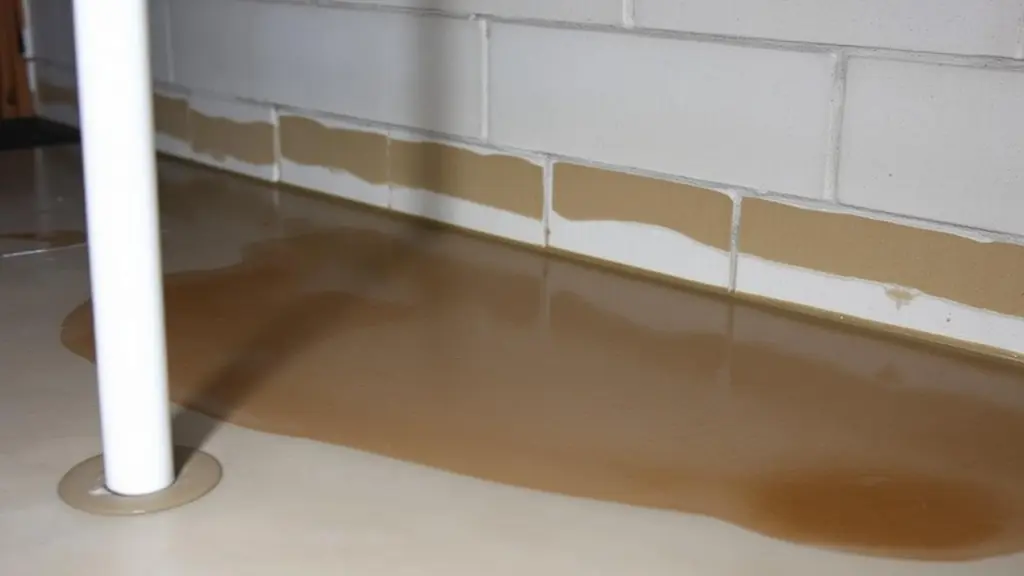
Quick answer: water in the basement
Basement water almost always enters where hydrostatic pressure pushes groundwater through a wall or floor joint, or where surface water pools against the foundation because of clogged gutters or negative grading. Trace the entry point first — wall, floor joint or window well — before hiring anyone.
Get it inspected
Recurring basement water damages framing, drywall and stored items and supports mold growth within 24–48 hours. It rarely floods a house outright, but it needs correction within weeks, not years.
Basements sit below the water table and below grade, so they are the lowest, coldest, highest-pressure point in the building envelope. Most water problems there trace back to what happens above ground: gutters, downspouts and the slope of the soil for the first 10 feet around the foundation.
Interior signs like efflorescence, a musty smell or peeling paint often show up months before you see standing water, so treat early warning signs as your cue to inspect the exterior drainage first.
Warning signs of water in the basement
- Water appears along the wall-floor joint after rain, not through the wall itself
- White chalky efflorescence on block or poured walls
- Musty smell strongest in one corner of the basement
- Damp or moldy cardboard boxes stored directly on the slab
- Sump pump cycles heavily during and after storms
Most likely causes of water in the basement, ranked
1. Clogged or short downspouts dumping water at the foundation
Most common — roughly 4 in 10 cases
A downspout that empties within 2 feet of the foundation, or one clogged with debris, concentrates hundreds of gallons of roof runoff exactly where the wall meets the footing during a single storm. IRC guidance calls for downspout extensions of at least 5 feet with the ground sloping away at 6 inches over the first 10 feet. This is the cheapest cause to rule out and the most commonly ignored.
10-minute self-test: During the next rain, watch each downspout outlet for 10 minutes. If water pools instead of running away, or the extension is missing or crushed, you have found a primary source.
If that test is negative: If all downspouts drain well away from the house and water still enters, look at hydrostatic pressure or a foundation crack instead.
2. Negative grading sloping water toward the house
Very common, especially in homes over 15 years old
Soil settles over time, and mulch beds and patios often get built up until they slope toward the foundation instead of away from it. Any grade sloping toward the house funnels every rain event directly against the wall. Correcting grade alone resolves a large share of basement seepage cases without any interior work.
10-minute self-test: Set a 4-foot level or a hose against the foundation and sight along the soil line for 10 feet out. Any low spot or slope toward the house is contributing water.
3. Hydrostatic pressure through a wall-floor cove joint
Common in high water-table areas
When soil around the foundation saturates, groundwater pressure pushes water through the joint where the wall meets the floor slab — the path of least resistance. This shows as a thin line of water tracking along the perimeter rather than a stream from a crack, and it typically worsens 12–24 hours after heavy rain as the soil saturates.
10-minute self-test: Mark where water first appears with tape and check timing relative to rainfall. Water starting at the cove joint a day after rain, running the length of a wall, points to hydrostatic pressure rather than a localized crack.
This cause is not a DIY repair — it needs a basement waterproofing contractor.
4. A foundation crack or failed window well
Common, easy to miss
Vertical shrinkage cracks under 1/8 inch usually just weep; wider cracks or ones with visible displacement can pass real volume during storms. Window wells without gravel drainage or a working cover fill like a bucket and overflow directly against the wall and sill.
10-minute self-test: Inspect each foundation wall and window well with a flashlight after a dry week, then again the morning after rain. A visible wet crack or standing water in a well confirms the source.
If that test is negative: If walls and wells are dry, look at grading or gutters as the entry point instead.
5. Failed or undersized sump pump system
Less common as a root cause, common as an amplifier
In homes with an interior drain tile and sump pit, water intrusion is expected to be managed and hidden until the pump fails, loses power, or is undersized for peak inflow. A pump rated below roughly 1/3 HP struggles in heavy regional storms, and a pit without a battery backup fails during the power outages that often accompany major storms.
10-minute self-test: Pour 5 gallons of water into the sump pit and time the pump cycle. If it struggles, cycles constantly, or doesn't engage, the pump itself needs service.
This cause is not a DIY repair — it needs a basement waterproofing contractor.
Your 10-minute check list for water in the basement
- Check that all downspouts extend at least 5 feet from the foundation
- Confirm soil grade slopes away from the house at least 6 inches over 10 feet
- Test the sump pump with a bucket of water
- Inspect window wells for gravel drainage and intact covers
- Look for a visible wet crack versus a wet joint the day after rain
What it costs to fix water in the basement
| Cause / repair | DIY cost | Professional cost |
|---|---|---|
| Downspout extensions | $20–$60 | $100–$300 |
| Regrading around foundation | $100–$400 | $800–$3,000 |
| Window well with gravel and cover | $80–$200 | $300–$800 per well |
| Foundation crack injection | $50–$150 (epoxy kit) | $400–$1,500 |
| Interior French drain and sump system | n/a | $2,500–$8,000 |
| Exterior excavation waterproofing | n/a | $8,000–$20,000+ |
| New sump pump with battery backup | $200–$500 | $600–$1,800 |
See the full cost breakdown for this repair →
DIY fixes for water in the basement
Extend and clear every downspout
Add rigid or flexible extensions so water discharges at least 5 feet from the foundation, and clean gutters twice a year so downspouts do not back up during storms.
Regrade the first 10 feet around the house
Add and compact soil so grade slopes 6 inches downward over 10 feet away from the foundation, using clay-heavy fill rather than mulch, which does not shed water.
Add gravel and a cover to window wells
A well liner with 6–8 inches of gravel and a clear polycarbonate cover keeps rain from pooling against the sill and wall.
Test and maintain the sump pump annually
Pour water into the pit each spring, confirm the check valve holds, and install a battery backup so the system still runs during a storm-related power outage.
Mistakes to avoid with water in the basement
- Painting over damp basement walls with waterproof paint before fixing the water source — it traps moisture and blisters within a season
- Filling cracks with hardware-store caulk instead of a proper epoxy or polyurethane injection
- Assuming a French drain system fixes exterior grading problems — it treats water after entry, not before
Where homeowners waste money on water in the basement
- Interior waterproof paint applied without fixing exterior grading or gutters
- A whole-house exterior excavation when the actual source is a single short downspout
- Foundation crack injection sold as a fix for cove-joint hydrostatic seepage — different problem, different repair
When to call a basement waterproofing contractor about water in the basement
Get a waterproofing contractor to do a dye or hose test to confirm the exact entry point before agreeing to any excavation.
Ask whether the recommended fix is interior (drain tile and sump) or exterior (excavation and membrane) and why — exterior work stops water at the wall but costs far more.
A structural engineer, not a waterproofer, should evaluate any crack wider than 1/4 inch or showing wall displacement.
What a basement waterproofing contractor actually does on this job →
How to prevent water in the basement coming back
- Clean gutters every spring and fall
- Reassess grading every few years as soil settles
- Keep mulch beds at least 6 inches below siding and sloped away from the house
- Test the sump pump before storm season each year
Why Is My House Getting Water in the Basement — questions homeowners ask
How can I tell if basement water is coming from a crack or from the floor joint?
Mark the first visible wet spot with tape and watch it over a storm cycle. Water from a distinct crack appears at that single point; water from hydrostatic pressure appears as a thin line along the entire wall-floor joint, usually a day after the rain saturates the soil.
Will a sump pump alone fix a wet basement?
A sump pump manages water once it is already inside the drain tile system, but it does nothing to stop water from entering in the first place. Fixing grading and downspouts first reduces how often the pump has to run and how much water reaches the system.
Is basement water always a foundation problem?
No. The IRC and most waterproofing contractors find that the majority of basement water intrusion traces to exterior drainage — gutters, downspouts and grading — rather than a structural defect in the foundation itself.
How much does it cost to fix a leaking basement?
Exterior fixes like downspout extensions and regrading run $100–$3,000. Interior drain tile and sump systems run $2,500–$8,000. Full exterior excavation waterproofing runs $8,000–$20,000 or more depending on foundation length and depth.
Problems related to water in the basement
- Why Is My House Getting White Powder on Basement Walls?Same part of the house — White powdery deposits on basement walls are efflorescence: soluble mineral salts, mainly calcium carbonate, left behind after water travels through concrete or block and evaporates at the surface.Moisture, Water & Mold Low urgency — monitor
- Why Is My House Getting a Sump Pump That Runs Constantly?Same part of the house — A sump pump running nonstop usually means either genuinely high groundwater constantly refilling the pit, a stuck or miswired float switch keeping it triggered, or another water source — like a sump discharge line looping back, a broken pipe, or condensate lines — feeding the pit directly.Moisture, Water & Mold Get it inspected
- Why Is My House Getting Water After Heavy Rain?Often shows up alongside this problem. Water appearing specifically during or after heavy rain, but not other times, means the entry point is directly tied to storm-volume water: roof flashing, gutters overflowing, poor grading, or a foundation crack under hydrostatic pressure.Moisture, Water & Mold Get it inspected
- Why Is My House Smelling Musty?A musty smell is microbial volatile organic compounds — geosmin and 2-methylisoborneol — released by mold and bacteria digesting damp material.Smells & Odors Get it inspected
- Why Is My House So Humid?Your house is humid because moisture is entering faster than it leaves.Moisture, Water & Mold Get it inspected
Sources used for water in the basement
- EPA — A Brief Guide to Mold, Moisture and Your Home
- International Residential Code (IRC) R401 — Foundation drainage and grading requirements
- FEMA — Basement Flooding: Prevention and Recovery Fact Sheet