
Quick answer: a house hotter than outside
A house feels hotter than outside because it stores heat in walls, floors and furniture during the day and releases it slowly, especially after sunset. Attic heat, sun through windows, and no night ventilation are the leading causes, followed by insulation and air-sealing gaps.
Get it inspected
Uncomfortable and can become a real heat-stress risk for infants, elderly or medically vulnerable occupants during extended heat waves. Address promptly if indoor temperatures stay above 85°F for multiple days.
Warning signs of a house hotter than outside
- Indoor temperature is measurably higher than the outdoor temperature in the evening or early morning
- Upstairs rooms stay hot long after the sun goes down
- Opening windows at night doesn't bring in noticeably cooler air fast enough
- The house feels like an oven immediately after being closed up during the day
Most likely causes of a house hotter than outside, ranked
1. Thermal mass releasing stored heat after the sun goes down
Most common explanation for evening indoor-hotter-than-outdoor readings
Concrete slabs, brick, drywall and furniture absorb solar and conductive heat all day and re-radiate it for hours. A house that reaches 82°F at 4 p.m. can still be radiating that heat into the room at 9 p.m. even though the outdoor air has dropped into the low 70s, because the building materials haven't caught up yet.
10-minute self-test: Point an infrared thermometer at an interior wall or floor slab in the evening. A surface reading several degrees above the current air temperature confirms stored thermal mass is still releasing heat.
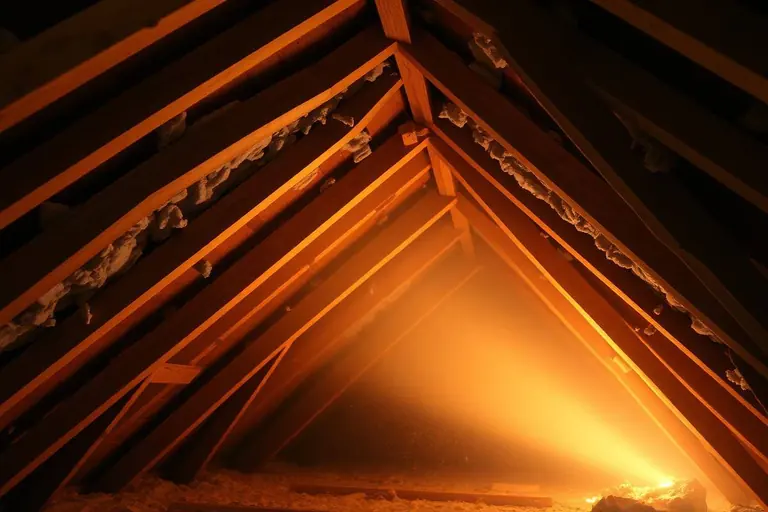
2. Attic heat radiating and conducting into living space
Very common contributor
An attic under a dark roof can hit 130–150°F in the afternoon. Even with the AC off in the evening, that superheated attic air and the hot roof deck continue transferring heat through the ceiling for hours, especially where insulation is thin.
10-minute self-test: Feel the ceiling below the attic in the evening. Warmth radiating down, or a hot attic hatch, indicates the attic is still acting as a heat source after outdoor temperatures have fallen.
3. Unmanaged solar gain through windows, especially west-facing glass
Very common
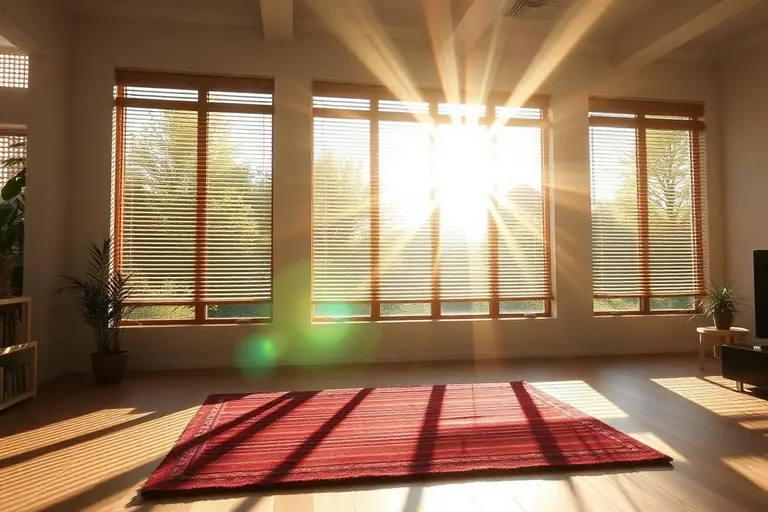
West-facing windows take direct, low-angle sun in the late afternoon, dumping a large heat load into the room right as outdoor temperatures often start to drop. Without shading, that glass keeps adding heat well past when it would help to open a window instead.
10-minute self-test: Check whether the hottest room in the house has unshaded windows facing west or south, and note whether its temperature spikes specifically in late afternoon.
4. No nighttime ventilation to flush stored heat
Common, especially in climates with cool nights
In climates where nights genuinely cool off, a house that stays sealed up around the clock traps the day's heat inside. Opening windows for a few hours after the outdoor temperature drops below the indoor temperature can exchange that stored heat for cooler outside air, but many homes never do this because the AC or habit keeps everything closed.
10-minute self-test: Compare indoor and outdoor temperature at 9–10 p.m. If outdoor air is meaningfully cooler and windows have been closed all evening, ventilation timing is a likely factor.
5. Insufficient attic insulation
Common in older homes
The U.S. Department of Energy recommends R-49 to R-60 of attic insulation for most climates. Thinner insulation lets more of the day's attic heat conduct into the ceiling below, extending the period of the evening during which the house runs hotter than outdoor air.
10-minute self-test: Measure attic insulation depth. Less than 10–12 inches typically under-performs for both heating and cooling seasons.
6. Air leakage pulling in hot air rather than sealing it out
Common
Gaps at the attic plane, rim joists and around penetrations let hot daytime air infiltrate continuously, adding to the heat load the house has to shed once the sun sets.
10-minute self-test: On a hot day, run bathroom exhaust fans to depressurize the house and check with an incense stick at outlets, baseboards and the attic hatch for smoke pulled sideways.
7. Undersized or underperforming AC unable to catch up
Less common as a sole cause, but compounds the others
If the air conditioner barely keeps pace during the hottest part of the day, it has no reserve capacity to pull the indoor temperature back down once the sun sets, especially with a house full of stored heat and a hot duct system.
10-minute self-test: Track whether indoor temperature ever dips meaningfully below its daytime peak by late evening even with the AC running. If it stays essentially flat, capacity may be maxed out.
8. Internal heat sources adding load in the evening
Occasional
Ovens, dryers, multiple computers, and even a full house of incandescent or halogen lighting add measurable heat right when people are home in the evening, working against the cooling the house needs after a hot day.
10-minute self-test: Note whether the indoor temperature climbs noticeably after dinner is cooked or the dryer runs, independent of outdoor conditions.
Your 10-minute check list for a house hotter than outside
- Compare indoor vs outdoor temperature at several points during the evening
- Check attic insulation depth
- Feel interior walls, floors and the ceiling for residual radiant heat
- Identify unshaded west- and south-facing windows
- Note whether windows are ever opened once outdoor air is cooler than indoor air
What it costs to fix a house hotter than outside
Blackout curtains or solar window film
DIY cost
$30–$150
Professional cost
$300–$1,200
Exterior shading or awnings on west windows
DIY cost
$60–$250
Professional cost
$500–$2,000
Attic insulation top-up to R-49–R-60
DIY cost
$500–$1,200
Professional cost
$1,700–$4,500
Air sealing (attic hatch, penetrations)
DIY cost
$50–$150
Professional cost
$800–$2,500
Whole-house fan for night ventilation
DIY cost
$300–$600
Professional cost
$900–$2,000
Programmable thermostat with night setback schedule
DIY cost
$40–$250
Professional cost
$150–$400 installed
See the full cost breakdown for this repair →
DIY fixes for a house hotter than outside
Close blinds and shades before the sun hits, not after
Closing window coverings in the morning on sun-facing windows prevents heat from ever entering the thermal mass of the room, rather than trying to block it once the room is already hot.
Open windows once outdoor air drops below indoor temperature
Check a thermometer before bed. If outdoor air is cooler, opening windows for a few hours (with screens, and safely) exchanges stored indoor heat for cooler outside air.
Run kitchen and bathroom exhaust after cooking or showering
Venting that heat and humidity outside rather than letting it linger reduces the evening heat load with no cost beyond running the fan.
Delay heat-generating chores until late evening or early morning
Running the dryer or oven at the coolest part of the day, rather than during peak heat, avoids adding load exactly when the house is trying to cool down.
Add or improve attic ventilation and insulation
Reducing how much heat the attic absorbs and re-radiates shortens the window during which the ceiling keeps transferring heat into the house after sunset.
Mistakes to avoid with a house hotter than outside
- Opening windows during the hottest part of the day thinking it will cool the house — it does the opposite
- Running the AC harder in the evening without addressing solar gain and insulation, since it will keep fighting a losing battle each afternoon
- Leaving unshaded west-facing windows uncovered through peak summer
Where homeowners waste money on a house hotter than outside
- Running the AC at maximum through the evening without shading or insulation work, since the same thermal mass problem repeats every day
- Portable AC units purchased to cool one hot room without addressing the window or attic heat source causing it
When to call a pro about a house hotter than outside
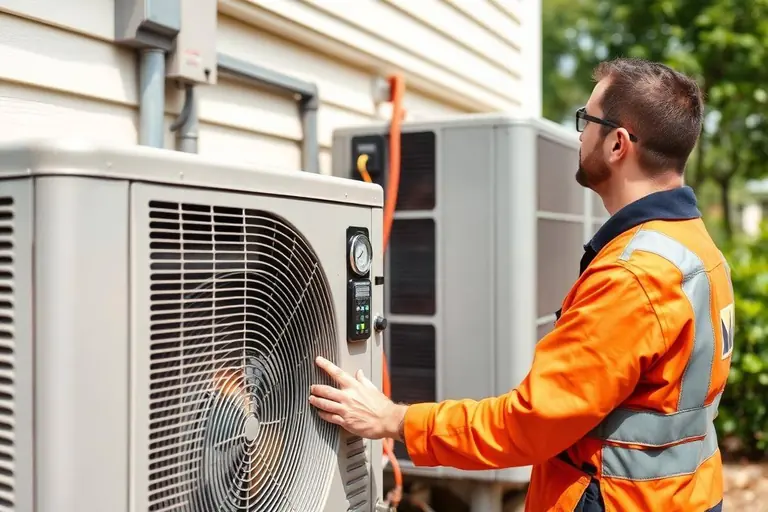
A home-performance contractor can run a blower-door and thermal-imaging assessment to show exactly where heat is being stored and released, rather than guessing from room to room.
If a whole-house fan is being considered for night ventilation, have a contractor confirm attic ventilation is adequate first — pulling hot air into an under-vented attic can be counterproductive.
What a hvac technician or home-performance contractor actually does on this job →
How to prevent a house hotter than outside coming back
- Install exterior shading or solar screens on west- and south-facing windows before summer
- Add a whole-house fan or plan a nightly window-opening routine in climates with cool nights
- Keep attic insulation and ventilation at DOE-recommended levels to limit how much heat the roof deck stores and releases
Frequently asked questions
Why is my house hotter at night than during the day outside?
Building materials such as drywall, framing and concrete absorb heat throughout the day and release it slowly over several hours, so the house can still be radiating stored heat well after outdoor temperatures have dropped.
Does opening windows at night actually help?
Yes, if outdoor air is cooler than indoor air. Opening windows lets that cooler air replace the warm indoor air and lets stored heat in walls and floors radiate out faster.
Is it normal for the upstairs to stay hot long after sunset?
Yes — heat rises and accumulates in upper floors and attics throughout the day, and that heat takes hours to dissipate, especially with thin insulation or dark roofing.
Could my house being hotter than outside mean something is wrong with my AC?
It can contribute if the system has no reserve capacity to pull the temperature down after a hot day, but in most cases this is a building heat-storage and solar-gain issue rather than an equipment fault.
Will a whole-house fan help with this specific problem?
Often yes, in climates where nights cool off — it actively exchanges hot indoor air for cooler outdoor air far faster than passive window opening.
Does furniture and flooring really store enough heat to matter?
Yes. Dense materials such as tile, concrete slabs and solid wood furniture have significant thermal mass and can measurably raise the radiant temperature of a room hours after direct heating stops.
Related problems
- Why Is My House So Hot?
- Why Is My House Not Cooling Down?
- Why Is My House Getting Hot Upstairs?
- Why Is My House Hotter Than the Thermostat Setting?
- Why Is My House Getting Drafty Windows?
- Why Is My House Humidity So High?
Sources
- U.S. Department of Energy — Cooling Systems
- U.S. Department of Energy — Insulation Guidance
- ENERGY STAR — Heating and Cooling Guide
- U.S. DOE Building America — attic and thermal mass research
- ASHRAE — Residential Ventilation Standards