
Why Is My House Smelling Like Gas?
Reviewed 2026-07-30 · How we research
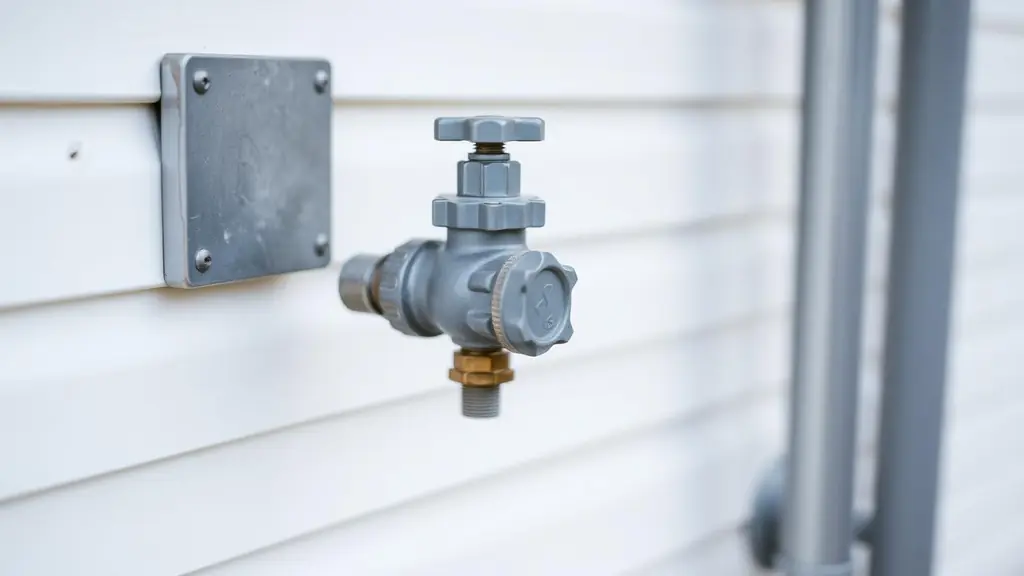
Quick answer: a gas smell
Natural gas and propane are odorless; utilities add mercaptan so it smells like rotten eggs or sulfur. If you smell it, leave the house immediately and call the gas company from outside. Common sources are a loose appliance connection, a pilot light out, or a corroded flex line — none are safe to diagnose while inside.
Urgent — act now
Natural gas is explosive between roughly 5% and 15% concentration in air. Treat any gas smell as an evacuation event first and a diagnosis second.
Gas smell safety warning: what to do immediately
LEAVE THE HOUSE NOW. Do not flip any light switch, unplug anything, use a phone indoors, or start a car in an attached garage — a spark can ignite accumulated gas. Do not open the windows if that delays leaving; just get everyone and any pets out. From at least 100 feet away or a neighbor's house, call your gas utility's emergency line and 911. Do not go back inside until the utility says it is safe. If anyone is dizzy, nauseated, confused or unconscious, call 911 immediately — that can be carbon monoxide, which has no smell at all.
This page is different from the others. There is no ten-minute self-test that comes before evacuation. Natural gas has a lower explosive limit around 5% by volume in air; a small basement can reach that from a modest leak in under an hour.
Once the utility has confirmed the house is safe and located the leak, the information below tells you what was probably wrong, what it costs, and what to do next.
Most likely causes of a gas smell, ranked
1. A loose or corroded appliance connector
Most common single-point leak
The flexible connector behind a range, dryer or water heater is the usual failure. Older uncoated brass connectors made before 1973 are subject to a CPSC recall-level warning because the brass can crack. Moving an appliance to clean behind it is a classic way to break a marginal joint.
10-minute self-test: Only after the utility clears the house: brush soapy water on each fitting with the gas on. Growing bubbles mark the leak. Never use a flame to check for gas.
2. A pilot light that blew out
Common in older water heaters, ranges and wall furnaces
Standing-pilot appliances have a thermocouple that shuts the gas valve when the flame dies. When the thermocouple weakens, it can allow a brief gas release before closing. A faint intermittent gas smell near a water heater usually means a dying thermocouple, not a catastrophic leak.
10-minute self-test: After the house is cleared, look through the water heater sight glass for a steady blue pilot flame. A yellow, lazy or absent flame means service.
3. An unlit burner or a range knob bumped open
Very common and entirely benign once found
A knob nudged by a hip or a child, or a burner that clicked but never lit, releases raw gas into the kitchen. This is the reason a gas smell that appears at dinnertime and clears with ventilation is usually the stove.
10-minute self-test: Confirm every knob is fully in the OFF position. Check the oven too — an oven igniter that has weakened can take 90 seconds to light while gas flows.
4. A leak in the buried service line or house piping
Less common, always utility territory
Black iron pipe corrodes at threaded joints, and buried service lines can be damaged by digging, root pressure or ground movement. Outdoor signs include a patch of dead grass in a line across the yard and a hissing sound near the meter.
10-minute self-test: From outside, look for dead vegetation in a line, bubbling in puddles after rain, or blowing dirt near the meter. Report these to the utility; they inspect for free.
5. Sewer gas or a dead animal being mistaken for natural gas
Frequent misidentification — still call first
Sewer gas contains hydrogen sulfide, which also smells like rotten eggs. So does a decomposing rodent in a wall. The difference is not something to bet a house on. Call the gas company, let them clear it, then work through our sewage and rotten-egg pages.
10-minute self-test: Note where the smell is strongest. Concentrated at a drain or bathroom floor points to sewer gas. Concentrated at an appliance or the meter points to fuel gas. Report it either way.
What it costs to fix a gas smell
| Cause / repair | DIY cost | Professional cost |
|---|---|---|
| Gas utility emergency response and leak check | n/a | $0 — free, always call |
| Combustible gas detector (handheld) | $30–$120 | n/a |
| Natural gas / propane alarm (plug-in) | $30–$70 | n/a |
| Combination smoke + CO alarm | $35–$70 | n/a |
| Appliance flex connector replacement | $20–$50 | $150–$400 |
| Thermocouple replacement | $15–$30 | $150–$350 |
| Gas valve replacement | n/a | $300–$800 |
| Pressure test of house piping | n/a | $150–$500 |
| Repiping a gas line section | n/a | $500–$3,000 |
| Buried service line replacement | n/a | $1,500–$7,000 |
DIY fixes for a gas smell
Install a CO alarm on every level, outside every sleeping area
CPSC recommends this placement. Carbon monoxide is odorless and kills roughly 400 Americans a year in unintentional non-fire poisonings per CDC data. A $35 alarm is the highest-value safety purchase in your house.
Add a plug-in methane/propane alarm near gas appliances
Natural gas rises, so mount high. Propane is heavier than air, so mount low — within a foot of the floor. Getting this backwards makes the alarm useless.
Save the gas emergency number in your phone
It is printed on your bill. Add it as a contact today, because you will not be searching for it during an evacuation.
Replace pre-1973 uncoated brass connectors
If you see a bare brass flex line behind an appliance, have it replaced with a modern coated stainless connector. The CPSC has warned about these for decades.
Keep the area around gas appliances clear
No stored cardboard, paint or solvents near a water heater. Combustion appliances need air, and flammables near an open flame are a separate hazard.
Never test with a flame or 'wait and see'
The soapy water test is the only home test, and only after the utility has cleared the house.
Where homeowners waste money on a gas smell
- Trying to find the leak yourself before calling. The utility does it free and faster.
- Cheap 'gas sniffer' pens as your only detection. Use a listed alarm rated to UL 1484 (propane) or an equivalent standard.
- Ignoring a faint intermittent smell because it goes away. Intermittent means a marginal seal that will get worse.
- Replacing a whole water heater when a $20 thermocouple is the failure. Get a diagnosis before a sales pitch.
When to call a gas utility or licensed plumber about a gas smell
Always call the gas utility first. Emergency leak response is free in virtually every US service territory, and they carry combustible gas indicators far more sensitive than your nose.
The utility will locate and shut off the leak but usually will not repair house-side piping or appliances. That is a licensed plumber or gas fitter.
After any repair, require a pressure test and, for combustion appliances, a combustion analysis. Ask to see the CO reading in the flue — a properly operating gas appliance should show very low CO in the flue gas, and elevated readings mean a cracked heat exchanger or a venting problem.
Why Is My House Smelling Like Gas — questions homeowners ask
What should I do first if I smell gas in my house?
Leave immediately with everyone and your pets. Do not touch light switches, thermostats, garage door openers or phones inside, and do not start a vehicle in an attached garage. From a safe distance, call your gas utility's emergency number and 911. Do not re-enter until the utility says it is safe.
What does a natural gas leak smell like?
Natural gas and propane are odorless, so utilities add mercaptan, which smells like rotten eggs, sulfur or a skunk. Some people describe it as a sharp chemical smell. If you have a diminished sense of smell, a plug-in gas alarm is not optional.
Can a small gas leak make you sick?
Natural gas itself is an asphyxiant — it displaces oxygen. Symptoms of exposure include headache, dizziness, nausea and fatigue. Incomplete combustion from a malfunctioning appliance also produces carbon monoxide, which is odorless and far more dangerous. Any symptom cluster that improves when you leave the house and returns when you come back is a medical and safety emergency.
Where should I put a carbon monoxide alarm?
The CPSC recommends a CO alarm on every level of the home and outside each separate sleeping area. Keep them at least 15 feet from fuel-burning appliances to avoid nuisance alarms, replace the units every 5–7 years per the manufacturer's date, and test monthly.
Problems related to a gas smell
- Why Is My House Smelling Like Rotten Eggs?Often shows up alongside this problem. Three sources produce a rotten-egg smell: mercaptan added to natural gas, hydrogen sulfide from sewer gas, and sulfate-reducing bacteria in a water heater.Smells & Odors Urgent — act now
- Why Is My House Smelling Like Sewage?Sewer gas is entering your living space because a barrier failed.Smells & Odors Urgent — act now
- Why Is My House So Hot?A hot house is usually attic heat and window solar gain overwhelming an air conditioner that cannot keep up.Heating, Cooling & Air Get it inspected
- Why Is My House Having Flickering Lights?Often shows up alongside this problem. Most flickering is an LED bulb fighting an incompatible dimmer or a loose bulb — annoying, not dangerous.Electrical, Lighting & Power Urgent — act now
Sources used for a gas smell
- US CPSC — carbon monoxide alarm placement and gas connector warnings
- CDC — unintentional carbon monoxide poisoning data
- NFPA 54 — National Fuel Gas Code
- PHMSA — natural gas pipeline safety and odorization