
Why Is My House Smelling Like Sewage?
Reviewed 2026-07-30 · How we research
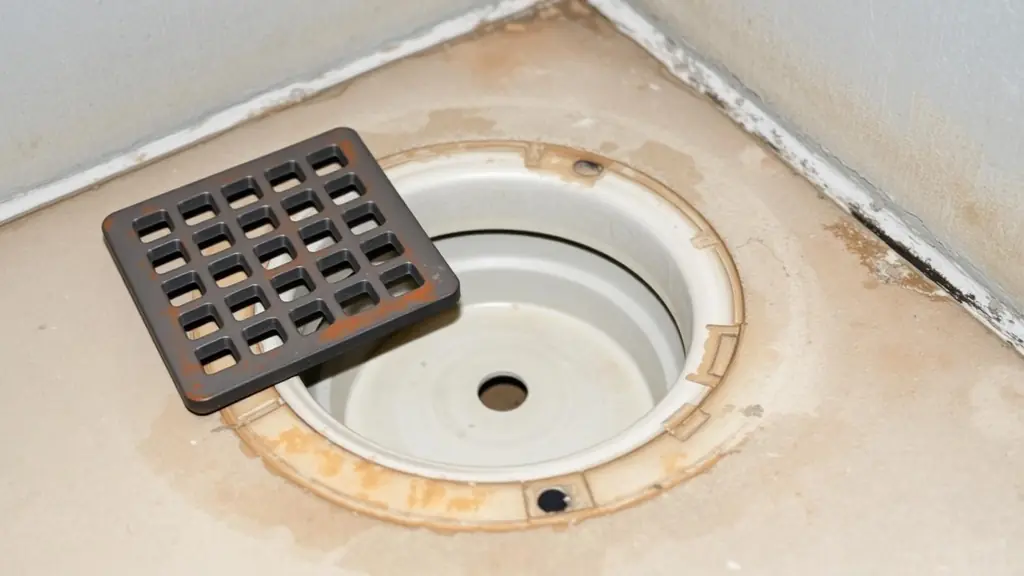
Quick answer: a sewage smell
Sewer gas is entering your living space because a barrier failed. The three usual culprits are a dried-out P-trap in an unused drain, a failed toilet wax ring, and a blocked or improperly terminated vent stack. Pour two cups of water into every unused drain first — that fixes it about half the time.
Urgent — act now
Sewer gas contains hydrogen sulfide and methane. Low concentrations are a nuisance; high concentrations are toxic and explosive. A strong, persistent sewage smell needs same-day action.
Sewage smell safety warning: when to leave the area
If the sewage smell is strong enough to cause headache, nausea, dizziness or eye irritation, open windows, get everyone out, and call a plumber immediately. Hydrogen sulfide deadens your sense of smell at higher concentrations — the smell fading is a danger sign, not an all-clear. If you also see raw sewage backing up into a tub or floor drain, treat it as a biohazard: keep children and pets away and do not use any plumbing until it is cleared. Methane in sewer gas is flammable; do not light flames in an area with a strong sewer odor.
Every drain in your house has a U-shaped trap that holds a plug of water between you and the sewer. Every drain system also has a vent stack running through the roof that lets air in so the water plug is not siphoned out. Sewage smell inside means one of those two things failed.
This is not a smell to live with. Hydrogen sulfide has an OSHA permissible exposure limit of 20 ppm ceiling in workplaces and is immediately dangerous to life at 100 ppm. Household concentrations are usually far lower, but the smell is a defect signal that needs closing.
Most likely causes of a sewage smell, ranked
1. A dry P-trap in a rarely used drain
Most common — roughly half of all cases
Trap water evaporates in about 3–4 weeks of disuse, faster in dry or heated air. Guest bathrooms, basement floor drains, laundry standpipes, and rarely used showers are the usual suspects. Once the water is gone, the drain is an open pipe to the sewer main.
10-minute self-test: Walk the house and pour two cups of water down every drain you have not used in a month, including floor drains and the shower in the guest bath. Add a tablespoon of mineral oil on top of floor-drain water to slow evaporation. If the smell clears within an hour, you are done.
2. A failed toilet wax ring or loose closet flange
Very common — and usually smells worst near the bathroom floor
The wax ring seals the toilet base to the flange. When it compresses or the toilet rocks, gas escapes at floor level and water seeps into the subfloor. A rocking toilet is the tell. Left alone, the subfloor rots and the flange pulls loose from the drain pipe.
10-minute self-test: Straddle the toilet and try to rock it side to side. Any movement means the seal is broken. Look for discolored or lifting flooring around the base and press the subfloor at the base for softness.
3. A blocked or frozen vent stack
Common in cold climates and older homes
The vent stack on your roof balances pressure. Leaves, a bird nest, or a winter frost cap can block it. Then a flushing toilet creates suction that siphons water out of nearby traps, and you smell sewer gas throughout the house right after every flush. Codes require the vent to terminate above the roof and away from windows.
10-minute self-test: Flush a toilet and listen at nearby sinks and tubs for gurgling — that gurgle is air being pulled through a trap. Slow drains across multiple fixtures at once points to venting, not a clog. From the ground, look for a vent pipe on the roof and note any nest debris.
4. A cracked or disconnected drain line under the house
Less common, most expensive
Cast iron drain lines corrode from the inside and can develop channel rot in 50–70 years. ABS or PVC joints can separate from settlement or rodent damage. Under a slab, this smell rises through the slab and floor penetrations with no visible leak.
10-minute self-test: In a crawlspace or basement, run a flashlight along the drain lines while someone flushes upstairs. Look for wet spots, staining and rust flakes on cast iron. Wet, dark soil under a pipe is not condensation.
5. A failing sewer ejector pit, septic tank or backwater valve
Situational, common in basement-bathroom homes
Basement bathrooms below the sewer line use a sealed ejector pit with a vented lid and a check valve. A dried-out gasket or a cracked lid leaks gas into the basement. On septic systems, a tank that has not been pumped in 3–5 years or a saturated drain field pushes odor back up the vent and into the yard and house.
10-minute self-test: Sniff directly at the ejector pit lid and check that all bolts are present and tight. For septic, walk the drain field: soggy ground or unusually green grass over the field means the system is failing.
What it costs to fix a sewage smell
| Cause / repair | DIY cost | Professional cost |
|---|---|---|
| Refilling dry traps | $0 | n/a |
| Trap primer installation | $25–$80 | $200–$500 |
| Toilet wax ring replacement | $8–$20 | $150–$400 |
| Closet flange repair | $20–$60 | $300–$800 |
| Vent stack clearing | $0–$40 (hose) | $150–$400 |
| Ejector pit lid/gasket replacement | $40–$120 | $250–$600 |
| Camera inspection of drain lines | n/a | $250–$700 |
| Septic tank pumping | n/a | $300–$700 |
| Replacing a section of cast iron drain | n/a | $1,200–$5,000 |
| Full sewer line replacement | n/a | $4,000–$20,000 |
DIY fixes for a sewage smell
Water every trap in the house
Two cups per drain, monthly, including basement floor drains. Mineral oil on top of floor drains slows evaporation to months instead of weeks.
Reseat a rocking toilet
Shut the supply, drain the bowl, unbolt, replace the wax ring (or a wax-free rubber seal), reseat without rocking, and shim before tightening. Two hours, under $25.
Clear the roof vent — only if you can do it safely
Run a garden hose down the vent from the roof. If you are not confident on a roof, skip it. A plumber charges $150–$400 and does not fall off.
Check the ejector pit and tighten the lid
Replace a dried gasket, confirm the pit has its own vent, and make sure the check valve is not stuck open.
Clean the shower drain biofilm
A slimy black ring inside the drain can smell sulfurous. Pull the strainer, brush it out, and flush with hot water and enzyme cleaner — not bleach, which does not digest the biofilm.
Log when the smell appears
Only after flushing means venting. Worst at floor level in one bathroom means wax ring. Constant and everywhere means a broken line. Give this note to your plumber and cut their diagnostic time in half.
Where homeowners waste money on a sewage smell
- Air fresheners and plug-ins. You are masking a gas leak that also carries pathogens.
- Pouring bleach down drains repeatedly. It does not fix a dry trap or a broken seal, and mixing it with other cleaners produces chlorine gas.
- Chemical drain openers for a venting problem. There is no clog to dissolve, and the caustic sits in the pipe.
- Septic 'tank treatment' additives. University extension studies consistently find no benefit; regular pumping is what works.
When to call a licensed plumber about a sewage smell
Call a plumber the same day for a persistent strong sewage smell, sewage backing up into a fixture, or multiple fixtures draining slowly at once.
Ask for a smoke test or a camera inspection rather than exploratory demolition. A smoke test pressurizes the drain system with non-toxic smoke and reveals every leak in minutes.
If the smell followed a heavy rain and your basement floor drain backed up, the issue may be a municipal main surcharge. Ask about a backwater valve — a $2,000–$4,000 install that prevents a $30,000 sewage cleanup.
Why Is My House Smelling Like Sewage — questions homeowners ask
Is sewer gas in a house dangerous?
Yes, at sufficient concentration. Sewer gas is mostly methane, carbon dioxide and hydrogen sulfide. Hydrogen sulfide causes eye irritation and headache at low ppm and is immediately dangerous to life and health at 100 ppm per NIOSH. Methane is flammable. Household exposures are usually far below those levels, but the odor means an open path that must be sealed.
Why does my bathroom smell like sewage only after a shower?
Usually biofilm in the shower drain being warmed and stirred, or a partially clogged trap arm holding decaying material. Pull the strainer, brush the first six inches of pipe, and flush with an enzyme cleaner. If the smell arrives with a gurgle instead, the vent is restricted.
Can a dry P-trap really cause a whole-house smell?
Yes. A single open floor drain in a basement is a direct opening to the sewer main, and the stack effect pulls basement air upward through the house. Pouring two cups of water in it can eliminate the smell within an hour.
Why does the sewage smell come and go with the weather?
Falling barometric pressure and wind across the roof vent change the pressure balance in the drain system, pushing gas through weak seals. A smell that shows up on windy or stormy days points to a marginal trap seal or a vent termination problem rather than a broken pipe.
Problems related to a sewage smell
- Why Is My House Smelling Like Sewer in the Bathroom?Same part of the house — A sewer smell in one bathroom means the water seal between you and the drain system has failed.Smells & Odors Get it inspected
- Why Is My House Smelling Like Rotten Eggs?Same part of the house — Three sources produce a rotten-egg smell: mercaptan added to natural gas, hydrogen sulfide from sewer gas, and sulfate-reducing bacteria in a water heater.Smells & Odors Urgent — act now
- Why Is My House Smelling Musty?Often shows up alongside this problem. A musty smell is microbial volatile organic compounds — geosmin and 2-methylisoborneol — released by mold and bacteria digesting damp material.Smells & Odors Get it inspected
- Why Is My House Water Pressure Low?The first question is whether one fixture is weak or the whole house is weak.Plumbing, Drains & Sewer Get it inspected
- Why Is My House Infested With Flies?Often shows up alongside this problem. A true fly infestation means flies are reproducing on the property, not just wandering in.Pests & Wildlife Get it inspected
Sources used for a sewage smell
- NIOSH — Hydrogen sulfide IDLH documentation (100 ppm)
- OSHA — hydrogen sulfide exposure limits
- International Plumbing Code — trap seals and vent terminations
- US EPA — septic system maintenance guidance