
Why Is My House Smelling Like Rotten Eggs?
Reviewed 2026-07-30 · How we research
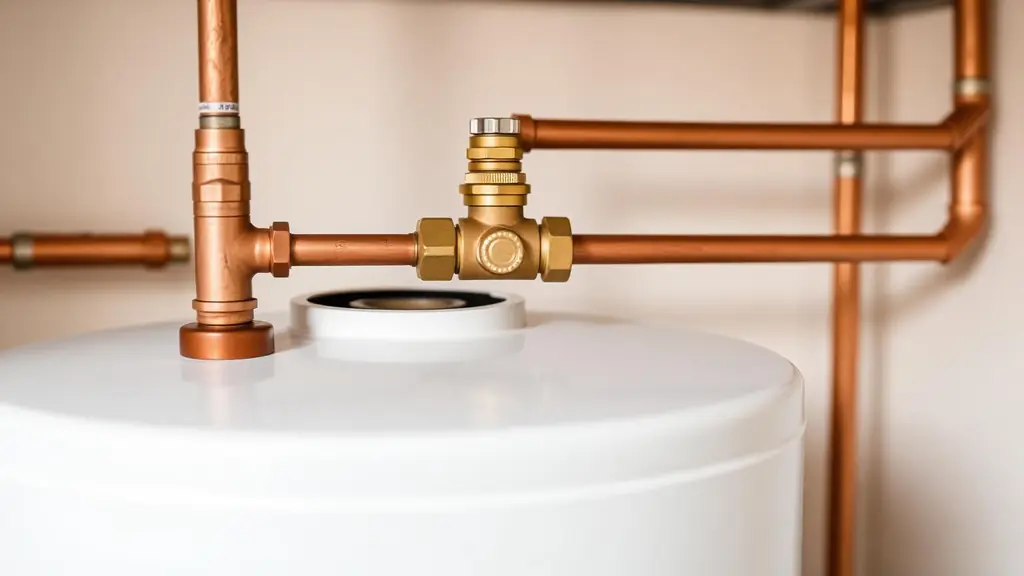
Quick answer: a rotten eggs smell
Three sources produce a rotten-egg smell: mercaptan added to natural gas, hydrogen sulfide from sewer gas, and sulfate-reducing bacteria in a water heater. Rule out gas first by leaving and calling the utility. If the smell only appears with hot water, it is the water heater anode rod.
Urgent — act now
Rotten eggs is the deliberate odorant added to natural gas. Until you have ruled out a fuel gas leak, treat it as an emergency.
Rotten-egg smell safety warning: rule out gas first
Rule out natural gas first. If the smell is strong, everywhere, or near a gas appliance or meter, leave the house without touching switches or phones, and call your gas utility's emergency line and 911 from outside. Only after the utility clears the house should you investigate water or drains. If anyone has a headache, nausea or confusion, call 911 — carbon monoxide is odorless and can accompany a malfunctioning gas appliance.
Hydrogen sulfide is the compound behind the rotten-egg smell, and your nose detects it at concentrations as low as 0.5 parts per billion. That extreme sensitivity is why a trivial amount is unmistakable — and why the gas industry chose a related compound as their warning odorant.
Because one of the three sources can explode, the diagnostic sequence is fixed: gas, then drains, then water.
Most likely causes of a rotten eggs smell, ranked
1. Natural gas or propane leak (mercaptan odorant)
Must be ruled out first, every time
Utilities odorize gas specifically so a leak smells like rotten eggs at roughly 1% concentration in air — well below the 5% lower explosive limit. A smell that is strongest near the range, dryer, water heater, furnace or meter, or that is present throughout the house, is a gas leak until a professional says otherwise.
10-minute self-test: Do not test. Leave and call the gas utility. Their emergency response is free. Everything else on this page waits until they clear the house.
2. Sulfate-reducing bacteria in the water heater
Most common non-emergency cause
The magnesium anode rod that protects your tank from corrosion also creates conditions for sulfate-reducing bacteria to produce hydrogen sulfide, especially in well water and in tanks kept below 120°F. The signature is unmistakable: the smell appears only when you run hot water. Swapping to an aluminum-zinc anode rod usually solves it permanently.
10-minute self-test: Run cold water into a glass, step outside, and smell it. Then do the same with hot water. Smell in hot only means the water heater. Smell in both means the water supply. Smell in neither means it is coming from the air, not the plumbing.
3. Sewer gas from a dry trap or failed seal
Very common
Sewer gas is largely hydrogen sulfide and methane. A dried P-trap in an unused drain, a failed toilet wax ring, or a blocked vent stack all let it in. The smell tends to be strongest near a specific drain or at floor level in one bathroom.
10-minute self-test: Pour two cups of water down every unused drain, including basement floor drains. Rock the toilet to check for wax ring failure. If the smell clears within an hour, it was a dry trap.
4. Sulfur in a private well
Common on well water, essentially never on municipal
Groundwater passing through shale or sandstone can carry dissolved hydrogen sulfide, along with iron and manganese. Then both hot and cold water smell. Concentrations above about 1 mg/L are noticeable; above 5 mg/L it is corrosive to plumbing and unpleasant to bathe in.
10-minute self-test: Run an outdoor spigot upstream of the water heater for two minutes and smell the water. Odor there means the well or the incoming supply. Order a water test — many county health departments do them cheaply.
5. A dead animal decomposing in a wall or duct
Occasional, unmistakable once it peaks
A rodent that dies in a wall cavity produces a mix of sulfur compounds and cadaverine. The smell usually builds over 3–5 days, peaks around day 10, and fades over 2–4 weeks depending on temperature and size.
10-minute self-test: Walk the house slowly with your nose 12 inches from the wall and locate the strongest point. Look for flies gathering at one spot on a wall or ceiling — they find it before you do.
What it costs to fix a rotten eggs smell
| Cause / repair | DIY cost | Professional cost |
|---|---|---|
| Gas utility leak check | n/a | $0 — free |
| Water heater anode rod (aluminum-zinc) | $30–$70 | $200–$450 |
| Water heater flush and shock chlorination | $10–$30 | $150–$350 |
| Refilling dry P-traps | $0 | n/a |
| Toilet wax ring replacement | $8–$20 | $150–$400 |
| Well water test | $25–$150 (mail-in kit) | $150–$400 |
| Whole-house carbon filter | $200–$600 | $800–$2,000 |
| Air injection oxidizing filter for sulfur well water | n/a | $1,500–$3,500 |
| Dead animal removal from wall | $0–$50 | $200–$600 |
DIY fixes for a rotten eggs smell
Swap the water heater anode rod
Shut off power or gas and the cold supply, drain a few gallons, and replace the magnesium rod with an aluminum-zinc rod. A $40 part and an impact wrench solve most hot-water sulfur smells for years.
Raise the water heater temperature to 140°F temporarily
Sulfate-reducing bacteria are killed at that temperature. Run every hot tap for several minutes to flush the lines, then return the setting to 120°F. Warning: 140°F water scalds in about 5 seconds, so restore the setting before normal use and consider anti-scald valves if you have children.
Water every trap monthly
Two cups per unused drain, plus mineral oil in floor drains. Costs nothing and prevents the most common sewer-gas complaint.
Shock chlorinate a well
For a sulfur-smelling well, standard shock chlorination often knocks the bacteria back for months. Follow your county health department procedure; do not improvise concentrations.
Locate a dead animal with flies, not guesswork
Blow flies cluster within a foot of the carcass. Cut a small drywall access hole at that point — it is a $20 patch versus weeks of smell.
Install a low-level CO alarm anyway
If a gas appliance is producing sulfur smells or yellow flames, it may also be producing CO. Put a listed alarm outside every sleeping area.
Where homeowners waste money on a rotten eggs smell
- A whole-house carbon filter for high-sulfur well water. It saturates quickly and becomes a smell source itself. Oxidize first, then filter.
- Replacing an entire water heater for a smell that a $40 anode rod fixes.
- Air fresheners while a gas leak is unresolved.
- Odor 'bombs' for a dead animal in a wall. Remove the carcass; nothing else works.
When to call a gas utility, plumber or water treatment specialist about a rotten eggs smell
Gas utility first, always, for a strong or widespread rotten-egg smell. Free, fast, and the only safe first step.
Call a plumber if the smell tracks with the hot water and replacing the anode rod does not fix it — the dip tube or a stagnant recirculation loop may be involved.
Call a water treatment specialist if a well test shows hydrogen sulfide above 1 mg/L. An air-injection oxidizing filter handles it; a plain carbon filter will saturate and start smelling worse within months.
Why Is My House Smelling Like Rotten Eggs — questions homeowners ask
Is a rotten egg smell always a gas leak?
No, but you must treat it as one until ruled out. The other two common sources are sewer gas and sulfate-reducing bacteria in a water heater. Because a gas leak can be catastrophic and the other two cannot, sequence matters: leave, call the utility, then investigate.
Why does only my hot water smell like rotten eggs?
Sulfate-reducing bacteria in the tank react with the magnesium anode rod to produce hydrogen sulfide. It is a water heater problem, not a supply problem. Replace the magnesium rod with an aluminum-zinc rod and flush the tank. Keeping the tank at 120°F rather than lower also discourages the bacteria.
Is hydrogen sulfide in water dangerous to drink?
At the concentrations that produce a noticeable smell, hydrogen sulfide in drinking water is an aesthetic problem rather than a health hazard — the EPA classifies it as a secondary contaminant. It does corrode plumbing and can indicate bacterial activity, so treat it. High airborne concentrations in confined spaces are a genuine toxic hazard.
How long does a dead animal smell last in a wall?
A mouse typically peaks around 4–10 days and fades over 2–3 weeks. A rat or squirrel can smell for 4–6 weeks. Warm weather accelerates and intensifies it. Removal is the only real fix; opening a small access hole beats waiting it out.
Problems related to a rotten eggs smell
- Why Is My House Smelling Like Gas?Often shows up alongside this problem. Natural gas and propane are odorless; utilities add mercaptan so it smells like rotten eggs or sulfur.Smells & Odors Urgent — act now
- Why Is My House Smelling Like Sewage?Same part of the house — Sewer gas is entering your living space because a barrier failed.Smells & Odors Urgent — act now
- Why Is My House Water Pressure Low?The first question is whether one fixture is weak or the whole house is weak.Plumbing, Drains & Sewer Get it inspected
- Why Is My House Infested With Flies?A true fly infestation means flies are reproducing on the property, not just wandering in.Pests & Wildlife Get it inspected
Sources used for a rotten eggs smell
- US EPA — secondary drinking water standards (hydrogen sulfide)
- NIOSH — hydrogen sulfide exposure and IDLH values
- PHMSA — natural gas odorization requirements
- Water Systems Council — hydrogen sulfide in private wells