
Why Is My House Alarm Beeping Every 30 Seconds?
Reviewed 2026-08-01 · How we research
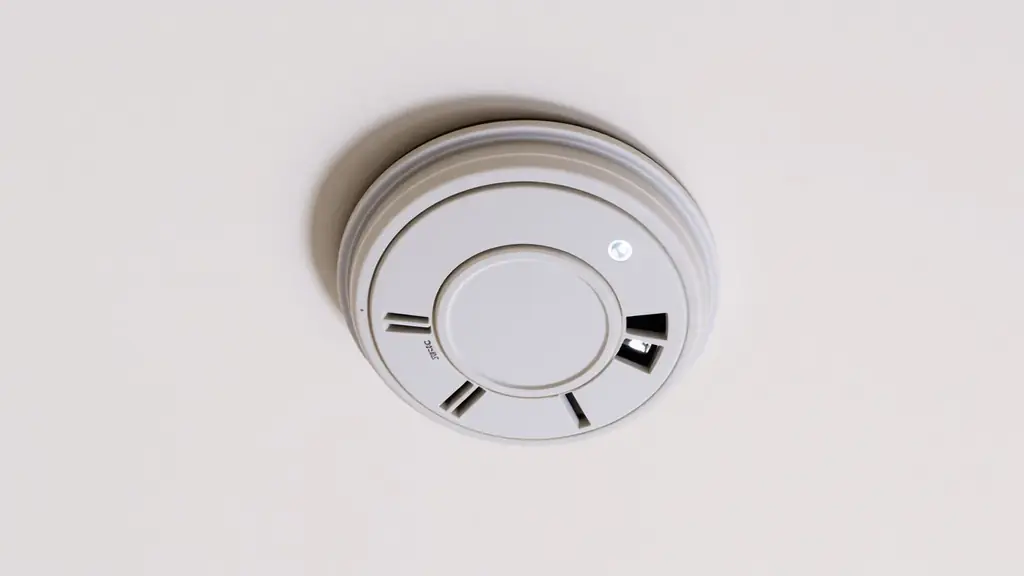
⚠️ What to do first when a house alarm keeps beeping
If the device is producing an active smoke or carbon monoxide alarm pattern — not a single periodic chirp, but a loud repeating alarm sequence — stop troubleshooting immediately, get everyone out of the house, and call 911. If anyone has symptoms of CO exposure such as headache, dizziness, nausea or confusion, get outside into fresh air and seek medical attention right away. Never disable an alarm to stop the noise and leave the home unprotected; identify the cause and replace or fix it promptly instead.
Quick answer: alarm beeping every 30 seconds
A repeating chirp roughly every 30 seconds is a maintenance signal, but what it specifically means — low battery, end of device life, a fault, or an error code — varies by manufacturer and model. Find the exact make and model on the back of the unit and check its manual or LED pattern before assuming it's just the battery.
Urgent — act now
Treat any active alarm sequence as an emergency until proven otherwise. A recurring periodic chirp is usually a maintenance signal, but exactly what it means depends entirely on your specific alarm's make and model — don't guess.
Not every chirp means 'change the battery.' Smoke alarms, carbon monoxide alarms, and combination units from different manufacturers use different chirp patterns, LED colors and blink counts to mean different things — low battery, end-of-service-life, a sensor fault, or a specific error condition. The only reliable way to know what your alarm is telling you is to identify the exact device and check its own documentation.
The first job, then, is identification: which alarm is chirping (you may have several types in the house — smoke, CO, or combination), what brand and model it is, and whether the chirp is a single periodic beep or an actual alarm sequence. That distinction changes everything about what to do next.
Warning signs of alarm beeping every 30 seconds
- A single chirp repeating on a fixed interval, commonly around 30 or 60 seconds
- A different chirp pattern, or a specific LED blink count, that doesn't match a simple low-battery signal
- Chirping that continues after a battery replacement
- Chirping only during humid weather, cooking, or showers nearby
- A hardwired alarm chirping after a power outage or breaker trip
- An actual loud alarm sequence rather than a periodic single chirp — this is not a maintenance signal
Most likely causes of alarm beeping every 30 seconds, ranked
1. Low battery (backup or primary, depending on the unit)
Most common cause of a periodic chirp
Battery-powered and hardwired-with-battery-backup alarms chirp on a set interval as the battery nears depletion, prompting a replacement well before it's too weak to power the alarm at all. The exact interval and confirmation LED pattern differ by manufacturer, so check the model's manual to confirm the pattern matches a low-battery signal specifically.
10-minute self-test: Replace the battery with a fresh one of the exact type specified on the unit's label, then check whether the chirping stops within a few minutes.
2. End of device service life
Very common in alarms more than 7–10 years old
Every smoke and CO alarm has a manufacture date printed on the back and a defined service life after which the sensor itself is no longer considered reliable, regardless of a fresh battery. Many models specifically signal end-of-life with a distinct chirp pattern that a new battery will not resolve.
10-minute self-test: Find the manufacture date on the back of the unit and compare it to the service life listed in its manual; if the unit is at or past that age, plan to replace the entire alarm, not just the battery.
3. Device fault or error condition
Common, and easy to mistake for a simple battery issue
Many modern smoke and CO alarms have a distinct chirp-and-LED pattern reserved specifically for a sensor fault or malfunction, separate from the low-battery and end-of-life patterns. This means the alarm itself has detected it can no longer reliably monitor for smoke or CO.
10-minute self-test: Count the chirps and observe the LED color and blink pattern, then check that exact pattern against the model's manual to see whether it's flagged as a fault code rather than a battery signal.
This cause is not a DIY repair — it needs a electrician or alarm professional where professional service is actually needed.
4. Dust, insect, or debris contamination in the sensor chamber
Common, especially in kitchens, garages and rooms with dust
Dust buildup or a small insect inside the sensor chamber can trigger a fault signal or nuisance chirping on some models, since the sensor interprets the obstruction as an abnormal reading.
10-minute self-test: Gently vacuum the alarm's vents with a soft brush attachment per the manufacturer's cleaning instructions, then observe whether the chirping stops.
5. Humidity or steam exposure
Common near bathrooms and kitchens
High humidity or direct steam from a nearby shower or stove can cause some ionization and photoelectric smoke sensors to false-trigger or chirp, particularly in alarms mounted too close to a bathroom or kitchen.
10-minute self-test: Note whether chirping correlates with showers or cooking; if so, the alarm may simply be mounted too close to a steam or humidity source for its sensor type.
6. Loose battery drawer or battery pigtail connector
Common, particularly after a recent battery change
A battery that isn't seated fully, a battery drawer that doesn't close completely, or a loose pigtail connector on a hardwired unit's backup battery can cause an intermittent power connection that the alarm interprets as a low-battery condition.
10-minute self-test: Remove the battery, inspect the contacts and drawer for corrosion or looseness, reseat firmly, and confirm the drawer clicks fully closed.
7. Interconnected alarm signaling from a different unit
Common in homes with hardwired interconnected alarms
Interconnected smoke and CO alarms are wired so that one unit's low-battery, fault or alarm condition can be relayed and displayed on every unit in the system, meaning the alarm chirping in your bedroom might actually be reporting a problem with a different unit elsewhere in the house.
10-minute self-test: Check every interconnected alarm in the house for one with a distinctly lit or blinking LED, which identifies the actual unit with the problem.
8. Loss of AC power on a hardwired unit
Common after an outage or a tripped breaker
Hardwired alarms typically chirp to indicate they've lost their primary AC power and switched to backup battery power, which can happen after a power outage, a tripped breaker, or an electrician disconnecting the circuit during other work.
10-minute self-test: Check the breaker that feeds the smoke alarm circuit and confirm it hasn't tripped; also confirm power hasn't been out elsewhere in the house.
Your 10-minute check list for alarm beeping every 30 seconds
- Identify exactly which alarm is chirping if there are multiple units in the house
- Find the manufacturer, model number, and manufacture date on the back of the unit
- Count the chirps and note the LED color and blink pattern
- Check that exact pattern against the specific model's manual online or via the manufacturer's support line
- Replace the battery with the exact type specified and confirm whether chirping stops
- Check other interconnected alarms in the house for one flagged with a distinct signal
- Confirm the alarm circuit breaker hasn't tripped, for hardwired units
What it costs to fix alarm beeping every 30 seconds
| Cause / repair | DIY cost | Professional cost |
|---|---|---|
| Replace the battery | $3–$15 | n/a |
| Clean sensor chamber | $0 | n/a |
| Replace an end-of-life smoke or CO alarm | $15–$60 per unit | $75–$200 per unit installed |
| Replace a hardwired interconnected alarm | $25–$70 per unit | $100–$250 per unit installed |
| Electrician troubleshooting for a hardwired circuit fault | n/a | $150–$400 |
| Whole-house alarm system upgrade | n/a | $500–$2,000+ |
See the full cost breakdown for this repair →
DIY fixes for alarm beeping every 30 seconds
Identify the device before doing anything else
Note the exact brand, model number and manufacture date from the back of the unit; nearly every next step depends on knowing this.
Replace the battery correctly
Use the exact battery type specified on the label, seat it fully, and confirm the drawer or cover clicks completely closed before testing.
Check the manufacturer's manual for the exact chirp meaning
Search the specific model number's manual (most manufacturers publish these online) to confirm whether your chirp pattern indicates low battery, end of life, or a fault code.
Clean the sensor chamber gently
Use a vacuum with a soft brush attachment on the vents per the manufacturer's instructions to remove dust or insects that can trigger nuisance chirping.
Replace the entire unit if it's at or past end of life
If the manufacture date shows the unit has reached its rated service life, replace the whole alarm rather than continuing to service the battery.
Mistakes to avoid with alarm beeping every 30 seconds
- Disabling, muting, or removing the battery from an alarm to stop the noise without replacing or fixing it
- Assuming every chirp is a low battery without checking the model's actual chirp-code meaning
- Ignoring a chirp that continues after a fresh battery, which usually points to end of life or a fault
- Leaving a hardwired alarm's power disconnected after other electrical work without confirming it was restored
Where homeowners waste money on alarm beeping every 30 seconds
- Repeatedly buying batteries for a unit that's actually past its end-of-life date and needs full replacement
- Calling an electrician before doing the basic identification steps — model number, manufacture date, chirp pattern — that homeowners can do themselves in a few minutes
When to call a electrician or alarm professional where professional service is actually needed about alarm beeping every 30 seconds
Have an electrician check hardwired interconnected alarm wiring if chirping recurs across multiple units or after any electrical panel work, since a wiring fault can mimic individual unit problems.
When replacing alarms, replace all interconnected units at the same time if they're near the same age, since one aging unit often means the others are close behind it.
How to prevent alarm beeping every 30 seconds coming back
- Replace smoke and CO alarm batteries on a fixed schedule per NFPA guidance, not just when they chirp
- Track each alarm's manufacture date and replace units before they reach the end of their rated service life
- Vacuum alarm vents periodically to prevent dust-related nuisance chirping
- Test every alarm monthly using its test button, and test interconnection between units if applicable
Why Is My House Alarm Beeping Every 30 Seconds — questions homeowners ask
Does a chirp every 30 seconds always mean the battery is low?
No. A recurring roughly-30-second chirp can mean low battery, end of device life, a fault, or an error condition depending on the specific manufacturer and model — check the unit's own manual rather than assuming it's the battery.
Why does my smoke alarm keep chirping after I changed the battery?
This usually points to end-of-life, a sensor fault, a loose battery drawer connection, or — in interconnected systems — a different unit elsewhere in the house reporting the problem, so check the model's manual and the other alarms in the house.
How do I know if my alarm is having a real emergency versus just chirping?
An active smoke or CO alarm produces a loud, repeating alarm sequence, not a single periodic chirp. If you're unsure which you're hearing, treat it as an emergency, get everyone out, and call 911 rather than trying to diagnose it in place.
How long do smoke and CO alarms actually last?
Every alarm has a defined service life and a manufacture date printed on the back; check the specific model's manual for its rated life, and replace the entire unit once it's reached that age even if it seems to be working.
Can I just remove the battery to stop the chirping?
No. Removing the battery or otherwise disabling an alarm to stop the noise leaves the home unprotected from fire or CO. Identify the cause and fix or replace the unit instead.
Why is only one alarm chirping when I have several in the house?
In an interconnected system, one unit's low-battery, fault, or alarm condition can be relayed and displayed on other units, so the chirping alarm you're hearing may actually be reporting a problem with a different unit — check every alarm for a distinctly lit LED.
Should I call an electrician for a chirping alarm?
Usually not for a simple low-battery chirp, which you can resolve yourself. Call an electrician if the chirping is tied to a hardwired circuit fault, recurs across multiple interconnected units, or persists after you've ruled out battery and end-of-life causes.
Problems related to alarm beeping every 30 seconds
- Why Is My House Getting a Burning Electrical Smell?A burning electrical smell is caused by overheating insulation, an overloaded circuit, or an arcing connection reaching temperatures high enough to scorch plastic.Electrical, Lighting & Power Urgent — act now
- Why Is My House Having a Breaker That Keeps Tripping?Your breaker keeps tripping because the circuit is drawing more current than its rating, or a short/ground fault is pulling current outside the wire.Electrical, Lighting & Power Get it inspected
- Why Is My House Having Warm Electrical Outlets?Warm outlets are almost always caused by a loose wire connection or an overloaded circuit generating resistive heat.Electrical, Lighting & Power Urgent — act now
- Why Is My House Having Flickering Lights?Most flickering is an LED bulb fighting an incompatible dimmer or a loose bulb — annoying, not dangerous.Electrical, Lighting & Power Urgent — act now
Sources used for alarm beeping every 30 seconds
- NFPA — Smoke Alarm Safety
- CPSC — Carbon Monoxide Information Center
- U.S. Fire Administration — Smoke Alarm Guidance