
Why Is My House So Humid With the AC On?
Reviewed 2026-08-01 · How we research
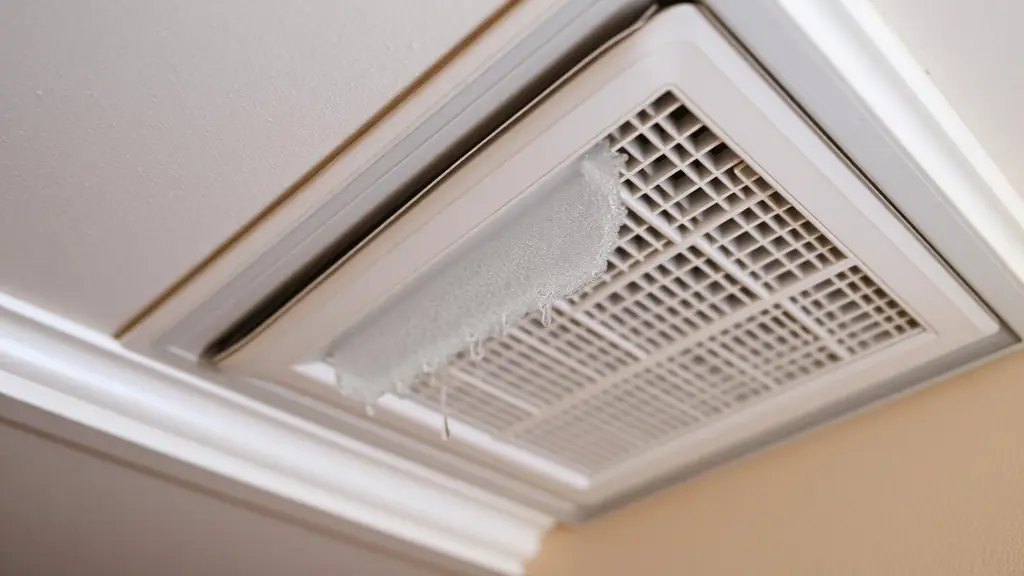
Quick answer: a house that feels so humid with the AC on
If your AC keeps the temperature comfortable but the air still feels damp, the system is very likely short-cycling — running in bursts too brief to pull humidity out of the air — or its fan setting, drainage or airflow is undermining its dehumidification even while it cools normally.
Get it inspected
A system that cools without dehumidifying isn't dangerous, but it wastes energy fighting the wrong problem and lets humidity climb toward mold-supporting levels. Address it within a few weeks of noticing the pattern.
Air conditioners lower humidity as a side effect of cooling: warm humid air passes over a cold evaporator coil, water condenses out of it, and that water drains away. Anything that shortens contact time with the coil, or lets condensed water re-evaporate back into the airstream, lets the system cool the room while leaving the air feeling clammy.
This is a different problem from chronic whole-house humidity caused by infiltration or ventilation gaps — here the equipment itself is the bottleneck. Work through the causes below in order, since oversizing and fan settings explain the large majority of 'AC runs fine but house feels humid' complaints.
Warning signs of a house that feels so humid with the AC on
- The thermostat reads the set temperature but the air still feels clammy or sticky
- AC cycles on and off in short bursts, often under 10 minutes each
- Humidity climbs noticeably within an hour of the system shutting off
- The indoor fan runs continuously even when the compressor isn't cooling
- Musty smell from vents shortly after the system stops
Most likely causes of a house that feels so humid with the AC on, ranked
1. An oversized air conditioner short-cycling
Most common — the leading cause of this exact symptom
An AC sized larger than the space needs cools the air to the thermostat's setpoint very quickly, then shuts off. But dehumidification takes sustained runtime — moisture only condenses steadily once the coil has been cold for several minutes. A system that satisfies the thermostat in 5-6 minutes barely dehumidifies before shutting off, even though the room reads the right temperature. This is called short-cycling, and it's the single most common reason a house feels cold but humid.
10-minute self-test: Time several cooling cycles with a stopwatch on a warm day. Cycles consistently under 8-10 minutes, especially in a system installed within the last few years, strongly suggest oversizing.
This cause is not a DIY repair — it needs a hvac technician.
2. The thermostat fan set to 'ON' instead of 'AUTO'
Very common and easy to fix
When the fan is set to run continuously, it keeps blowing air across the evaporator coil even after the compressor shuts off. Condensed water sitting on the coil re-evaporates directly back into the airstream and gets blown right back into the house, undoing the dehumidification the cycle just achieved.
10-minute self-test: Check the thermostat's fan setting. If it's set to 'ON', switch it to 'AUTO' and see whether indoor humidity readings improve over the next day or two.
3. Airflow set too high for the coil to remove moisture
Common after a filter, blower or duct change
If air moves across the evaporator coil too quickly — from an oversized blower setting, a recently 'upgraded' higher-CFM fan, or a technician setting airflow for maximum cooling rather than balanced performance — it doesn't stay in contact with the coil long enough to shed much moisture, even though the room cools fine.
10-minute self-test: Note when the high-airflow condition started, such as after a filter change to a lower-restriction type or after HVAC service. If humidity worsened right after, ask the technician who last serviced the system about airflow (CFM) settings.
This cause is not a DIY repair — it needs a hvac technician.
4. A dirty evaporator coil or clogged filter reducing dehumidification
Common, especially with infrequent filter changes
A layer of dust on the coil or a clogged filter restricts airflow and insulates the coil surface, both of which reduce how effectively moisture condenses and drains. The system may still cool acceptably while dehumidifying poorly, since cooling capacity degrades more gradually than dehumidification capacity.
10-minute self-test: Check the filter against a bright light — if you can't see light through it, replace it. If humidity doesn't improve within a few days, the coil itself likely needs a professional cleaning.
5. A clogged or improperly sloped condensate drain
Less common as a humidity cause, more often noticed as a leak
If the condensate line is clogged, cracked, or doesn't slope properly, condensed water backs up instead of draining away. Some systems respond by triggering a safety switch that shuts the whole unit down; others allow water to sit and partially re-evaporate into the airstream, undermining dehumidification even while cooling continues.
10-minute self-test: Check the condensate drain line and pan (usually near the indoor air handler) for standing water, algae growth or a musty smell, and confirm the drain line isn't clogged.
This cause is not a DIY repair — it needs a hvac technician.
6. Leaky return ducts pulling in humid attic, crawlspace or outdoor air
Common in homes with ducts outside conditioned space
ENERGY STAR estimates typical duct systems lose 20-30% of moved air to leaks. A leaky return duct running through an attic or crawlspace can pull in humid unconditioned air mid-cycle, adding moisture faster than the coil can remove it, so the space feels humid despite the AC running.
10-minute self-test: With the system running, feel along accessible duct joints and boots for air movement or visible dust staining, particularly on return-side ducts in an attic, crawlspace or garage.
This cause is not a DIY repair — it needs a hvac technician.
7. Outdoor-air infiltration adding moisture faster than the AC removes it
Common in older or leaky homes
Gaps around doors, windows and other envelope penetrations let humid outdoor air continuously enter the house. In humid weather, the AC may be dehumidifying normally but simply can't keep pace with the rate new humid air is entering the building.
10-minute self-test: On a humid day, check window and door frames and the attic hatch for air movement with a tissue or incense stick. Noticeable movement at multiple points suggests infiltration is outpacing the AC's dehumidification.
This cause is not a DIY repair — it needs a hvac technician.
8. Low refrigerant charge reducing the coil's dehumidifying ability
Less common but significant when present
A system low on refrigerant, often from a slow leak, cools less effectively and runs at a warmer coil temperature, which condenses less moisture per hour even if the compressor runs longer trying to hit the thermostat setpoint.
10-minute self-test: Check the supply-air temperature at a vent versus return-air temperature. A split smaller than about 14°F, especially paired with ice on the outdoor line, suggests low charge and needs a licensed technician to confirm with gauges.
This cause is not a DIY repair — it needs a hvac technician.
Your 10-minute check list for a house that feels so humid with the AC on
- Time several AC cooling cycles on a warm day
- Confirm the thermostat fan setting is 'AUTO', not 'ON'
- Check the filter for visible clogging
- Look at the condensate line and pan for standing water or algae
- Feel accessible ducts for leaks at joints and boots
What it costs to fix a house that feels so humid with the AC on
| Cause / repair | DIY cost | Professional cost |
|---|---|---|
| Filter replacement | $10–$30 | n/a |
| Thermostat fan setting correction | $0 | n/a |
| Professional coil cleaning | n/a | $150–$450 |
| Condensate drain clearing | $0–$40 | $100–$300 |
| Duct sealing | n/a | $450–$1,800 |
| Refrigerant leak repair and recharge | n/a | $300–$1,500 |
| AC resizing or replacement for chronic short-cycling | n/a | $4,000–$9,000 |
See the full cost breakdown for this repair →
DIY fixes for a house that feels so humid with the AC on
Switch the thermostat fan to AUTO
This is free and immediate — it stops the blower from re-evaporating condensed water off the coil after each cooling cycle.
Replace the filter and check for airflow restriction
A clean, correctly rated filter (MERV 8-13 for most residential systems) restores airflow across the coil without over-restricting it.
Clear a visibly clogged condensate line
A wet/dry shop vacuum at the exterior drain termination can clear a simple algae clog; a persistent clog or standing water calls for a technician.
Add a portable dehumidifier while diagnosing the AC
This buys comfort while you schedule an HVAC inspection, but treat it as temporary — it doesn't fix the underlying equipment issue.
Mistakes to avoid with a house that feels so humid with the AC on
- Lowering the thermostat further to 'dry out' the house — it makes short-cycling worse, not better
- Running the fan on 'ON' continuously for better air mixing — it actively undoes dehumidification
- Ignoring short cycle times because the room feels cool — cooling and dehumidifying are not the same measurement
Where homeowners waste money on a house that feels so humid with the AC on
- Replacing the whole AC before confirming short-cycling with actual runtime data — a control or airflow adjustment sometimes fixes it for far less
- A bigger, higher-tonnage replacement unit — that worsens short-cycling and humidity control
- Running the fan continuously for 'better circulation' when it's actively working against dehumidification
When to call a hvac technician about a house that feels so humid with the AC on
Ask the technician to measure actual cycle runtime and latent (moisture) removal capacity, not just the temperature split, since a unit can pass a cooling check while dehumidifying poorly.
If oversizing is suspected, ask whether a Manual J load calculation was ever done for the house — many replacement systems are sized off the old unit's tonnage rather than an actual calculation.
A dehumidification-focused thermostat or a variable-speed system that runs longer at lower capacity often solves short-cycling without a full system replacement.
What a hvac technician actually does on this job →
How to prevent a house that feels so humid with the AC on coming back
- Have load calculations (Manual J) done before replacing an AC, rather than matching the old unit's size
- Change filters every 60-90 days, monthly with pets
- Schedule annual HVAC maintenance including coil cleaning and drain-line inspection
- Keep the thermostat fan set to AUTO except when actively mixing air for a specific reason
Why Is My House So Humid With the AC On — questions homeowners ask
Can an AC be too powerful for the house?
Yes. An oversized AC cools the space quickly and shuts off before it has run long enough to remove much moisture, called short-cycling — this is one of the most common reasons a house feels cold but humid.
Should my thermostat fan be set to ON or AUTO?
AUTO, in almost all cases. Running the fan continuously blows moisture that condensed on the coil back into the house after each cooling cycle ends, undoing the dehumidification.
Why does my house feel muggy right after the AC shuts off?
If cycles are short, the coil hasn't run long enough to remove much moisture before shutting off, so humidity climbs back quickly once cooling stops — a classic short-cycling pattern.
Does a dirty air filter really affect humidity, not just cooling?
Yes. Restricted airflow from a clogged filter reduces how effectively the coil condenses moisture, so dehumidification often degrades before cooling capacity noticeably drops.
Will a bigger AC fix my humidity problem?
No — a larger unit typically makes short-cycling and humidity control worse, since it satisfies the thermostat even faster with even less runtime.
Can duct leaks cause AC humidity problems even if the equipment is fine?
Yes. A leaky return duct running through an attic or crawlspace can pull in humid unconditioned air mid-cycle, adding moisture faster than a properly working AC can remove it.
How long should an AC run per cooling cycle?
There's no single number, but cycles consistently shorter than 8-10 minutes in humid weather, especially on a newer system, usually point to oversizing and short-cycling.
Problems related to a house that feels so humid with the AC on
- Why Is My House Humidity So High?Often shows up alongside this problem. Chronically high whole-house humidity is almost always a combination of outdoor moisture entering the building, indoor moisture (showers, cooking, laundry) not being exhausted outside, and an air conditioner or dehumidifier that isn't removing enough water vapor.Moisture, Water & Mold Get it inspected
- Why Is My House So Humid All of a Sudden?Often shows up alongside this problem. A sudden jump in humidity, as opposed to a gradual buildup, points to something that changed recently: the AC stopped dehumidifying, a condensate drain backed up, a new plumbing or roof leak started, a window was left open during humid weather, or an exhaust fan failed.Moisture, Water & Mold Get it inspected
- Why Is My House Getting an AC That Runs Constantly?The same hvac technician handles this one. An AC that runs constantly without reaching the thermostat setpoint is usually low on refrigerant, has a dirty condenser or evaporator coil restricting heat exchange, or is undersized for the house.Heating, Cooling & Air Get it inspected
- Why Is My House Not Cooling Down?A house that won't cool down usually has more heat coming in — through the roof, walls, windows and leaky ducts — than the air conditioner can remove, rather than a broken unit.Heating, Cooling & Air Get it inspected
- Why Is My House AC Not Blowing Cold Air?Worth ruling out before it becomes urgent. Air blowing but not cold usually means the fan is set to ON instead of AUTO, the filter or coil is blocked and frozen, the outdoor condenser can't reject heat, or refrigerant has leaked out.Heating, Cooling & Air Urgent — act now
- Why Is My House Getting Sweating Air Ducts?The same hvac technician handles this one. Air ducts sweat when cold air inside the duct chills the metal or duct board surface below the surrounding air's dew point, and insufficient or damaged duct insulation is the most common reason that surface stays cold enough to condense.Moisture, Water & Mold Get it inspected
Sources used for a house that feels so humid with the AC on
- U.S. EPA — Indoor Air Quality: Moisture Control
- ENERGY STAR — Heating and Cooling Guide
- U.S. Department of Energy — Home Energy Assessments
- U.S. EPA — A Brief Guide to Mold, Moisture and Your Home
- U.S. Department of Energy — Dehumidifiers